



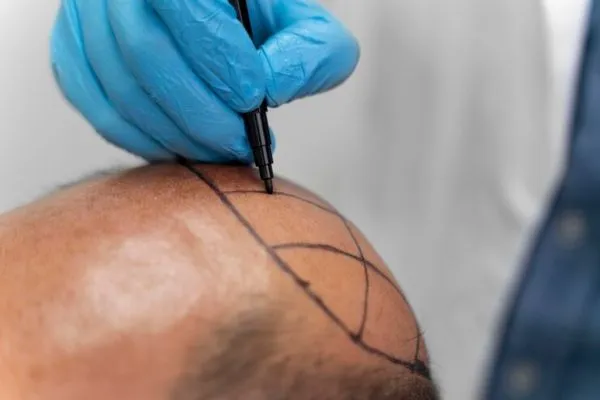
Additionally, the location of the clinic can influence costs significantly, with top-tier clinics in major cities often charging premium rates. Patients should also factor in pre-operative tests, medications, and aftercare, as these can add to the total hair transplant costs. It’s important to be aware of the complete picture before making a decision. Many people look into the 5000 grafts hair transplant cost Turkey, as clinics in Turkey offer competitive pricing with experienced professionals.
Comparing prices globally can highlight significant differences in cost and quality. Some clinics include accommodation, transportation, and consultation in their package, which can impact the final hair transplant cost. This makes destination-based procedures increasingly popular, especially when paired with medical tourism services. Evaluating each offer in detail is the key to getting the most value.
Are you ready to explore the world of hair transplant expenses and make an informed decision about your procedure? Let us help you navigate your options and select a clinic that provides outstanding care at a fair price. Take the first step towards a fuller head of hair with confidence, knowing you’ve considered every aspect of your investment.
Before considering hair transplant expenses and procedure

When considering hair transplant expenses, it’s important to look beyond just the upfront cost and understand the long-term financial commitment involved. Hair transplant price doesn’t just end with the surgery itself; post-procedure care, follow-up visits, and potential touch-up sessions can increase the overall investment. Some clinics offer hair transplant payment plans or other options to help patients manage the costs more easily, making the procedure accessible to a broader audience. These financial plans are designed to ease the burden and can be tailored to the patient’s specific financial situation.
While cheaper options might seem tempting, choosing an inexperienced surgeon or an unregulated clinic can lead to unsatisfactory results and even additional corrective procedures. These risks can significantly increase hair transplant fees in the long run, making the initial savings negligible. Investing in a skilled, reputable surgeon may be more expensive at first, but it significantly improves the chances of a natural-looking and long-lasting outcome.
How is the initial consultation like?

The first step in the hair transplant journey is the initial consultation with a qualified surgeon. This appointment is crucial, as it allows the surgeon to assess your level of hair loss, understand your goals, and determine the most suitable treatment plan for you. The surgeon will examine your scalp, discuss your medical history, and explain the different hair transplant techniques available.
The cost of the initial consultation can vary significantly, depending on the clinic and the surgeon’s expertise. In the UK, consultations typically range from £100 to £300. Some high-end clinics may charge even more for an in-depth assessment with a leading specialist. It’s important to note that not all consultations are complimentary—many clinics charge a fee, which is sometimes deducted from the total cost of the procedure if you decide to move forward with the surgery.
How is the hair transplant procedure?
The core component of hair transplant expenses is the cost of the surgery itself. This varies widely based on several key factors, including the method chosen, the complexity of the case, and the geographical location of the clinic. Hair transplant payments not only cover the surgery but also involve additional fees for aftercare and medications.
- The technique used (FUT or FUE).
- The number of grafts required.
- The experience and reputation of the surgeon.
- The location and prestige of the clinic.
On average, hair transplant cost in the UK fall between £4,000 and £15,000, but for more extensive procedures, prices can go even higher. Patients requiring 5000 grafts should consider the 5000 grafts hair transplant cost Turkey, which is often more affordable than in Western countries. Individuals with mild thinning may only need 1,000–2,000 grafts, while severe hair loss might demand 3,000–5,000 grafts, significantly increasing the cost.
FUT (Follicular Unit Transplantation)
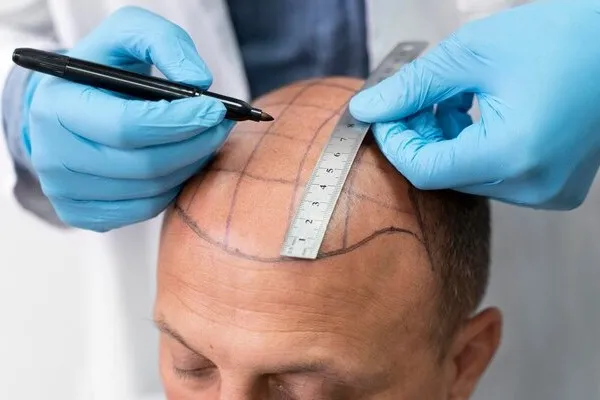
FUT, commonly known as strip surgery, is one of the more traditional hair restoration methods. This technique involves removing a strip of hair-bearing skin from the back of the scalp, which is then dissected into individual follicular units for transplantation. While effective, FUT does leave a linear scar, which may be a concern for some patients. This method tends to be more budget-friendly, with hair transplant fees ranging from £4,000 to £10,000. It’s often chosen by those who prioritise affordability over minimal scarring.
FUE (Follicular Unit Extraction)
FUE is a more advanced and minimally invasive hair transplant technique. It involves the individual extraction of hair follicles from the donor area and their direct transplantation into the recipient area. This method reduces scarring and offers a more natural-looking result, but it is also more time-consuming and requires a high level of surgical precision. The hair transplant cost in the UK for FUE usually ranges from £6,000 to £15,000, depending on graft quantity, clinic reputation, and surgeon credentials.
Are there any other hair transplant expenses to consider?
After surgery, patients are often prescribed medications to aid recovery, prevent infection, and promote hair growth. These may include:
- Antibiotics to prevent infection (cost: £20–£50)
- Pain relievers to manage post-surgical discomfort (cost: £10–£30)
- Anti-inflammatory drugs to reduce swelling (cost: £15–£40)
- Topical ointments and medicated shampoos to keep the scalp clean and promote healing (cost: £50–£200)
- Hair growth stimulants such as Minoxidil or Finasteride, which some patients continue using long-term to support hair regrowth (cost: £30–£100 per month).
How is the hair transplant post-operative care?

Once the hair transplant surgery is complete, post-operative care becomes a crucial aspect of the healing process. Patients should be prepared for additional hair transplant expenses that arise during the recovery period. These can include various medical needs. The hair transplant fees may vary depending on the complexity of the procedure, the individual’s healing process, and possible complications. Understanding what’s included and what’s not can help avoid surprises. Some of the key post-surgery costs include the following:
Follow-up appointments (may be included with the hair transplant expenses)
Regular follow-up consultations with the surgeon are essential to monitor healing and ensure the newly transplanted hair is growing as expected. The number of required visits depends on individual progress, but most patients have at least two to three follow-ups in the first six months. Some clinics include these appointments in the total surgery cost, while others charge separately, which can add £100 to £300 per visit.
Potential complications and revision procedures
While hair transplant procedures are generally safe, there is always a risk of complications. Some of the most common post-surgical issues include:
- Swelling and redness: Usually temporary, but may require extra consultations and medications.
- Infections: Though rare, infections may require additional antibiotic treatment.
- Shock loss: Some patients experience temporary hair shedding (shock loss) in the transplanted area, which might necessitate further treatment.
- Unsatisfactory results: In some cases, patients may require a revision procedure if the initial transplant does not provide the desired density or natural appearance. The hair transplant cost of a revision surgery can range from £2,000 to £6,000, depending on the extent of the correction needed.
The total cost of post-operative care can vary between £500 and £2,000, depending on the complexity of the healing process and any unforeseen complications.
What are the options for hair transplant expenses?
Considering the financial commitment involved, many clinics offer various financing solutions. These options are designed to make the process more accessible. Many UK clinics provide financing plans to ease the burden of hair transplant costs. This means patients don’t need to pay everything upfront. Exploring these choices can help individuals budget more effectively.
1. Payment plans
Many clinics offer interest-free or low-interest payment plans, allowing patients to spread the cost of their treatment over several months. Typical payment plans range from 6 to 24 months, depending on the clinic.
2. Personal loans
Patients may choose to take out a personal loan from a bank or credit provider to finance their procedure. These loans usually have fixed interest rates and repayment terms, with amounts ranging from £1,000 to £15,000, depending on the individual’s credit score and lender terms.
3. Medical financing
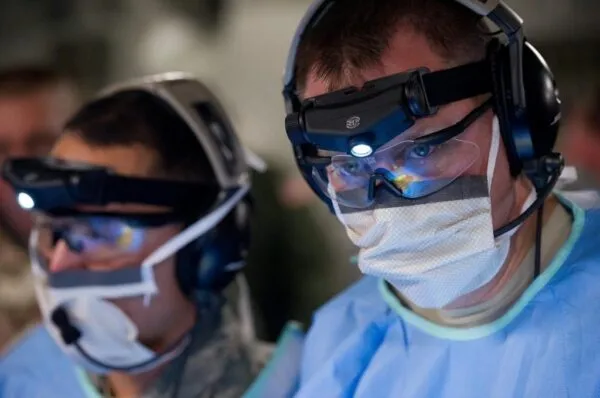
Some specialist lenders provide medical loans specifically for cosmetic procedures, including hair transplants. These loans often come with flexible repayment terms but may carry higher interest rates than traditional personal loans.
4. Credit card financing
Patients may opt to pay for their hair transplant using a credit card, especially if their card offers 0% interest on purchases for a promotional period. However, using a credit card for a large medical expense can lead to high interest charges if the balance is not paid off within the promotional period.
IMPORTANT: Before committing to any financing option, patients should carefully review the terms, interest rates, repayment schedules, and potential additional fees to ensure they choose the best solution for their budget.
Why some hair transplant expenses are higher than others?
Multiple factors can affect the overall cost of hair transplants in the UK. Understanding these elements can help patients make an informed decision about choosing a clinic and budgeting for their procedure.
1. Location of the clinic
Hair transplant clinics in major cities such as hair transplant clinics in London, Manchester, and Birmingham tend to charge a higher hair transplant price range due to increased demand, higher operational costs, and the prestige of the location. Clinics in smaller towns or rural areas may offer lower rates while still providing high-quality care.
2. Surgeon’s experience and reputation

Surgeons with extensive experience and a strong reputation often charge more. However, their expertise typically ensures more natural, lasting results. This can reduce the likelihood of needing further revisions. Paying more up front might mean fewer costs long-term.
3. Complexity of the procedure
Patients requiring a large number of grafts or having unique hair types (curly, thin, etc.) often face higher costs. Each graft usually ranges from £2 to £5, making procedures involving thousands of grafts quite expensive. Hair transplant cost is directly tied to the level of complexity.
4. Additional cosmetic and hair transplant expenses
Some patients choose to combine their hair transplant with other treatments in hair transplant or cosmetic clinics in the UK, such as:
- Scalp reduction surgery (to remove bald patches)
- PRP (Platelet-Rich Plasma) therapy (to stimulate hair growth)
- Eyebrow or beard transplants
Adding these procedures can significantly increase the average cost of a hair transplant.
5. Hair transplant fees for travel and accommodation
Patients coming from different regions should factor in extra hair transplant fees. These include travel, meals, and hotel stays. Some premium clinics offer packages covering these needs, especially for international clients. For example, a package might add £500 to £2,000 depending on the distance and length of stay.
Conclusion
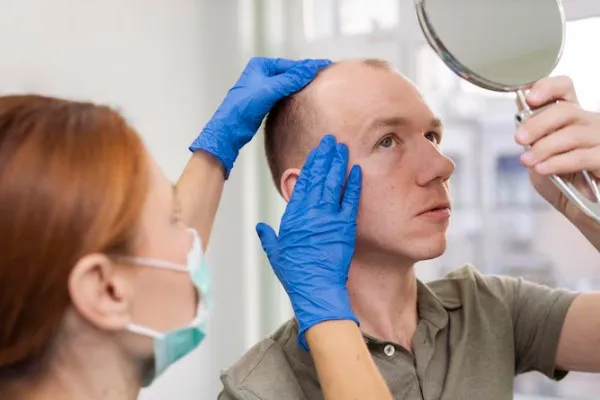
Hair transplant expenses can vary significantly depending on several key factors, making it essential to understand all related costs before committing. These expenses typically include the initial consultation, the surgical procedure, anaesthesia, post-operative medications, and any necessary follow-up treatments. Choosing a reputable clinic with experienced specialists is more important than simply opting for the cheapest price, as your results and safety depend on it.
You should also consider secondary but related costs, such as travel expenses if you’re choosing an international clinic or recovery-related products. Hair transplant fees may differ based on the technique used—FUE, FUT, or DHI—and the number of grafts needed to achieve your desired results. It’s advisable to compare multiple providers, evaluate patient reviews, and explore before-and-after galleries to assess the value offered.
Remember, a hair transplant is not just a cosmetic decision but a long-term investment in your self-esteem and appearance. That’s why balancing affordability with quality is vital when weighing your options. Some clinics offer flexible payment plans, making the procedure more accessible without compromising on care or safety.
If you’re interested in finding a trusted provider with transparent pricing and high success rates, don’t leave such an important decision to chance. Discover why so many patients choose Capilclinic for our hair restoration journey. Take the first step towards restoring your confidence today by scheduling a free consultation directly through our website.
At Capilclinic, we’re trusted by thousands of patients in the UK and Europe as a leading Hair Transplant Clinic in Turkey and Spain, known for our expert doctors, advanced facilities, natural hairline results, and affordable all-inclusive packages. Reach out to our team today to start your transformation.