



Hair slugging is a transformative technique designed primarily to infuse your hair with moisture, effectively combating dryness. Experts in hair care unanimously agree that this method is a highly effective way to shield your tresses from the damaging effects of dryness, which can lead to issues like dullness, frizz, and breakage.
While deep leave-in conditioners and masks can deliver similar benefits, hair slugging elevates the conditioning experience to a whole new level. Creating a protective barrier locks in hydration, allowing your hair to thrive. Let’s delve deeper into the details and benefits of this remarkable method.
What does hair slugging mean?
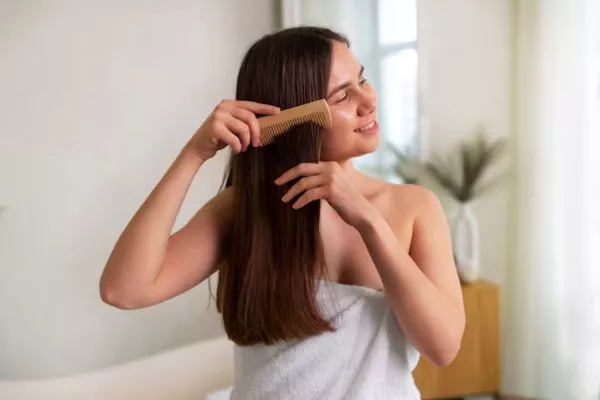
Hair slugging focuses on deeply moisturizing your hair for enhanced hydration. It involves applying a rich product, like oil or heavy cream, in a generous layer. This creates a protective barrier, which locks in moisture and prevents it from escaping. As a result, your strands stay hydrated and nourished.
The term “slugging” comes from a similar skincare method. In that practice, a thick layer of product locks in skin hydration and offers protection. Hair slugging can achieve softer, shinier hair. This technique also revitalizes your strands, leaving them healthier and more lively.
What effects does slugging have on hair?
Hair slugging has hydrating and nourishing effects on the hair, as it involves applying a heavily hydrating oil from root to end. In addition, it is followed by a hair mask on top of the oil, to seal in moisture while you sleep. This process helps in treating dry, brittle hair prone to breakage, making the strands extra-smooth and delivering intense nourishment without greasiness.
Who should try hair slugging?
Although hair slugging has several potential benefits for everyone, the best textures range from medium to thick. It is a fantastic option for dry, damaged, or dehydrated hair. So, it is beneficial for the following hair types and concerns:
- Dry hair: If your hair tends to feel parched, brittle, or lacking in natural oils, hair slugging can provide an intense surge of hydration. The thick, occlusive layer of the product helps seal moisture into the strands.
- Damaged hair: Those with chemically treated, heat-styled, or over-processed hair can use hair slugging to replenish moisture and strengthen the hair cuticle. This helps repair damage and restore softness.
- Colour-treated hair: Hair slugging’s heavy moisturizing effects are great for keeping colour-treated hair vibrant, glossy, and healthy-looking.It also prevents fading and dullness.
- Coily and curly hair: Coily and curly hairtextures are prone to dryness, so hair slugging is an excellent way to condition and maintain hydration in these hair types.
How to slug your hair?
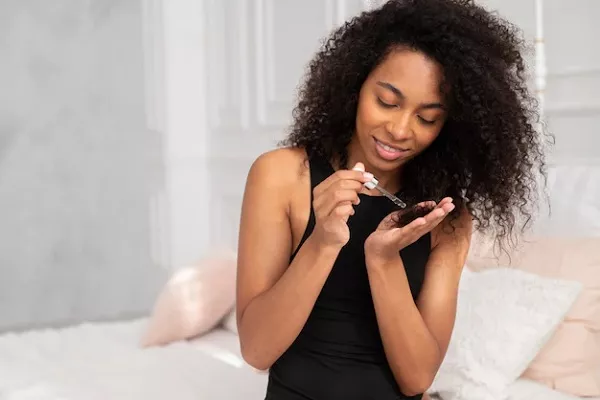
Hairstylists have deemed slugging one’s hair acceptable, so giving it a shot sounds like a good idea. Follow the detailed directions below to learn how to slug properly and successfully.
- Clean your scalp
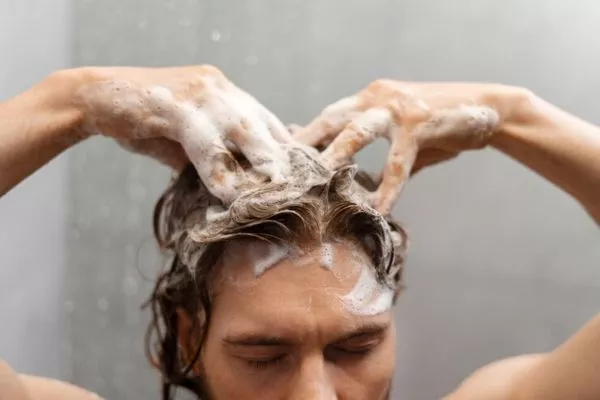
Many people wonder “Do you wash your hair after hair slugging?”. The answer is yes. First of all, begin your hair care routine by selecting a gentle clarifying shampoo, designed to cleanse your hair without stripping it of essential moisture. Apply the shampoo generously, massaging it into your scalp and strands to ensure a thorough wash.
This step is crucial for eliminating any buildup that may have accumulated around your hair follicles over time. For optimal results, consider using a product infused with apple cider vinegar. Apple cider vinegar is known for its natural ability to dissolve residue and restore scalp balance. It leaves your hair feeling refreshed and revitalized.
- Dry your hair
Before starting hair slugging, ensure your hair is at least 85 percent dry. This step is crucial, whether you air-dry your hair naturally or use a blow dryer for faster results.
Properly dried strands allow the slugging treatment to work more effectively. With minimal excess moisture, the products can penetrate deeply and nourish your hair better, maximizing hydration and overall benefits.
- Massage with oil
After gently towel-drying your hair, beauty experts suggest using a lightweight hair oil. This oil nourishes your strands without leaving them heavy or greasy.
Apply the oil and work it through your hair with your fingers. The gentle rubbing creates friction, which evenly distributes the product. This process also helps the oil penetrate deeply, ensuring your hair absorbs the maximum benefits for enhanced nourishment.
- Cover your hair
Start by gathering your hair and pulling it back into a neat ponytail at your desired height. Once you have secured the ponytail, take a clean, stretchy tube sock and slide it over it. Ensure that the sock completely encases the hair.
Next, use a sturdy elastic band to tie off the base of the ponytail, fastening it snugly to hold everything in place. This will create a unique and stylish look with your hair neatly tucked away inside the sock.
- Rest
Settle into a comfortable position and take a moment to unwind as the slugging therapy begins. This soothing treatment forms a protective barrier on your skin, effectively locking in moisture.
A gentle warmth will soon emerge as the ingredients penetrate deeply, easing discomfort and providing noticeable relief. The nourishing blend hydrates and revitalizes your skin, leaving you feeling more relaxed, rejuvenated, and at ease.
- Rinse
To achieve the best results when washing your hair, it’s advisable to start with lukewarm water. It helps to remove most of the product buildup effectively. Once you’ve rinsed out the majority of the substances, it’s time to take it a step further by switching to cold water. This invigorating temperature change not only refreshes the scalp but also plays a crucial role in sealing in the nourishing ingredients from your hair treatment.
As the cold water flows over your strands, it helps to close the cuticle. That process leads to smoother, shinier hair that feels incredibly lustrous and appears radiant. This method ensures that your hair not only looks healthy but also maintains its vitality.
Benefits of hair slugging
Before beginning the hair-slugging process, you must have a clear idea of the results you want and what to avoid when slugging. As we said, this method, inspired by the Korean beauty trend, involves applying a heavy, occlusive product to the hair and scalp before bed. It could be petroleum jelly or a hair masque, among others.
Hydrate the scalp
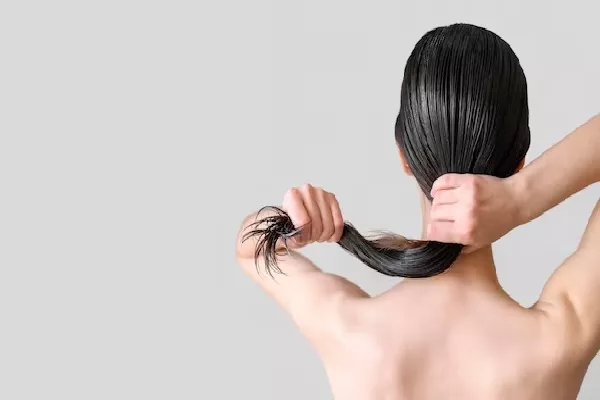
One of the primary benefits of hair slugging is its ability to hydrate the hair and scalp deeply. By trapping the natural oils and any hair care products you’ve applied, hair slugging helps to prevent moisture loss and keep your strands supple and manageable. This can be especially beneficial for those with dry, damaged, or chemically-treated hair.
Hair growth
Another advantage of this technique is its potential to promote hair growth. The occlusive layer created by the slugging product can help stimulate blood flow to the scalp, providing the necessary nutrients and oxygen for healthy hair follicles to thrive. Over time, this can lead to stronger, fuller hair.
Solution to scalp issues
Hair slugging can also be an effective way to address scalp concerns, such as dryness, flakiness, or irritation. The protective barrier helps to soothe and calm the scalp, while the trapped ingredients work to nourish and balance the skin.
Anti-frizz and flyaways
Furthermore, hair slugging can be a valuable tool in fighting frizz and flyaways. This technique can help create a sleek, polished appearance, even on the most unruly and wavy hair types, by locking in moisture and smoothing the cuticle.
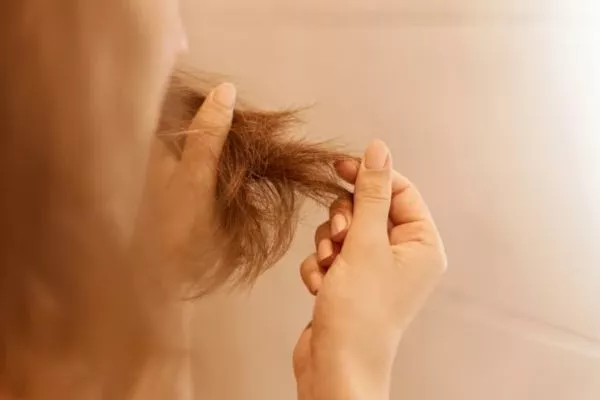
So, if you’re looking to take your hair care regimen to the next level, consider trying hair slugging. With its many benefits, this simple yet effective method could be the key to unlocking your most beautiful, healthy hair.
Drawbacks of Hair Slugging
Even though there are many advantages to using a hair slug, professionals caution that you need to watch out for some things if you want to attempt it at home.
Greasy hair and oily scalp
The slugging process may stimulate sebum production, increasing oiliness on the scalp and forehead and resulting in a greasy or shiny appearance. Additionally, improper cleansing can lead to product buildup. The occlusive nature of slugging products may leave a heavy, greasy residue on the hair and scalp if not washed out thoroughly.
Clogged hair follicles and pores
If the slugging product is not non-comedogenic, there is a risk of clogged hair follicles and pores. This could exacerbate existing scalp issues like dandruff or seborrheic dermatitis.
Volume and lift difficult to achieve
Difficulty achieving volume and lift in the hair, as the slugging process can weigh down strands and make the hair appear limp or flat, especially for those with fine or thin hair textures.
Time
It is a time-consuming application process. The slugging product needs to be left on overnight for maximum benefits, which may not fit everyone’s busy lifestyle or hair care routine.
Not for all hair
It is not suitable for all hair types or concerns. People with oily, fine, or limp hair may find that hair slugging exacerbates their existing issues rather than provides benefits.
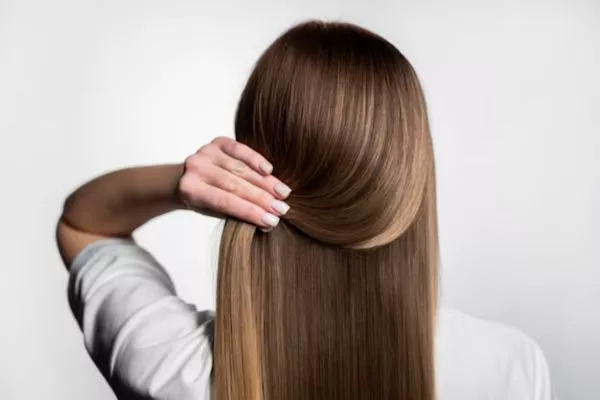
It’s essential to weigh the potential benefits against these drawbacks and to experiment cautiously to determine if hair slugging is the right approach for your specific hair needs and concerns.
Faq’s
Does hair slugging work?
Yes, hair slugging can be very effective for improving hydration and softness. Sealing in moisture helps prevent dryness and promotes healthier, shinier strands when done regularly with the right products.
Is slugging good for hair?
Yes, slugging is beneficial for hair, especially if your strands are dry or damaged. It enhances moisture retention, reduces frizz, and improves overall hair texture, making it feel smoother and more manageable.
What products are best for hair slugging?
Lightweight oils, like argan or jojoba, and rich creams, such as shea butter-based products, work best for slugging.