


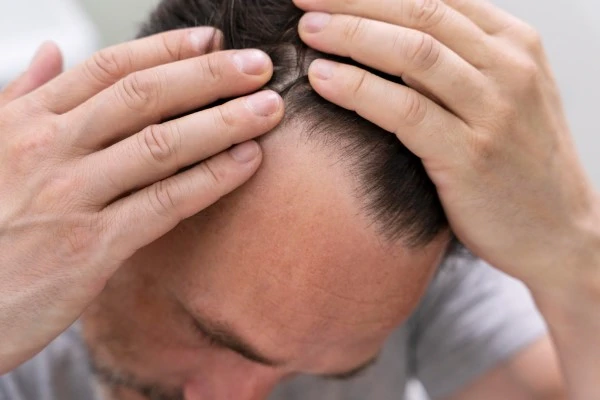
Hair issues can cause frustration and worry for many people. Our hair is not just a physical aspect but also connected to our self-image, confidence, and overall well-being. Unfortunately, multiple factors can contribute to a wide range of hair problems affecting people of all ages and genders. These issues include hair loss, dandruff, dryness, greasiness, and scalp conditions, which can significantly impact the health, appearance, and manageability of our hair.
The causes of hair problems can vary, including genetic predispositions, environmental factors, lifestyle choices, medical conditions, hormonal imbalances, and even the hair products we use. Understanding the reasons, symptoms, and potential solutions for these issues is crucial for effectively addressing and managing them. This guide provides a comprehensive overview of common hair problems, enabling you to make informed choices about your hair care.
It’s important to remember that everyone’s experience with hair problems is unique, and what works for one person may not work for another. Consulting a healthcare professional or hair specialist is advisable to obtain an accurate diagnosis and personalized advice tailored to your specific needs. By taking proactive measures and implementing suitable strategies, you can strive for healthier, more manageable, and happier hair.
You may also be interested: Hair Graft With Gray Hair, Is It Possible?
Hair Problems Unveiled
Delving beyond alopecia, there exists a rich tapestry of common hair problems that individuals may face. Understanding these challenges is essential in addressing and managing them effectively. Let’s explore some of the most prevalent hair issues.
Androgenetic Alopecia
Men and women may experience androgenetic alopecia, commonly known as male-pattern baldness. It manifests as hair thinning in an “M” shape, affecting the crown and temples while sparing the sides and back. Women may encounter central and frontal scalp thinning. Genetic predisposition and hormonal influences contribute to this condition.
Telogen Effluvium
Telogen effluvium disrupts the balance between hair growth and resting phases, resulting in excessive shedding. Triggers within the past few months can lead to a higher percentage of hairs in the resting (telogen) phase. In most cases, regrowth occurs naturally as underlying causes resolve.
Trichotillomania
Trichotillomania is an impulse-control disorder characterized by compulsive hair pulling, often starting in childhood. Patients may exhibit irregular hair loss patterns, and the scalp may appear normal or show signs of inflammation. Treatment involves addressing the underlying psychological issues.
Traction Alopecia
Traction alopecia arises from hair loss caused by tight hairstyling practices. Braids, cornrows, and tight ponytails exert excessive tension, leading to hair breakage. Avoiding trauma and adopting gentler styling techniques can help prevent further damage.
Tinea Capitis
Tinea capitis is a fungal infection that affects the scalp, primarily in children. It can cause hair loss, increased fragility, and breakage. Diagnosis is confirmed through microscopic examination or culture, and antifungal treatment is necessary.
Cicatricial Alopecia
Cicatricial alopecias result in permanent hair loss due to the destruction of hair follicles. Inflammatory processes, autoimmune disorders, neoplastic conditions, and hereditary factors contribute to this condition. Specialized treatment options may be required.
Remember, each person’s experience with hair problems is unique. For accurate diagnosis and personalized guidance, it’s advisable to consult a healthcare professional or hair loss specialist. By taking proactive measures and following appropriate strategies, you can work towards healthier, more manageable hair.
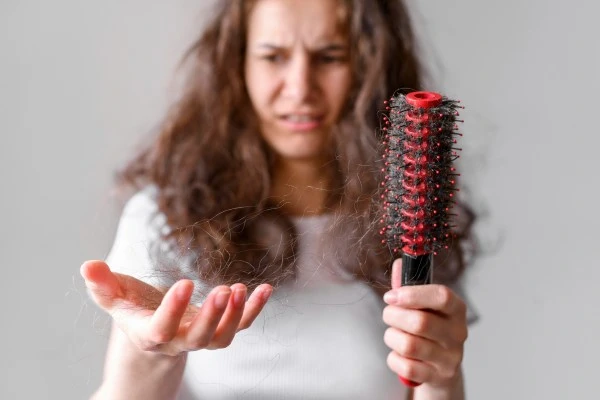
What Are The Causes Of These Hair Problems
The causes of various hair problems can be multifactorial and differ depending on the specific issue. Here are some general causes associated with common hair problems:
- Androgenetic Alopecia: This type of hair loss is influenced by genetic factors and hormonal imbalances, specifically the effects of androgens (male hormones) on hair follicles. Age also plays a role, as the hair follicles become more sensitive to androgens over time.
- Telogen Effluvium: Several factors can disrupt the normal hair growth cycle and trigger telogen effluvium. These include physical or emotional stress (such as surgery, illness, or trauma), hormonal changes (such as pregnancy or thyroid disorders), nutritional deficiencies (particularly iron or protein), rapid weight loss, certain medications (such as chemotherapy drugs), and underlying medical conditions (like autoimmune diseases or hormonal disorders).
- Trichotillomania: The exact cause of trichotillomania is not fully understood, but it is believed to involve a combination of genetic, psychological, and environmental factors. Stress, anxiety, or compulsive behaviors may contribute to the urge to pull out one’s hair.
- Traction Alopecia: This type of hair loss occurs when excessive tension is applied to the hair shafts over a prolonged period. Common causes include tight hairstyles (like braids, cornrows, or buns), hair extensions, weaves, and frequently using hair accessories that pull on the hair. The repeated stress weakens the hair follicles, leading to hair breakage and loss.
- Tinea Capitis: Fungal infections, mainly caused by Microsporum or Trichophyton species, are responsible for tinea capitis. These fungi thrive in warm and humid environments, such as on the scalp. The infection can be transmitted through direct contact with an infected person or contaminated objects like combs, hats, or pillows.
- Cicatricial Alopecia: Cicatricial alopecias are a group of rare hair loss disorders characterized by inflammation that destroys hair follicles, resulting in permanent hair loss. The causes can vary depending on the specific type of cicatricial alopecia. Inflammatory processes, autoimmune disorders, repetitive trauma (such as in trichotillomania), stem-cell failure, neoplastic conditions (like lymphomas), developmental abnormalities, and certain hereditary factors contribute to these conditions.
Managing Common Hair Problems
Handling common hair problems requires a comprehensive approach that encompasses both preventive measures and targeted treatments. Here is a general way to handle these issues:
- Understand the Problem: Educate yourself about the specific hair problem you’re facing. Learn about its causes, symptoms, and potential treatment options.
- Professional Consultation: Seek guidance from a healthcare professional or a hair specialist who can provide an accurate diagnosis and personalized advice.
- Lifestyle Modifications: Make positive changes in your lifestyle to promote healthy hair. This includes maintaining a balanced diet, staying hydrated, managing stress levels, getting regular exercise, and avoiding harmful habits like smoking.
- Gentle Hair Care Practices: Use mild shampoos and conditioners, avoid excessive heat styling and chemical treatments, and be gentle when brushing or styling your hair to prevent breakage and further damage.
Scalp and Hair Hygiene: Keep your scalp and hair clean and free from excess oil, dirt, and product buildup. Regularly wash your hair with appropriate products suitable for your hair type. Avoid sharing personal hair care items to prevent the spread of infections.