




Hair loss with white roots can be a common occurrence for several reasons, and in certain cases, it may be considered normal. However, it is essential to understand the underlying causes and seek professional advice to determine the appropriate course of action. Here’s some information that may help you better understand the situation.
You may also be interested: Hair Loss Due to Chemotherapy, What to Do?
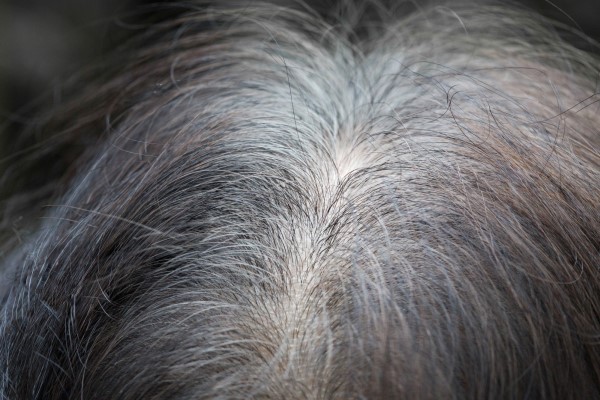
Hair Loss With White Roots
Natural Hair Cycle: Hair growth follows a natural cycle, consisting of an active growth phase (anagen), a transitional phase (catagen), and a resting phase (telogen). During the telogen phase, the hair follicle rests, and eventually, the old hair is shed to make way for new hair growth. When a hair strand is shed during this phase, it may have a white or translucent root, which is entirely normal.
Aging: As individuals age, the production of melanin (the pigment responsible for hair color) gradually decreases. Consequently, new hair strands that grow in may be lighter in color or appear white. This graying process is a natural part of aging and does not necessarily indicate any underlying health issues.
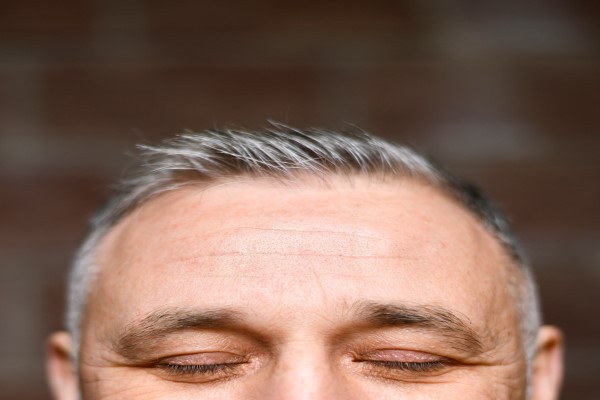
Telogen Effluvium: Telogen effluvium is a common temporary condition that leads to excessive shedding of hair. It can be triggered by various factors such as stress, hormonal changes, illness, medications, or major life events. When hair loss occurs due to telogen effluvium, the shedding hairs may have white roots because they are in the resting phase of the hair cycle.
Alopecia Areata: Alopecia areata is an autoimmune condition that causes patchy hair loss. When hair regrows after a period of alopecia areata, the new hair may initially appear white or lighter in color. This phenomenon, known as “regrowth of white hair,” is not unusual and usually resolves over time as the hair cycle returns to normal.
Occasionally, people also notice a single white patch or forelock rather than diffuse shedding; this is more typical of a pigment condition called poliosis, where the hair in one area loses colour but the follicles remain otherwise healthy.
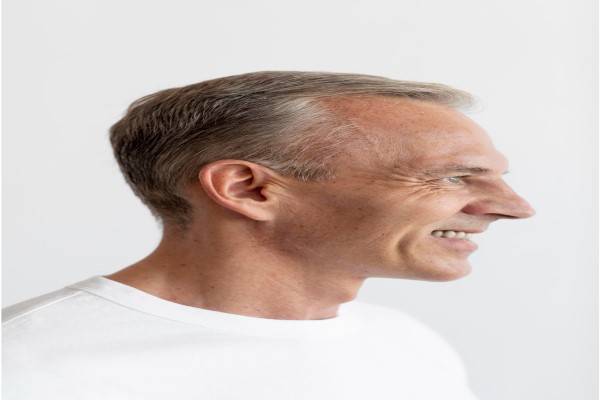
Other Causes: Hair loss with white roots can also occur due to other factors like nutrient deficiencies, thyroid disorders, scalp infections, or certain medical treatments. These underlying causes require attention and diagnosis by a healthcare professional to determine the appropriate treatment.
It is important to note that while hair loss with white roots can be normal in certain cases, if you are experiencing significant or concerning hair loss, it is advisable to consult a dermatologist or a healthcare provider. They can evaluate your individual situation, perform any necessary tests or examinations, and provide appropriate guidance or treatment options based on your specific needs.

Remember that everyone’s hair is unique, and changes in hair color or texture can vary from person to person. Seeking professional advice will help you understand your situation better and provide you with the necessary support for maintaining a healthy scalp and hair.
Unraveling The Mystery
The mysterious presence of a white bulb often instills fear in people as they mistake it for the root. The root is where hair originates, so if there’s no root, it seems logical that hair growth would cease.
However, here’s some good news to put your worries at ease: the bulb is not the actual root itself. Rather, it is the section of the hair strand that is closest to the root during its growth cycle.
When you spot a bulb at the end of a hair strand, it simply indicates that the hair was shed from the root. This occurrence signifies a phase known as telogen hair, and it is not necessarily linked to Male-Pattern Baldness or other types of hair loss like alopecia areata.
Moreover, the presence of a white bulb does not imply that further hair growth is impossible. In fact, the shedding of telogen hair is a natural part of the hair growth cycle.
Is White Bulb Bad?
A white bulb at the end of a hair strand, also known as a hair bulb, is typically not considered a cause for concern on its own. In fact, the presence of a white bulb can be a normal part of the hair growth cycle. When a hair strand reaches the end of its growth phase (anagen) and enters the resting phase (telogen), it eventually sheds. During this shedding process, the hair bulb, which contains the hair follicle, may appear white or translucent.
However, it’s important to consider the context in which you’re observing the white bulb. If you’re experiencing excessive hair loss, noticing sudden changes in your hair density, or observing other concerning symptoms along with the white bulb, it may be a sign of an underlying issue that requires further investigation.
Excessive hair shedding or hair loss can be caused by various factors, including hormonal imbalances, nutritional deficiencies, scalp infections, autoimmune conditions, certain medications, and more. If you have concerns about your hair health or notice any unusual changes, it’s recommended to consult a dermatologist or healthcare professional for a proper evaluation and diagnosis.
They can examine your scalp and hair, review your medical history, and conduct any necessary tests to determine the underlying cause of your hair loss. Based on their findings, they can provide appropriate advice, treatment options, or further referrals if needed. Remember that individual experiences may vary, and it’s always best to consult with a healthcare professional for personalized guidance regarding your specific situation.
How To Care For Your White Bulb
Once a hair strand has shed, it’s no longer connected to the hair follicle, and it’s a normal part of the hair growth cycle. However, it’s important to focus on overall hair and scalp health to support the growth of new, healthy hair. Here are some general tips for hair care:
Maintain a Balanced Diet: A nutritious diet that includes a variety of vitamins, minerals, and proteins is essential for healthy hair growth. Include foods rich in vitamins A, C, D, E, biotin, and iron, as they are known to promote hair health.
Gentle Hair Care Routine: Avoid aggressive or excessive brushing, as it can cause breakage or damage to the hair. Use a wide-toothed comb or a brush with soft bristles to detangle your hair gently. When washing, use a mild shampoo and conditioner suitable for your hair type.
Avoid Heat and Chemical Damage: Excessive heat styling tools, such as straighteners, curling irons, and blow dryers, can damage hair strands. Minimize their use or apply a heat protectant spray before styling. Similarly, limit chemical treatments like hair dyes, perms, or relaxers, as they can weaken the hair shaft.
Protect Your Hair: When exposed to harsh environmental conditions, such as sun, wind, or extreme temperatures, protect your hair with hats, scarves, or other head coverings. Also, consider using a leave-in conditioner or hair serum with UV protection.