



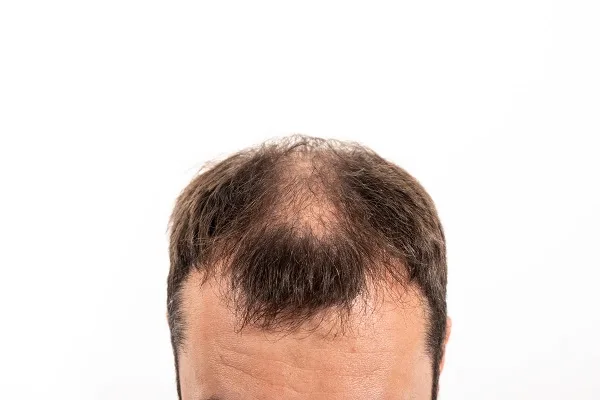
Alopecia, often known as hair loss, is a type of hair loss that can occur anywhere on the body; however, the most frequent type appears on the head. This disorder can affect either males or females, depending on the individual. A great deal of erroneous information and confusion is now circulating about the factors that do and do not contribute to hair loss. However, many of these beliefs fall under myths and truths about hair loss, which should be clarified to separate facts from fiction.
Hair loss can be a frustrating and often misunderstood condition, with many myths and misconceptions surrounding its causes and treatments. In this comprehensive guide on myths and truths about hair loss, we’ll separate the facts from the fiction, helping you navigate the complex world of hair health and find practical solutions to thinning hair.
What are the myths and truths about hair loss?
The key takeaway is to be cautious of quick fixes or miracle cures for baldness. The best approach is to consult a dermatologist who can properly diagnose the cause and recommend appropriate, evidence-based treatments. With the correct information and care, it’s possible to manage and even reverse many types of hair shedding.
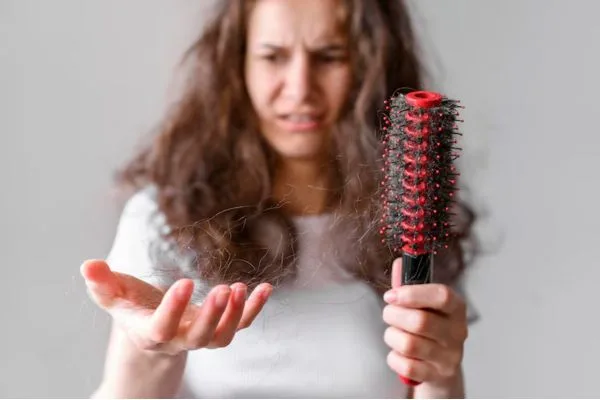
Myth 1: Stress causes permanent hair loss
Many people believe that their permanent hair loss is due to stressful situations, where the hair falls out for no other reason, as the person may be going through times of frustration, anger or stress.
Truth
While stress can contribute to temporary hair shedding, known as telogen effluvium, it does not directly lead to permanent, irreversible hair loss. Chronic stress may disrupt the hair growth cycle, but hair typically regrows once the stressful period passes.
Myth 2: Wearing hats causes baldness
There is a myth and truth about hair loss in relation to the use of hats, wigs and other hair accessories that would cause hair loss.
Truth
There is no scientific evidence that wearing hats, wigs, or other headwear causes hair loss. These items could contribute to shedding only if they are incredibly tight and pull on the hair, but this is rare.
Myth 3: Cutting your hair makes it grow back thicker
Many people believe that by cutting their hair more often, their hair will grow healthier and healthier, even thicker.
Truth
The thickness of your hair is determined by genetics, not by how often you get a haircut. Cutting the hair does not affect the diameter of the individual strands. It may appear thicker for a short time as the ends are trimmed, but the hair will not permanently grow back thicker.
Myth 4: Dandruff leads to baldness
There are some rumours that dandruff is one cause of hair loss, but let’s see what’s going on with this myth and the truth about hair loss due to dandruff.

Truth
Dandruff is a common scalp condition caused by an overgrowth of a fungus called Malassezia. While dandruff can be unsightly, it does not directly cause permanent hair loss. However, excessive scratching of a very itchy, flaky scalp could potentially damage the hair follicles over time.
Myth 5: Hair loss is inevitable with ageing
It is a misconception that hair loss is an unavoidable part of the ageing process. Many people maintain a full head of hair well into their later years. Genetics plays a significant role, but so do lifestyle choices, health conditions, and hair care practices.
Truth
Hair loss is not merely a concern for the elderly; it can affect individuals at various stages of life. In fact, conditions like androgenetic alopecia, commonly known as male or female pattern baldness, can manifest as early as the late teens or early twenties.
Why do people lose their hair?
Understanding the underlying causes of hair loss is essential for effectively addressing the condition. Numerous myths and misconceptions can obscure the true nature of hair loss; however, recognizing the actual factors can significantly help those affected. Hair loss often impacts self-esteem and overall quality of life, making it vital to understand its primary causes.
Genetics
The most common type of hair loss is hereditary pattern baldness, known as androgenetic alopecia. This condition affects people of all genders and typically begins in early adulthood, manifesting as gradual hair thinning.
By being aware of family history, people can gain valuable insights into the likelihood of experiencing similar hair loss patterns and take proactive measures.
Hormonal imbalances
Hormonal fluctuations profoundly impact hair health. Significant life events can disrupt hormone levels, leading to thinning or hair loss.
Some of these periods are pregnancy, menopause, and conditions like polycystic ovary syndrome (PCOS). Additionally, thyroid disorders, including both hyperthyroidism and hypothyroidism, interfere with the natural hair growth cycle.
Medications
Certain medications are known to contribute to hair loss as a side effect. Treatments for conditions such as cancer, arthritis, and mental health disorders can disrupt the hair growth cycle.
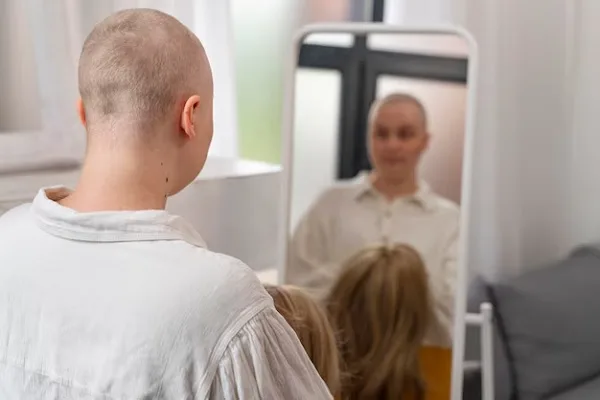
Notably, chemotherapy is associated with substantial hair loss. Patients should openly discuss potential side effects with their healthcare providers. That will allow them to explore alternative options and improve the management of these concerns.
Nutritional deficiencies
A balanced diet plays a critical role in maintaining healthy hair. Deficiencies in essential nutrients can hinder hair growth and lead to shedding (nutrients like iron, biotin, vitamin D, and zinc).
A varied diet that incorporates fruits, vegetables, lean proteins, and whole grains is important for promoting hair health and fostering growth.
Stress and Medical conditions
Stress can exacerbate hair loss conditions. For instance, telogen effluvium results in noticeable shedding, while autoimmune disorders like alopecia areata cause the body to mistakenly target its hair follicles, leading to hair loss.
Individuals can enhance their overall well-being and support healthy hair growth by managing stress through relaxation techniques, therapy, or lifestyle adjustments.
How do I know if I have hair loss according to myths and truths about hair loss?
To determine if you have hair loss, start by observing any noticeable changes in your hair. One common sign is finding more hair than usual on your brush or in the shower. Additionally, if your scalp becomes more visible or you notice thinning patches, these can indicate hair loss.
It’s essential to distinguish between myths and truths about hair loss. If, after reading the aspects mentioned at the beginning, you suspect you might be losing hair, it can be helpful to consult a dermatologist or a healthcare provider.
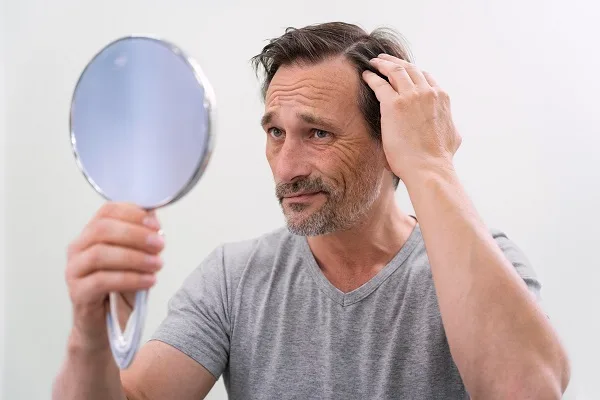
IMPORTANT: Professionals can assess your situation, provide insight into underlying causes, debunk myths, and share truths about potential treatments.
Myths and truths about hair loss and its treatments
Some various alternative treatments and solutions can help or harm hair loss. Let’s take a look at some of them to see which might work best for your hair loss. Here are some of them to see which might work best for your hair loss.
1. Topical treatments regarding myths and truths about hair loss
· Minoxidil (Rogaine)
- Myth:Hair loss can only be treated with surgical options. This myth overlooks the effectiveness of non-invasive treatments like minoxidil, which can help many individuals regain thicker hair over time.
- Truth:Minoxidil is a clinically proven topical solution that can stimulate hair growth in both men and women.
· Finasteride (Propecia)
- Myth:All medications for hair loss are ineffective. While results can vary, finasteride has shown significant success for many men experiencing androgenetic alopecia.
- Truth:This prescription medication effectively reduces DHT levels, a hormone linked to hair loss in men, leading to hair regrowth.
2. Oral medications

· Dutasteride
- Myth:There are no effective medications for hair loss. This misconception neglects the advancements in pharmaceutical treatments that can provide significant benefits.
- Truth:Similar to finasteride, dutasteride can be effective for those who do not see results with other treatments, further demonstrating the variety of options available.
3. Innovative therapies regarding myths and truths about hair loss
- Platelet-Rich Plasma (PRP) Therapy
- Myth:Natural remedies are the only effective solutions for hair loss. While some people may prefer holistic approaches, treatments like PRP offer scientifically-backed results.
- Truth:PRP therapy harnesses the body’s own healing properties to stimulate hair growth, showing promising results for many individuals.
· Low-Level Laser Therapy (LLLT)
- Myth:Technology cannot aid in hair restoration. The success of LLLT highlights how innovative technology plays a vital role in modern hair loss treatments.
- Truth:LLLT is a non-invasive method that has been shown to improve hair density and growth by promoting circulation in the scalp.
4. Surgical options
· Hair transplantation
- Myth:Surgical treatments are too risky or always yield unnatural results. When performed by qualified professionals, hair transplants can yield natural and aesthetically pleasing outcomes.
- Truth:Hair transplant procedures offer permanent solutions for hair loss by relocating healthy hair follicles to thinning areas. A clear example is FUE and FUT (that you can find in CapilClinic).
- Scalp reduction
- Myth:All surgical options are outdated and ineffective. The evolution of hair restoration techniques has led to safer and more effective procedures.
- Truth:This surgical option effectively reduces bald areas by removing them and bringing together hair-bearing scalps, demonstrating that surgical solutions can be practical.
5. Alternative solutions
· Wigs and hairpieces
- Myth:Wearing wigs is a sign of defeat or lack of confidence. Embracing wigs can be empowering, offering a stylish alternative while navigating hair loss.
- Truth:High-quality wigs and hairpieces can provide immediate and natural-looking solutions for those experiencing hair loss.

· Nutritional supplements
- Myth:Nutrition has no impact on hair loss. A balanced diet and proper supplementation can play a significant role in maintaining healthy hair.
- Truth:Supplements that promote hair health, containing biotin and other essential nutrients, can support overall well-being and potentially aid hair retention.
Faq’s
What are the most common myths and truths about hair loss?
Common myths include that wearing hats or frequent shampooing causes hair loss. Truths involve genetics, hormonal imbalances, and nutritional deficiencies as primary factors.
How can I differentiate myths and truths about hair loss?
Research reputable medical sources and consult dermatologists to verify claims. Many myths spread through misinformation, while truths are backed by science.
Are myths and truths about hair loss different for men and women?
While some causes, like genetic factors, apply to both genders, hormonal changes uniquely affect women, such as during pregnancy or menopause.
Conclusion
Understanding the myths and truths about hair loss is essential for making informed decisions about hair health and treatments. Misconceptions can lead to unnecessary stress or ineffective remedies, but recognizing scientifically-backed facts allows for targeted and effective management of hair loss.
People can take proactive steps toward maintaining or restoring their hair by identifying the underlying causes—such as genetics, hormonal imbalances, or nutritional deficiencies—and discovering common myths and truths about hair loss.
At Capilclinic, we’re trusted by thousands of patients in the UK and Europe as a leading Hair Transplant Clinic in Turkey and Spain, known for our expert doctors, advanced facilities, natural hairline results, and affordable all-inclusive packages. Reach out to our team today to start your transformation.