



Receiving a cancer diagnosis is undeniably one of life’s most challenging events. The emotional impact and uncertainty that accompany it can be overwhelming, especially when coupled with the physical and mental burdens of treatment. Chemotherapy, a standard cancer treatment, often leads to hair loss, adding yet another layer to the difficulties faced by patients. This article aims to thoroughly explore the topic of hair loss during chemotherapy, shedding light on its causes, the effects on mental and emotional well-being, and strategies for coping with it. Hair loss, scientifically known as alopecia, can profoundly impact an individual’s self-image and confidence. Understanding the underlying causes of hair loss during chemotherapy is crucial. The treatment affects rapidly dividing cells, including those in the hair follicles, leading to hair loss. By comprehending the mechanisms at play, individuals can gain valuable insight into the process and its implications.
Feelings of anxiety, depression, and a diminished sense of self-worth are common responses to baldness, which affects a person’s life. Acknowledging and addressing these psychological aspects are essential in supporting patients during this challenging time. Finding emotional support is crucial to coping with hair loss. Seeking counselling, joining support groups, or connecting with others who have shared similar experiences can provide solace and a sense of community. Sharing stories, fears, and triumphs can be immensely comforting and empowering.
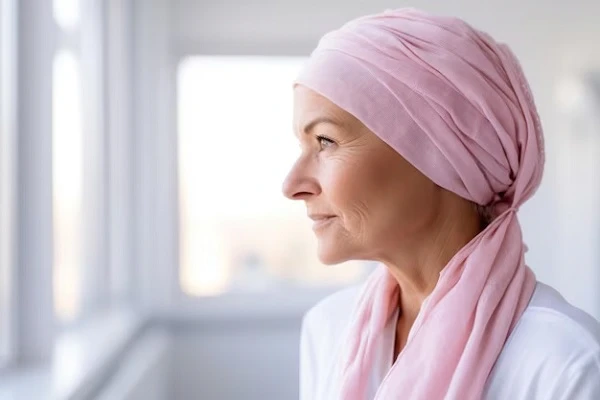
Additionally, exploring different options to manage the appearance of hair loss can help individuals regain a sense of control and boost self-confidence. Wigs, scarves, hats, and other head coverings offer practical solutions while allowing individuals to express their style. Embracing these alternatives can positively impact emotional well-being and help individuals navigate hair loss during chemotherapy.
Understanding Chemotherapy-Induced Hair Loss
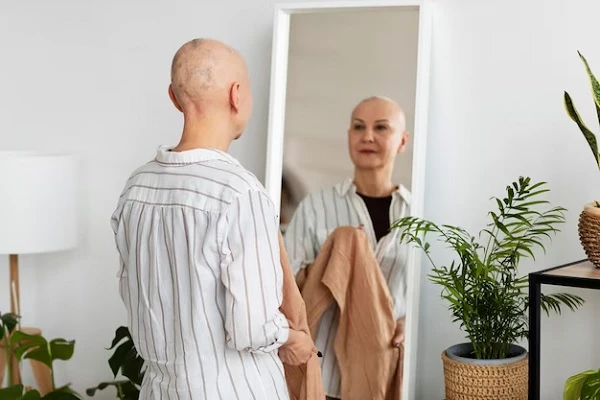
Unfortunately, chemotherapy brings about specific undesirable effects. One of the most prominent and emotionally challenging side effects is hair loss. The mechanism behind this lies in the fact that chemotherapy drugs target rapidly dividing cells, including cancer cells and healthy cells, such as those found in hair follicles. The extent and rate of hair loss can vary based on the specific chemotherapy drugs used, the dosage administered, and individual sensitivity. Some individuals may experience gradual hair loss over time, while others may encounter rapid and sudden hair loss. Hair loss during chemotherapy is not limited to the scalp alone; it can also affect the eyebrows, eyelashes, and body hair.
The psychological impact of hair loss during chemotherapy can be profound. Losing one’s hair can be a visible reminder of the illness and can significantly affect self-esteem and body image. These changes require a multifaceted approach, including emotional support, practical solutions, and self-care strategies. Sharing experiences and feelings can help individuals cope with the emotional toll of hair loss and navigate the accompanying uncertainties.
Exploring practical options to manage the appearance of hair loss can also be beneficial. Wigs, scarves, hats, and other head coverings allow individuals to express their style and regain control over their appearance. Additionally, some may proudly embrace their baldness, finding empowerment in their unique journey. Hair loss during chemotherapy is usually temporary. As the body recovers after treatment, hair follicles gradually regain their function, and hair grows back.
What should you expect?
Experiencing hair loss can be emotionally challenging for individuals undergoing cancer treatment. In most cases, hair loss starts two to four weeks after therapy has begun. It could come out in clumps or thin out gradually. You may find clumps of hair in unusual places, such as your pillow, hairbrush, comb, or the bathroom sink or shower drain.
Tenderness on your scalp is normal. Hair loss will persist during therapy and for some time after that. Treatment determines whether hair loss is gradual or sudden. According to patients, hair loss is an unpleasant side effect of cancer treatment. Unfortunately, each time you see yourself in a mirror, your changing appearance reminds you of your sickness and everything you’ve encountered since your diagnosis.
When will your hair grow back?
After treatment, your hair might take a few weeks to heal and grow back. When it does, it will likely look a little different from the hair you lost. The change is usually only temporary.
Your new hair may be a different colour or feel. It could be curlier than before or turn grey until the cells that control your hair colour start working again.
Can hair loss be prevented?
There is currently no way to prevent hair loss from chemotherapy or its aftereffects. Many therapies have been studied for their potential to stop hair loss, but none have proven 100% successful.
- Scalp cooling caps (scalp hypothermia). You can reduce blood flow to your scalp by wearing a tight-fitting cap filled with chilly liquid during chemotherapy infusions. This reduces the likelihood that you will lose your hair due to chemotherapy. Researchers have shown that most persons who use scalp cooling caps or other kinds of scalp hypothermia have at least some relief from their symptoms. However, the operation also leads to a minimal chance of cancer reoccurring in your scalp. That is because this area doesn’t receive the same dose of chemotherapy as the rest of your body. Participants in scalp hypothermia studies often complain of a numbing coldness and accompanying headaches.
- Minoxidil (Rogaine). There is little evidence that using minoxidil, a medicine licensed for hair loss, on your scalp before and during chemotherapy would prevent hair loss; however, it may hasten hair regeneration. More studies are needed to determine if minoxidil is helpful in regrowing hair following cancer therapy.
How to make the best of it
In most cases, you won’t be able to stop or even slow your hair loss, but you can treat it. Remember the following to lessen the emotional toll of hair loss during treatment.
Before treatment
- Be gentle with your hair: Practice treating your hair gently. Don’t bleach, colour, or perm your hair because it will weaken. Allow your hair to air dry as much as possible. Avoid using heating devices like curling irons and hot rollers. Strengthening your hair now may help it stay in your head for a little longer during treatment.
- Think about getting your hair cut: Short hair appears fuller than long hair. If you have short hair, it will be less noticeable as your hair falls out. Going short may also help you make a smoother adjustment to total hair loss if you have long hair.
- Consider wearing a head covering: Now is the time to consider wigs, scarves, and other head coverings. It is entirely up to you whether or not to wear a head covering to conceal your hair loss. However, it is preferable to plan for it now rather than later. Request a prescription from your doctor for a wig, which your health insurance may cover.
During treatment
- Pamper your remaining hair: Throughout your chemotherapy treatment, maintain your moderate hair techniques. Use a gentle bristle brush. Wash your hair only when necessary. Consider using a mild shampoo.
- Think about shaving your head: Some patients claim that when receiving treatments and when their hair is falling out, their scalps feel sensitive, itchy, and irritated. Shaving your head can avoid the shame of shedding and lessen the aggravation.
- Guard your scalp: If your head will be exposed to the sun or chilly air, use a head covering or sunscreen to protect it. As you receive treatment, your scalp may become sensitive and easily irritated by intense cold or sunshine. Wearing a head covering may help you feel more comfortable if you have little or no hair.
After treatment
- Continue gentle hair care: Your newly grown hair will be highly delicate and susceptible to harm from heated tools and styling products. Wait to colour or bleach your freshly grown hair until it becomes more resilient. Processing may aggravate your sensitive scalp and harm your newly acquired hair.
- Have patience: Your hair will probably grow back slowly and may not look normal immediately. However, both growth and healing from the harm your cancer treatment has caused need time.
Strategies for Coping
- Education and Preparation: Patients considering chemotherapy should discuss the risks involved, including hair loss, with their healthcare provider. Knowing what to expect can help people adjust their attitudes towards the inevitable physical changes.
- Choosing the Right Wig: Many individuals diagnosed with cancer choose to wear wigs to preserve a semblance of normality. Selecting a wig before the onset of hair loss enables individuals to identify a style and colour that closely resembles their own natural hair, facilitating a more seamless transition.
- Scarves and Headwear: Scarves, hats, and other head coverings offer a viable and stylish substitute for wigs, ensuring comfort and fashionability. For individuals who prioritise a lighter and more breathable alternative, they might serve as a highly advantageous choice.
- Embracing the Natural Look: Some people choose not to cover their heads at all. Adopting a more natural appearance can be a liberating and energising choice. It is essential to do one’s own thing and not give in to pressure from others.
- Talking to a Counsellor: When dealing with the psychological difficulties that come with hair loss, it can be pretty helpful to seek the counsel of a trained mental health practitioner. Counselling can provide effective coping mechanisms, emotional support, and a secure environment for expressing emotions.
Conclusion
Hair loss is a common and visible consequence of chemotherapy that can have a substantial impact on an individual’s self-esteem and emotional welfare. Nevertheless, individuals can navigate this facet of their cancer experience with adequate knowledge and assistance with greater assurance.
It is vital for healthcare professionals, as well as friends and family, to acknowledge the emotional difficulties linked to hair loss and extend support and empathy to those confronting this aspect of cancer therapy.