



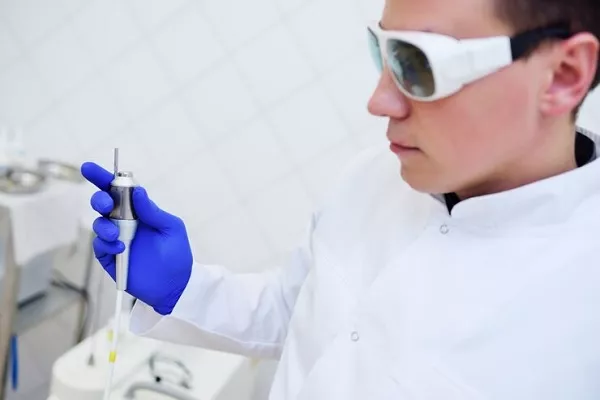
Hair laser therapy is an innovative technique that has transformed hair restoration. Due to its effectiveness, it has gained significant attention. This advanced method uses low-level laser light to target specific hair concerns, including thinning hair, receding hairlines, and stubborn areas of hair loss.
As people search for reliable solutions to improve hair health, hair laser therapy has become increasingly popular. This treatment stimulates hair follicles, encouraging regrowth while enhancing hair quality. It is particularly effective for addressing various hair challenges. Moreover, it provides a promising way to restore confidence and vitality during the hair restoration process.
What is the Hair Laser Therapy?
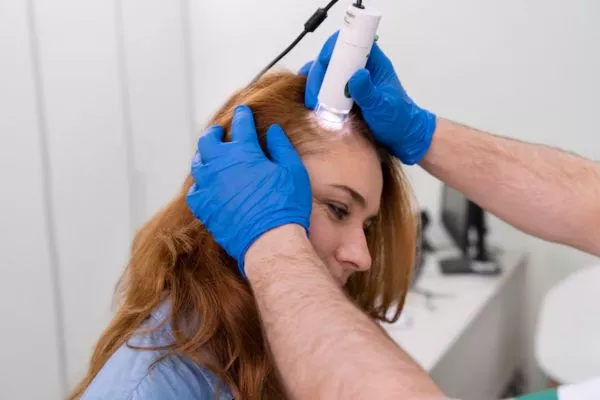
Hair laser therapy is an innovative treatment that utilizes low-level laser light to stimulate hair follicles, promoting hair regrowth and thickening. This non-invasive procedure is particularly beneficial for people experiencing thinning hair or hair loss, as it enhances blood circulation to the scalp. This improved blood flow provides essential nutrients to hair follicles, thereby encouraging healthier hair growth.
Experts developed this as an alternative to more invasive hair restoration methods. This therapy has seen significant advancements due to technological improvements over the years. These advancements have contributed to the treatment’s increased safety and effectiveness, making it more accessible to a wider audience. As a result, many individuals now consider hair laser therapy one of the leading options for enhancing hair health.
How does hair laser therapy work?
The heart of this new approach is selective photothermolysis. It is a process that targets certain light-absorbing molecules (chromophores) inside the hair follicles. The success of hair laser therapy depends on choosing the right laser wavelength. The doctor chooses the right wavelength to match the absorption spectrum of the melanin in the hair. This way, hair follicles can absorb it without damaging the surrounding skin.
Hair laser therapy doesn’t rely on topical creams or oral medications, like minoxidil, which can have varying degrees of effectiveness. Instead, it directly stimulates the follicles, encouraging them to enter the active growth phase and produce healthier, stronger hair.
What is the laser hair treatment procedure?
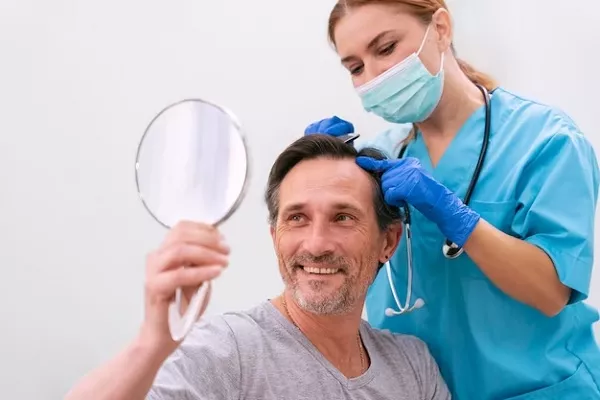
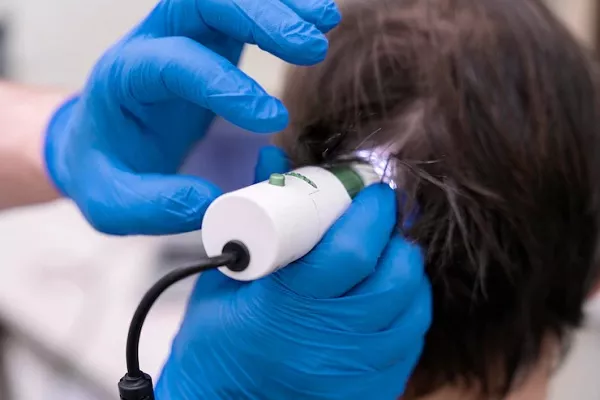
The process begins with the patient wearing protective eyewear to ensure safety during the treatment. Next, the practitioner gently guides the laser device over the targeted scalp areas. The device delivers precise pulses of energy directly to the hair follicles.
As the melanin in the follicles absorbs the laser’s energy, it initiates biological processes that encourage hair regrowth and thickening. The heat the laser generates increases blood flow to the follicles. This enhanced circulation provides essential nutrients and oxygen. This way, it helps the follicles transition into the active growth phase.
In addition, the laser’s energy reduces inflammation in the scalp. It also stimulates the production of growth factors within the follicles. Together, these effects strengthen existing hair strands and support the growth of new, healthier hair.
Pros and cons of Laser hair removal
Dealing with baldness can affect psychologically. It can be a frustrating and emotional journey. However, this method allows you to explore options that promote hair growth and improve hair quality. However, it is vital to understand the benefits and limitations of these treatments before deciding on a solution.
Pros
- Stimulates hair regrowth: The laser’s targeted energy stimulates hair follicles, encouraging them to enter the active growth phase. This process leads to the production of healthier, stronger hair.
- Improves hair thickness: Hair laser treatment revitalizes the follicles, helping to thicken existing hair strands. As a result, the hair appears fuller and more vibrant.
- Addresses various hair concerns: It does not matter if you’re experiencing male-pattern baldness, female-pattern hair loss, or post-treatment hair loss. This therapy can meet your specific needs.
- Non-invasive and painless: Unlike surgical hair transplants or other invasive treatments, hair laser therapy is a relatively painless, non-invasive procedure. It requires no downtime or recovery period.
- Enhances scalp health: Hair laser therapy improves the overall health and condition of the scalp by promoting increased blood flow and reducing inflammation.
- Boosts self-confidence: Hair laser therapy can restore the appearance of a full, healthy head of hair, significantly impacting an individual’s self-esteem and overall quality of life.

Cons
- Variability in results: While hair laser therapy is effective for many patients, the results can vary. This depends on the severity of the hair-related condition and the person’s response to the treatment.
- Requires multiple sessions: Achieving optimal results typically requires multiple sessions. These can be time-consuming and may require a financial commitment.
- Potential side effects: Although rare, some people may experience minor side effects, such as scalp irritation or temporary redness, after the treatment.
- Limited long-term data: Hair laser therapy is a relatively new treatment. That’s why there is limited long-term data on the sustainability of the results. The same happens about any potential long-term effects.
- Cost: Compared to traditional hair loss treatments, hair laser therapy can be more expensive. This may make it less accessible for some individuals.
How does laser hair treatment treat hair loss?
The most important thing to remember is that there are three stages in the hair development cycle. Firstly, growth (the anagen phase), then resting (the telogen phase) and, finally, shedding (the catagen phase).
Androgenetic alopecia is a type of hair loss caused by dihydrotestosterone (DHT), a derivative of testosterone found in the skin. Low-intensity laser therapy stimulates metabolism in hair follicles in the telogen or catagen phases. Then, it prompts them to enter the anagen (growth) phase.
In principle, light photons act on cytochrome C oxidase, which triggers the production of adenosine triphosphate (ATP). In the hair follicle cells, this leads to the production of cyclic AMP, which releases energy and stimulates the metabolic processes essential for hair growth. In addition, increased scalp vascularisation, facilitated by the release of nitric oxide from the cells, improves the distribution of oxygen and nutrients to the hair roots.
Side Effects of Laser hair removal
Hair laser therapy is generally safe and effective, but it may cause some potential side effect.
Temporary redness and irritation
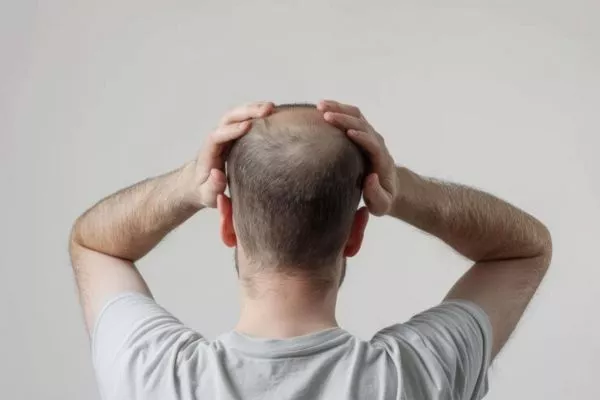
After the treatment, some patients may notice mild redness, swelling, or irritation on their scalp. These symptoms are a common response to the laser’s energy. They may feel like a slight burning sensation or tenderness in the treated area. Fortunately, these effects are temporary and typically subside within a few hours or, at most, a few days.
Increased shedding
During the initial stages of treatment, patients may experience an increase in hair shedding. But don’t panic! This is a normal response to the laser’s stimulation of hair follicles, which encourages them to enter the active growth phase.
As a result, older hairs in the resting phase may be pushed out, causing a temporary shedding period. This process is part of the natural hair renewal cycle and indicates that the treatment is promoting hair growth.
Discomfort or slight pain
While hair laser therapy is generally comfortable, some patients may feel a subtle tingling or gentle warming sensation during the procedure. This mild discomfort is typically manageable and well within the tolerance levels of most people. As a result, most patients can undergo the treatment without significant distress.
Hyperpigmentation or Hypopigmentation
In rare cases, the application of laser energy may cause changes in skin pigmentation. These changes can result in either darkening, known as hyperpigmentation, or lightening, referred to as hypopigmentation, in the treated areas. People with darker skin tones are more likely to experience these variations.
Infection or inflammation
As with any medical procedure, there is a small risk of infection or inflammation at the treatment site. This risk increases if proper hygiene and aftercare instructions are not followed. To reduce the likelihood of these complications, it is essential to keep the area clean and adhere to all post-treatment guidelines.
How safe is laser hair treatment?
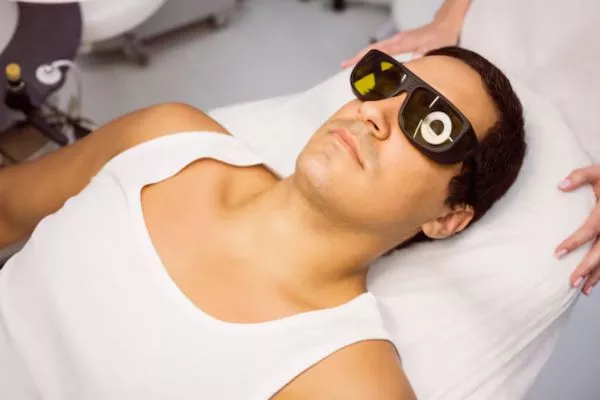
In general, laser hair treatment is safe when performed by qualified professionals with FDA-approved devices. Because it is non-invasive, it reduces the risk of complications compared to surgical methods of hair restoration. However, like any treatment, it carries some minimal risks and side effects, such as temporary redness, irritation, mild discomfort during the procedure and others mentioned above.
The treatment has a low risk of infection or scarring as it does not involve cutting the skin. It is also less likely to cause serious side effects than other hair loss treatments, such as medication or surgical options. However, people with certain medical conditions, such as skin disorders or sensitivity to light, should consult a healthcare professional before undergoing laser therapy.
REMEMBER: Always consult with a specialist before undergoing any type of treatment.
Faq’s
How often do I need to undergo treatment?
For optimal results, hair laser therapy is generally performed 2 to 3 times a week during the initial phase of treatment. Afterward, maintenance sessions may be required once a month or as recommended by your specialist.
Who is a good candidate for hair laser therapy?
Hair laser therapy is most effective for individuals with mild to moderate hair thinning or early stages of hair loss. It is also suitable for people with active hair follicles and those seeking to improve overall hair health.
Can I combine laser hair removal with other treatments?
Yes, hair laser therapy can be combined with other hair restoration methods, such as medications or hair transplants, for enhanced results. Consult with a specialist to determine the best combination for your needs.
Conclusion
Hair laser therapy is a promising, non-invasive option for treating hair loss. This therapy stimulates hair follicles and improves scalp health, which promotes hair growth. Although it has the most advantages, it is essential to be aware of possible side effects and variability of results. It should be performed under the supervision of qualified professionals. Consult with a specialist to determine the suitability of this treatment for your specific needs and goals. Hair laser therapy can be used alone or in combination with other medicines. It can play an essential role in restoring hair confidence and vitality.
At Capilclinic, we’re trusted by thousands of patients in the UK and Europe as a leading Hair Transplant Clinic in Turkey and Spain, known for our expert doctors, advanced facilities, natural hairline results, and affordable all-inclusive packages. Reach out to our team today to start your transformation.