



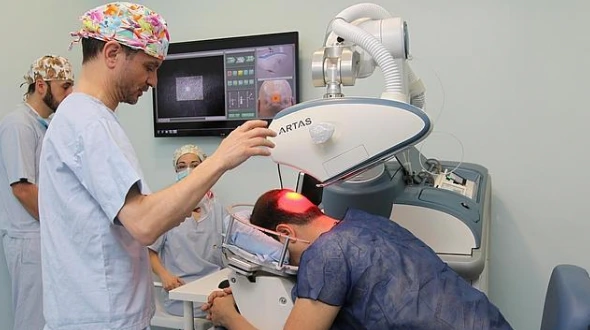
If your hair is getting thinner and you want to stop it, you should see an expert. Even though there are foods that help keep our hair healthy, baldness is a problem that has a strong genetic component. In this kind of case, the best thing to do will always be to get a hair implant. For those who don’t know, hair transplants last for the rest of your life. The whole hair follicle is transferred in a way that makes sure the hair won’t fall out again if the hair follicle has genes that don’t cause hair loss. In these procedures, autologous transplants are always done so that the patient doesn’t lose the hair. They are also done with hair that has genetic information linked to not losing hair so that the hair doesn’t fall out again and grows properly.
Since hair loss can have a big effect on a person’s self-esteem and quality of life in general, it’s not surprising that interest in hair regrowth has grown in recent years. People are looking into more and more ways to deal with hair loss, and hair implants have become a popular choice among these options. This blog looks into hair implants and tries to answer the most important question: “Do they work?” By the end of this article, you’ll have a better idea of whether hair implants are the right choice for your journey to restore your hair.
Definition of Hair Implants
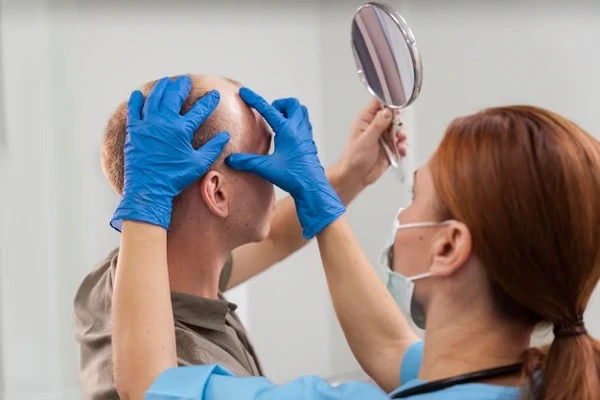
Hair implants, alternatively referred to as hair transplantation without shave or hair grafting, encompass surgical interventions intended to address the issue of hair loss and baldness. The aforementioned treatments encompass the transfer of hair follicles from a specific region of the body, often the posterior or lateral regions of the cranium, to areas that are undergoing hair thinning or complete hair loss. Hair transplantation procedures are designed to effectively address the restoration of a natural hairline and the overall hair density, so presenting a viable option for individuals looking to recover their depleted hair.
The increasing prevalence of hair loss has led to a heightened interest in hair restoration, as it is widely recognised that this condition may have a profound influence on an individual’s self-esteem and overall well-being. There has been a growing trend among individuals to actively seek out different approaches to mitigate their concerns with hair loss. Within this range of possibilities, hair implants have gained significant popularity.
How hair implants differ from other hair loss treatments
Hair implants, also called hair transplantation or hair grafting, are different from other treatments for hair loss in a number of important ways. This makes them a unique and appealing choice for people who want to treat thinning hair or baldness.
Permanent answer
Unlike many non-surgical treatments, like topical medications or laser therapy, hair implants are a permanent answer to hair loss. This is because hair cells that have been transplanted tend to be resistant to dihydrotestosterone (DHT), which is the hormone that causes pattern baldness. After being moved, these hairs should keep growing for the rest of their lives.
Results That Look Natural
Hair implants give results that look and feel very much like hair that is already there. Skilled doctors place the hair follicles exactly where they need to be so that the transplanted hairs blend in perfectly with the rest of the hair.
Customization
Hair implant methods can be changed a lot to fit the needs of each patient. Surgeons can place hair follicles in a natural way to make a hairline and treat specific areas of hair loss, making sure that each patient gets a treatment that fits their particular needs.
They need little care
Unlike wigs, hairpieces, and other temporary options, hair implants don’t need much care over time. Once the hair strands that were transplanted have grown in, you can treat and style them like the rest of your natural hair.
Better self-esteem
Permanent hair regrowth has a huge effect on a person’s mental health. People can feel better about themselves, like their bodies, and regain their confidence with hair implants, which may not be as easy to do with short or less permanent treatments.
Less need for medicines
People who have been taking medicines to slow hair loss can do so on their own with hair implants. This cuts down on the ongoing costs and possible side effects of taking a drug for a long time.
Factors Affecting the Success of Hair Implants
The success of hair implant treatments is affected by a number of key factors that have a big impact on the end result:
- Expertise of the surgeon: The skill and experience of the surgeon are crucial in the hair implant process. A well-trained and experienced surgeon knows how to create a natural-looking hairline. They also make precise cuts for follicle transplantation and minimize scarring. Choosing a surgeon with a good reputation and a history of successful procedures increases the likelihood of a successful hair transplant.
- The type and quality of the patient’s hair: The type and quality of the patient’s hair can have a big impact on how well hair implants work. The coverage and thickness of coarse, curly hair is often better than that of fine, straight hair. The quality of the source hair from the back or sides of the head is also an important factor. Hair cells that are healthy and strong tend to have a higher survival rate after being transplanted.
- Care Before and After Surgery: Care before and after surgery is very important for a successful hair implant process. Before surgery, patients must follow instructions from their therapist. These may include avoiding certain drugs and alcohol. It’s crucial to take good care of the transplanted area post-surgery to prevent infection and aid healing. This involves keeping the area clean, avoiding excessive sun exposure, and following the surgeon’s care instructions for your hair.
Alternatives to Hair Implants
Although hair implants provide a viable and enduring method for hair restoration, their suitability may vary across individuals. Fortunately, there are various methods to address hair loss. These include non-surgical interventions, lifestyle changes, and the use of wigs and hairpieces.
Non-Surgical Hair Restoration Options
- Medications: Medication is a popular non-invasive alternative to surgical hair regrowth. Minoxidil, sold as Rogaine, stimulates hair growth when applied topically. Finasteride, branded as Propecia and taken orally, reduces the effects of the hormone DHT on hair follicles. Hair loss can be slowed or even reversed with the help of these drugs.
- Laser Therapy: Non-invasive low-level laser therapy (LLLT) uses red light to stimulate hair follicles. This process increases local blood flow and promotes hair growth. Both in-office and at-home laser therapy equipment are on the market. Consistent use has been shown to increase hair density and thickness for certain users.
- Platelet-Rich Plasma (PRP) Therapy: PRP therapy involves extracting platelet-rich plasma from a small blood sample taken from the patient. The plasma is then injected directly into the scalp. Growth factors included in PRP have the potential to activate hair follicles, leading to new growth. It’s a low-risk choice that won’t cause too much damage to your body.
Lifestyle Changes for Hair Health
Maintaining a healthy lifestyle can positively impact hair health. This includes adopting a well-rounded diet rich in essential vitamins and minerals. It also involves staying hydrated and managing stress effectively. Additionally, it’s crucial to avoid harmful hair practices. Excessive use of heat styling tools or tightly styled hairstyles can cause hair breakage. Taking a comprehensive approach to wellness can promote your hair’s well-being now and reduce the risk of future hair loss.
The Role of Wigs and Hairpieces
Wigs and hairpieces are non-invasive options that offer immediate enhancements in terms of aesthetics. Individuals can choose from a wide range of styles, colors, and materials that closely align with their own hair characteristics. High-grade wigs and hairpieces offer a viable alternative for those who are averse to undergoing surgical interventions. They also provide more durable strategies for addressing hair loss.
Conclusion
This kind of assistance works because it involves using one’s own hair, so the chances of rejection are almost nil. As we’ve told you, this makes it very easy to achieve the desired tolerance when making a hair graft. If you want personalized advice, visit a hair implant specialist. They will help you study what your ideal graft would look like, fitting your needs and goals. You will be able to show off your hair again in a natural way.