



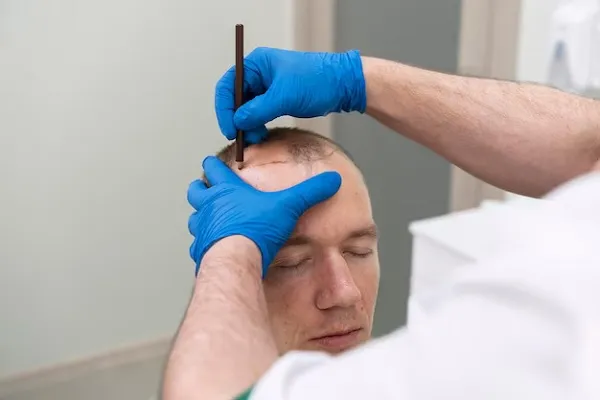
Reviewing hair transplant before and after images offers insight into the gradual transformation and helps set realistic goals. Additionally, knowing the average hair transplant fees allows patients to make informed decisions. Post-operative care is crucial—following guidelines ensures optimal growth and long-term satisfaction. While the journey may be slow, the outcome is often life-changing. With proper planning and expert guidance, patients can achieve lasting restoration and renewed confidence.
How is the process of how does hair grow after hair transplant?
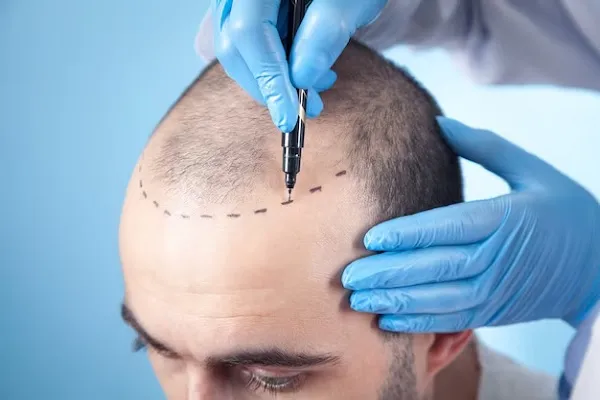
Embarking on the journey to understand how hair grow after hair transplant reveals a complex and fascinating biological process. After the procedure, the transplanted hair follicles enter a resting phase, during which the hair shafts may shed temporarily. This shedding is a normal part of the cycle and signals the follicles’ transition to the next phase of growth. Over the following weeks, new hairs begin to emerge from the dormant follicles, gradually thickening and gaining strength. Patience is key during this time, as visible results typically start to appear around three to four months post-surgery.
The process of hair growth after hair transplant continues with the hairs progressing through distinct phases: anagen (growth), catagen (transition), and telogen (rest). These cycles repeat continuously, allowing for natural regeneration and maintaining hair density over time. It can take up to a year for the full effects of the transplant to be visible, as the new hair fully matures and integrates seamlessly with existing hair. Understanding these stages helps patients appreciate the gradual but rewarding transformation that leads to a fuller, healthier-looking head of hair.
What is the shedding phase and why does it occur?
The shedding phase is a crucial part of the hair growth process that may initially seem counterintuitive but serves a vital purpose in the overall transformation. After a successful hair transplant, the first set of hair strands experiences a natural shedding phase. This shedding is necessary for several reasons. Initially, the transplanted hairs enter a dormant phase where the visible part of the hair above the skin is shed. This shedding is a normal response to the trauma of transplantation and allows the hair follicles to reset and prepare for new growth.
The shedding phase typically occurs within the first few weeks post-transplant. This period is crucial for paving the way for new, healthier hair to emerge. The dormant follicles awaken, and new hair begins to sprout from the transplanted grafts. The shedding phase is essentially a natural part of the healing and regrowth process. While it might be disconcerting to see the initial hair fall out, it is a positive sign that the hair transplant is progressing as expected.
The subsequent growth of new, stronger hair is a testament to the success of the transplant and marks the beginning of a fuller and more vibrant head of hair. Understanding and anticipating the shedding phase is an integral part of the overall journey towards achieving the desired results from a hair transplant. It is a temporary stage that ultimately contributes to the long-term success of the procedure, ensuring a natural and robust outcome.
What is the Anagen Phase and its characteristics?
The slow-growth phase, also known as the anagen phase, represents a crucial stage in the hair growth cycle marked by the gradual development and maturation of hair follicles. During this phase, hair cells divide rapidly, which actively contributes to the elongation of the hair shaft. The duration of the anagen phase varies from person to person and depends on factors such as genetics, age, and overall health.
On average, this phase lasts between two to seven years, determining the maximum length a hair strand can achieve. This phase is vital in understanding how hair grow after hair transplant, as transplanted follicles enter this active growth period to produce new hair.
While the slow-growth phase is generally a time of active growth, it eventually shifts into the catagen phase, which is a brief intermediate stage. In the catagen phase, the hair follicle regresses, causing hair growth to stop temporarily. Knowing how does hair transplant work helps explain that transplanted hairs follow this natural cycle, beginning with the anagen phase before growing thicker and longer over time.
Characteristics of the Anagen Phase
Understanding the anagen phase is essential for grasping how hair grows after a hair transplant. This phase is the active growth period for hair follicles, where new hair strands develop and strengthen. It plays a vital role in hair transplant success. The following points explain the key characteristics of this important phase.
1- Gradual follicular development
During the anagen phase, hair follicles undergo a gradual and continuous development process. This steady growth is fundamental for the regeneration of healthy hair strands. For those recovering from a transplant, this gradual development ensures that newly implanted follicles adapt well. This phase sets the foundation for strong and resilient hair growth.
2- Intensive cell division
Rapid and intensive cell division occurs within hair follicles in this phase, which actively supports the elongation of the hair shaft. Such intense activity is crucial after a FUE hair transplant, as it helps transplanted follicles establish themselves. The high rate of cell division fuels the visible hair growth that patients anticipate after the procedure. This biological process drives the restoration of natural hair density.
3- Moderate growth rate
The anagen phase features a moderate growth rate, typically around half an inch per month. This steady pace allows the hair to develop strength and maintain quality over time. After hair transplantation, this moderate growth supports healthy, natural-looking results. It is this measured growth that ensures long-lasting hair restoration success.
4- Variable duration and transition
The length of the anagen phase varies between individuals, influenced by genetics, age, and overall health. It can last anywhere from two to seven years, determining the maximum length hair can achieve. As the anagen phase ends, the hair follicle moves into the catagen phase, marking the start of regression and temporary cessation of growth.
How long does it take until the hair transplant is completed?
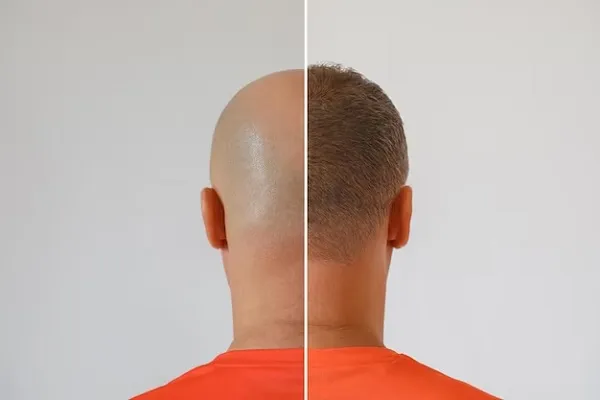
After undergoing a comprehensive hair transplant procedure and obtaining medical clearance 72 hours post-surgery, a meticulous journey into the realm of follicular growth begins. This intricate process is carefully guided by recommendations and advice provided by the patient’s medical team.
1- First days
In the initial three days following the intervention, a discernible reduction in swelling occurs. This marks the ideal moment for the removal of the protective bandage. Concurrently, small crusts—a natural part of the healing process—gradually disengage, completing this phase by the end of the second week post-operation.
2- Second month
Transitioning into the subsequent month, a closer examination reveals the gradual emergence of grafted follicles on the scalp. It is crucial to understand that this initial growth is not representative of the final appearance of one’s lifelong hair. Instead, it originates from the subcutaneous layer, fostering the ongoing development of hair in previously dormant areas. This intricate process ensures continuous growth where none existed before, ultimately contributing to a fuller and revitalised head of hair.
3- Third month
Witnessing the initial strands fall and make way for delicate new growth signals a successful transplant. The emerging hair, though thin, assures a positive outcome, setting the stage for anticipation as the strands mature and fortify. By this time, hair transplant fees are often justified by the visible progress. After three months, wearing caps or hats becomes hassle-free.
4- A year after the hair transplant
Results resembling what patients expect a year post-transplant start to manifest around the six-month mark. Initially, sparse coverage on the scalp transforms into lengthier, thicker, and sturdier strands, marking a clear and noticeable shift. Progress in acquiring robust, natural hair accelerates exponentially from the sixth month onward. The gradual pace witnessed earlier gives way to a swift and rewarding process, culminating in a full head of recovered hair 12 months post-intervention.
What factors influence how hair grows after a hair transplant?
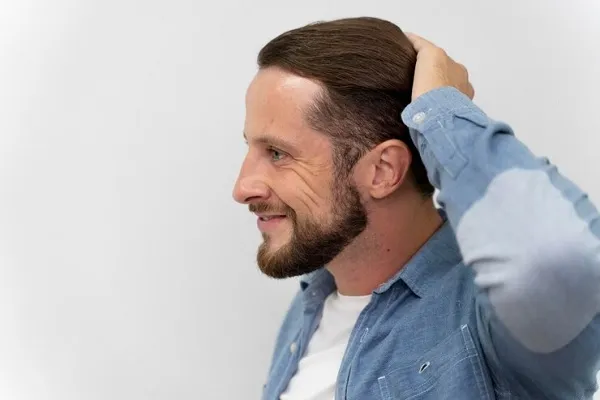
1- Genetic blueprint
Your genetic blueprint plays a crucial role in how hair grow after hair transplant procedures. This hereditary pattern determines individual hair density, growth rate, and susceptibility to conditions such as androgenetic alopecia. Genes influence the quality of hair follicles, their strength, and longevity. Understanding your genetic predisposition helps set realistic expectations for transplant results. It also guides surgeons in tailoring treatments to your unique hair characteristics.
2- Nutritional composition
A balanced diet rich in essential nutrients supports healthy hair growth and recovery after a transplant. Vitamins such as A, E, and D, alongside minerals like iron and zinc, provide the building blocks for strong hair follicles. Adequate protein intake is also vital, as keratin – the primary hair protein – depends on it. Poor nutrition can slow the hair grow after hair transplant process, leading to thinner, weaker hair. Supplementing your diet with specific nutrients can improve outcomes.
3- Hormonal dynamics
Hormones have a significant influence on the hair growth cycle. Changes during puberty, pregnancy, or menopause often cause fluctuations that affect hair strength and shedding. Conditions such as polycystic ovary syndrome (PCOS) also alter hormonal balance and can contribute to hair thinning. Managing these hormonal dynamics is essential to maintain healthy hair growth after a transplant. Addressing any endocrine imbalances can improve the success of your hair restoration.
4- Underlying health conditions
Several medical issues can interfere with hair growth after the hair transplant process. Thyroid disorders, autoimmune diseases, and nutritional deficiencies are common culprits. These conditions may disrupt hair follicle function and slow regrowth. Early diagnosis and treatment of these health problems are critical to supporting healthy hair. A comprehensive medical evaluation before your transplant can identify such factors, allowing for better preparation and improved results.
5- Psychological stressors
Stress has a powerful effect on hair health. When the body experiences prolonged psychological stress, it releases hormones like cortisol that disrupt the normal hair growth cycle. This disruption often leads to increased hair shedding, known as telogen effluvium. Managing stress through relaxation techniques, exercise, or counselling can promote better hair growth after hair transplant. Maintaining mental well-being is an important part of post-transplant care.
6- Hair care practices
How you care for your hair directly impacts its growth and quality. Excessive heat from styling tools, frequent chemical treatments, or wearing tight hairstyles can damage the hair shaft. This damage causes breakage and slows the hair growth after the hair transplant process. Adopting gentle hair care routines, such as using mild shampoos and avoiding harsh treatments, creates an ideal environment for new hair to flourish. Protecting the transplanted follicles is essential for long-term success.
7- Scalp health
A healthy scalp is the foundation for optimal hair growth. Issues like dandruff, seborrheic dermatitis, or an oily scalp can compromise follicle function and hair quality. Maintaining a clean, balanced scalp environment promotes circulation and nourishment to the hair roots. Using appropriate scalp treatments and hygiene practices supports the growth of strong, healthy hair after transplant surgery. Addressing scalp conditions early prevents complications.
8- Medications and treatments
Some medications can cause hair loss as a side effect, including chemotherapy drugs, anticoagulants, and certain hormonal treatments. Conversely, medications such as minoxidil and finasteride are designed to stimulate hair growth and improve transplant outcomes. It is important to discuss any current or planned medications with your surgeon. Combining medical treatments with your transplant can maximise hair growth and overall success.
9- Environmental exposures
Environmental factors also affect hair health. Pollutants, UV radiation from the sun, and extreme weather conditions can damage hair and scalp. These external stressors weaken hair follicles and slow hair growth after the hair transplant process. Using protective hats, applying UV protection products, and maintaining proper hair care reduce environmental damage. Awareness of your surroundings helps you safeguard your investment.
10- Lifestyle habits
Your lifestyle choices profoundly influence hair growth and quality. Smoking, excessive alcohol consumption, and poor sleep patterns negatively impact circulation and cell regeneration. These habits can hinder the hair grow after hair transplant and reduce the longevity of transplanted hair. Adopting a holistic, healthy lifestyle that includes a nutritious diet, regular exercise, and good sleep hygiene supports robust hair growth and overall well-being.

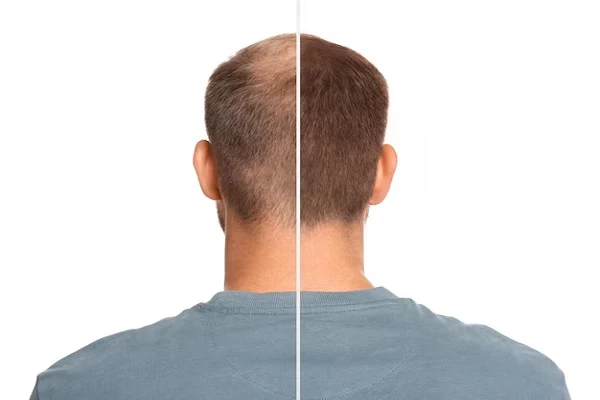
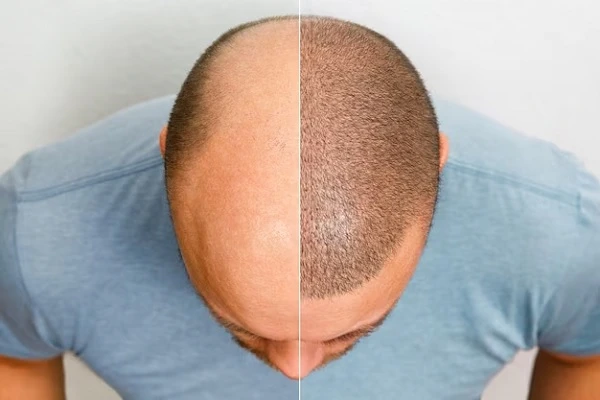
When considering a hair transplant, many patients want to see hair transplant before and after results to understand the transformation possible. These visual comparisons demonstrate how transplanted hair gradually grows and improves density over several months.
Conclusion
Hair grow after hair transplant is a gradual and natural process that requires patience and proper care. Understanding the different stages—from the initial shedding phase to the new hair growth—helps set realistic expectations. It’s important to remember that transplanted hair follicles need time to settle and adapt before they start producing strong, healthy hair.
Each person’s experience with hair growth after a transplant can vary, but following your surgeon’s advice and maintaining a healthy lifestyle will support the best possible results. Consistent care and avoiding stress on the scalp during the healing phase contribute to the success of the transplant. Patience is key, as visible growth usually begins around three to four months post-procedure.
As the months pass, you will notice your hair becoming thicker and fuller, reflecting the effectiveness of the grafting technique. With advancements in technology and expertise, modern hair transplants offer natural-looking outcomes that restore confidence and self-esteem. Monitoring progress and attending follow-up appointments ensures any concerns are addressed promptly.
In summary, hair grow after hair transplant unfolds over several months and demands a combination of time, care, and professional support. If you are considering a hair transplant and want expert guidance tailored to your needs, visit the website of Capilclinic.uk today. Our experienced team is ready to help you achieve lasting, natural results.
At Capilclinic, we’re trusted by thousands of patients in the UK and Europe as a leading Hair Transplant Clinic in Turkey and Spain, known for our expert doctors, advanced facilities, natural hairline results, and affordable all-inclusive packages. Reach out to our team today to start your transformation.