



If we asked people what their favorite part of their body was, many would choose their hair. Hair plays a significant role in defining our appearance through color, shape, texture, and length. There’s no harm in loving and prioritizing it. For this reason, people invest time and effort in its care. However, how much do we know about hair beyond its visible features? What factors influence its growth and density? And what can we do when hair growth diminishes? The key lies in understanding the hair follicle structure and associated diseases.
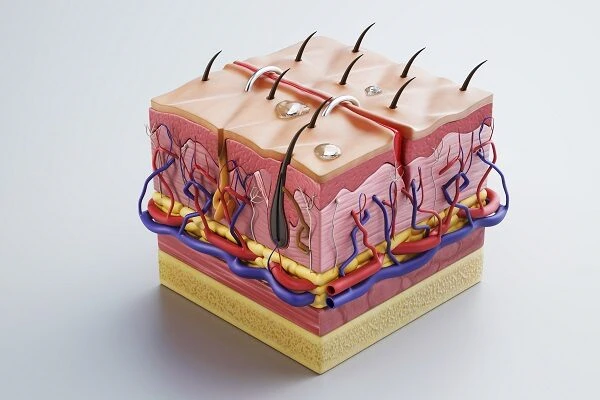
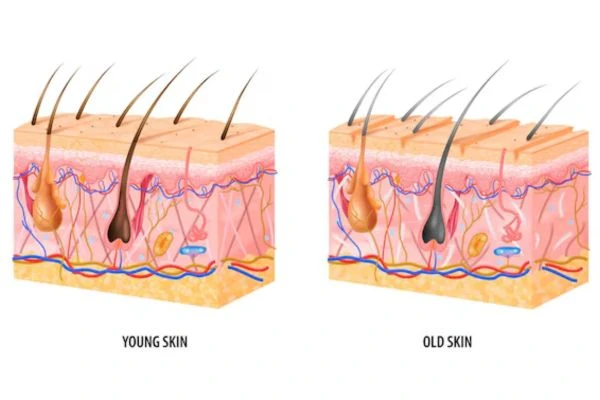
Hair follicles are intricate structures in the skin responsible for hair production and nourishment. Each follicle contains layers, including the hair bulb and sebaceous glands, contributing to hair health. However, damage or imbalance within the follicles can lead to alopecia, folliculitis, or hirsutism. These diseases can negatively impact hair growth and appearance. By learning about hair follicle structure and diseases, we can better protect and maintain healthy hair.
What’s a Hair Follicle?
Hair follicles are small openings in the skin that allow hair to grow. Each person has about a million follicles on their scalp alone, which produce the hair we see. Hair growth depends on genetics, health, hair care practices, and hairstyles. These factors influence not only the speed of development but also the overall health and appearance of the hair.
The shape of the hair follicle directly affects the texture of the hair. Oval-shaped follicles produce curly hair, while circular follicles result in straight hair. This structure is largely inherited, meaning you can often predict someone’s hair texture by looking at their parents. While heat tools and hair products can temporarily alter the hair’s shape, it will revert to its natural form once the treatments stop. When hair is pulled out, the follicle usually regenerates new hair, but excessive pulling can damage the follicle and lead to permanent hair loss in that area.
Why are hair follicles so important?
Undoubtedly, human hair is an essential part of the human body. It participates in defining appearance and identity. Apart from this, it also protects the scalp from harmful ultraviolet radiation from direct sunlight. However, the hair can’t carry out its functions of appearance, identity, and protection if it isn’t empowered by the functions of the hair follicles.
The hair follicles give structure, strength, and appearance to our hair. The health of the hair mostly depends on the health of the follicles. So, it’s essential to know that as we know our hair and care for it, we should also know and care for our hair follicles.
What damages the hair follicles?
Hair follicles are important organs in the body that are quite difficult to rectify if damaged. The following are three of the most dreadful things that cause damage to the hair follicle:
Folliculitis
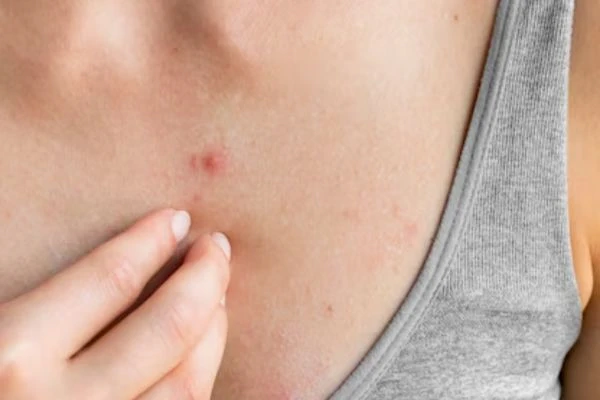
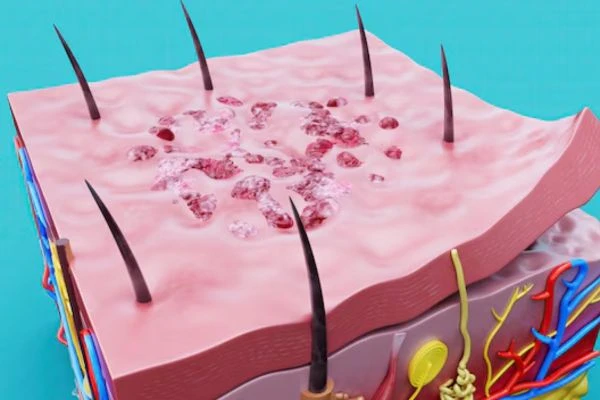
Folliculitis is a common skin condition characterized by inflammation around the hair follicles. Fungal or bacterial infections typically cause this inflammation. They trigger an immune response that results in the body’s immune cells attacking the hair follicles. Folliculitis can affect anyone, but it is most frequently seen in individuals who improperly wax or shave.
If left untreated, folliculitis can have severe implications for hair health. For instance, it can lead to the complete closure of the pores, potentially resulting in permanent hair loss. Symptoms of folliculitis include skin irritation, red bumps, pus-filled blisters, and crusty sores. It is essential to seek treatment promptly to prevent further complications and to promote healing.
Traction Alopecia
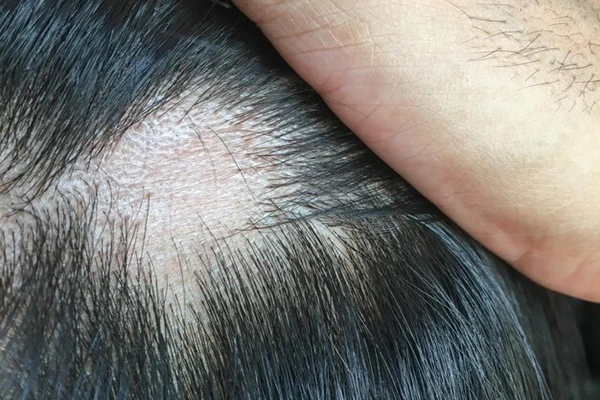
Traction alopecia is a type of hair loss that occurs when hair follicles are damaged due to constant pulling or tension on the hair. This often happens when people wear hairstyles that tightly pull the hair, especially around the scalp’s front, sides, and middle. The continuous tension and pulling can lead to breakage and gradual hair loss, resulting in traction alopecia.
It’s important to note that this type of damage is self-induced and physical. In addition to aggressive hairstyles, other factors that can contribute to traction alopecia include wearing tight headgear such as sports helmets or hats and using cosmetic hairpieces like wigs. These factors can all strain the hair follicles, leading to traction alopecia.
Hirsutism
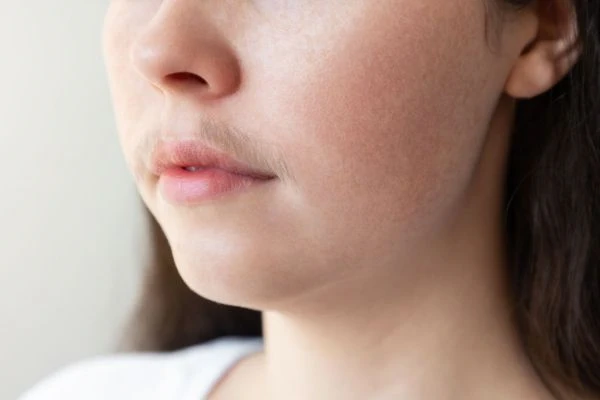
Hirsutism occurs when women experience excessive, male-pattern hair growth, often developing dark, coarse hair on the face, chest, back, and abdomen. This condition results from an overproduction of androgens, male hormones present in both men and women, though in smaller amounts in women. As these hormones increase, they trigger abnormal hair growth in areas typical for men. Hormonal imbalance is a key factor in this condition, affecting both appearance and self-esteem.
Several factors contribute to hirsutism, with polycystic ovary syndrome (PCOS) being the most common cause. PCOS leads to hormonal imbalances that promote excess androgen production, which results in unwanted hair growth. Other causes may include medications, adrenal gland disorders, or genetic predispositions. In cases where no clear cause exists, doctors diagnose idiopathic hirsutism.
Diagnosis involves a detailed medical history, hormone testing, and sometimes imaging. Treatment varies by severity but may include medications like birth control or anti-androgens and cosmetic solutions such as laser hair removal. Regulating hormone levels remains crucial for lasting results.
How to activate and regenerate hair follicles?
The activation and regeneration of damaged hair follicles depend on the severity of the damage. So, how can follicles be reactivated and regenerated, whether the damage is mild or severe?
Mild damage to hair follicles
If the damage to the hair follicles is identified at its early stage, there are several actions that can be taken to revive and promote hair health. Some of these measures include:
- Avoid Aggressive Hairstyling: Limit the use of heat styling tools such as straighteners and curling irons, as well as tight hairstyles that can cause stress and damage to the hair follicles.
- Reduce Exposure to Heat: Hot showers and excessive use of hair dryers can contribute to hair damage. Opt for lukewarm or cool water when washing your hair and minimize the use of heat styling tools.
- Limit the Use of Chemical Treatments: Harsh chemical treatments such as dyes, bleaches, and perms can weaken the hair and damage the follicles. Minimize the frequency of these treatments and consider more natural alternatives.
- Adjust Hair Washing Routine: Washing your hair every day can strip the scalp of its natural oils and lead to dryness and damage. Consider reducing the frequency of hair washing to allow the scalp’s natural oils to nourish and protect the hair.
- Scalp Care: Regularly clean the scalp to remove any buildup of folliculitis, which can hinder hair growth and contribute to follicle damage.
- Scalp Massage: Incorporate regular scalp massages into your hair care routine to improve blood circulation to the scalp and promote hair growth. Scalp massages can also help reduce the levels of dihydrotestosterone, a hormone linked to hair loss.
- Use Gentle Hair Products: Opt for organic or homemade hair products free from harsh chemicals and additives. These products can help maintain the scalp’s natural balance and minimize potential damage to the hair follicles.
Implementing these practices can help promote a healthy environment for hair follicles and support the revival and maintenance of healthy hair.
Severe damage to hair follicles
If the damage to the hair follicles is severe, the only chance of regeneration is a hair transplant. Over the past few decades, hair transplant procedures have become a popular and permanent solution to severe and mild hair loss. There are different types of hair transplants, but two of the most common ones are Follicular Unit Extraction (FUE) and Follicular Unit Transplant (FUT).
Follicular Unit Extraction involves removing individual hair follicles from an area with abundant hair growth to supply a bald spot. This technique is known for its precision and minimally invasive nature. On the other hand, Follicular Unit Transplantation involves removing a strip of scalp from a donor site on the head, which is then divided into individual grafts to be implanted in the balding area.
In addition to traditional hair transplants, there are other hair follicle care therapies that boast the same potency. For example, stem cell therapy is a promising option for hair regeneration. This innovative procedure involves removing a portion of the scalp where hair follicles are extracted and then replicated in a laboratory setting. These replicated follicles are then implanted into the areas where hair growth is desired, stimulating natural hair regrowth.
Faq’s
What is the structure of a hair follicle?
A hair follicle is a complex structure embedded in the skin, consisting of several key components. It includes the hair bulb, where hair growth begins, and the dermal papilla, which supplies blood and nutrients to the hair. Additionally, the follicle contains sebaceous glands that produce oil to keep the hair and skin moisturized. The shape of the follicle determines the texture of the hair—circular follicles produce straight hair, while oval follicles produce curly hair.
What are common diseases associated with hair follicles?
Several diseases can affect hair follicles, including alopecia, folliculitis, and hirsutism. Alopecia leads to hair loss and can be caused by genetic factors, hormonal changes, or autoimmune responses. Folliculitis is an infection of the hair follicles, resulting in inflammation, redness, and discomfort. Hirsutism involves excessive hair growth in women due to elevated androgen levels and can be linked to conditions like polycystic ovary syndrome (PCOS).
How can I maintain healthy hair follicles?
To maintain healthy hair follicles, practice good hair care habits. This includes using gentle shampoos and conditioners, avoiding excessive heat styling, and maintaining a balanced diet rich in vitamins and minerals. Additionally, managing stress levels and addressing hormonal imbalances can help promote healthy follicles. Regular scalp massages can also enhance blood circulation, providing nutrients to the hair follicles and encouraging growth.
Conclusion
Understanding hair follicles and their influence on hair health reveals that caring for hair goes beyond styling. Each follicle plays a vital role, impacting hair growth and overall scalp health. While mild damage to follicles can often be reversed with careful hair care practices, severe damage may require advanced solutions, like hair transplants or emerging therapies like stem cell treatments.
Ultimately, knowing how to maintain and protect hair follicles helps preserve the hair’s strength and appearance, supporting a proactive approach to both hair health and beauty.