



With hair loss remaining one of the most common occurrences among adults today, there have been arrays of solutions to combat it. These solutions include restoration surgeries like hair transplants, drug-centered treatments like minoxidil and finasteride, permanent and temporary concealers, etc. Each has its peculiarities, advantages, and factors that make it suitable for so many patients. However, a new temporary solution has been discovered to meet the needs of individuals who have tried all the mentioned treatments without success. But have you ever heard about tricopigmentation?
This option offers a way to address issues like hair thinning, baldness, alopecia areata, and alopecia totalis. Additionally, it can help manage conditions such as post-surgical scars and other hair-related concerns. This solution provides a temporary fix for those seeking relief when other treatments have failed. If you’re wondering what capillary tricopigmentation is, you’re at the right place to find out. In this article, we’ll discuss everything you need to know about capillary tricopigmentation.
What is tricopigmentation?
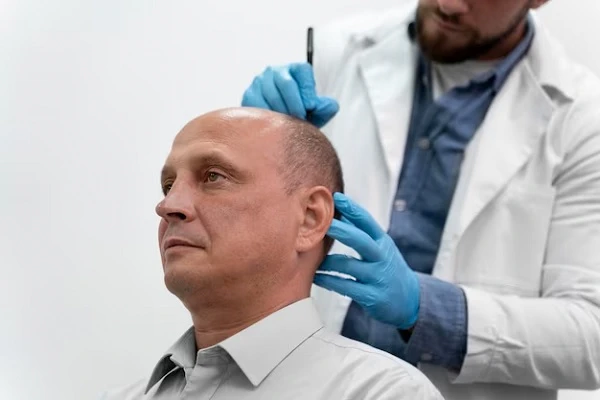
Tricopigmentation is a specialized form of scalp micropigmentation (SMP). It is designed to mimic the appearance of hair follicles on the scalp. It involves the application of biocompatible pigments to the scalp using fine needles, creating tiny dots that resemble the look of shaved hair or a denser hairline. This technique is often used to treat conditions such as hair thinning, alopecia, or baldness, providing a non-surgical solution for individuals seeking a fuller hair appearance.
The procedure is customizable, allowing specialists to adapt the pigmentation’s density, color, and shape to suit the patient’s natural hair and skin tone. This treatment can be applied to fully bald areas or used to enhance areas with thinning hair. Tricopigmentation is minimally invasive, requires little downtime, and can be ideal for those who want a natural-looking hairline without surgery.
Hair Loss and Tricopigmentation
Hair loss is an appearance-damaging condition that’s very noticeable. It attracts focus to itself, blocking every other noticeable thing about a person. Even though it’s overlooked, it still carries some form of stigma with it. As a unique addition to existing treatment options, tricopigmentation was created to counteract the harsh effect of balding and other forms of hair loss. It is non-invasive and very flexible. Depending on their wishes, the patient can repeat the same process with some modifications.
An indication of its flexibility is that it gives patients visual evidence of the outcome before the procedure. It also allows for annual maintenance, ensuring the best possible outcome is still met. This maintenance involves an evaluation of the pigments and how firmly installed they are. With it, you can regain your self-confidence and significantly improve your overall appearance. How exactly is this performed?
How is Tricopigmentation performed?
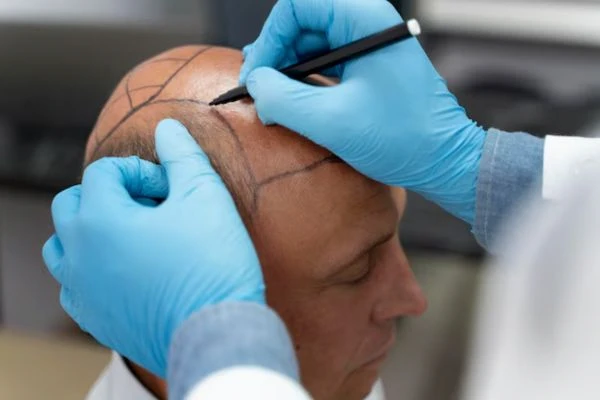
The processes involved in capillary tricopigmentation are straightforward. First, before anything is done, the physician is required to conduct a compatibility test of the organic pigments and the patient. Once there’s a significant level of compatibility, the chances of allergies are eliminated even before the procedure is performed.
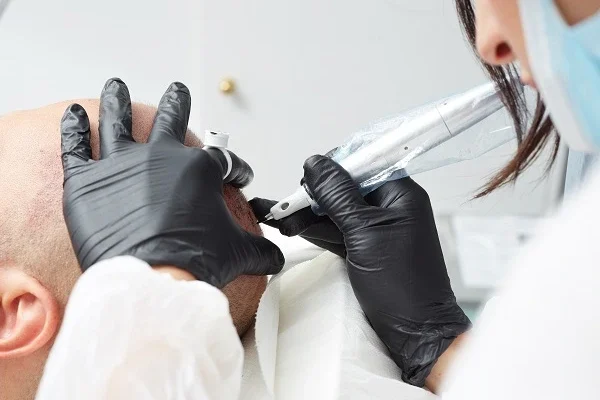
After this, the physician makes designs on the bald area depending on the patient’s demand. Then, the organic pigments are prepared. These pigments must be of the highest quality and must be approved to bring the perfect color of the patient’s existing hair. Finally, the pigments are deposited in a punctiform manner through a unique instrument that resembles a tattoo drawing machine.
How long does tricopigmentation treatment take?
The process is done in sessions depending on how severe the patient’s hair loss is. However, the ideal number of sessions is between two to three. Therefore, the first two sessions are done consecutively, while the third session is postponed to the 30th day after the first two sessions. The essence of this is to ensure a perfect result of hair loss coverage and visual improvement of hair density.
The duration of each session depends on some factors, including the size of the patient’s head, the size of the bald area, the particular objective to be achieved, and the physician’s skills. However, every session lasts between 2 to 4 hours. With all these in mind, it’s important to note that as a very recent technique, research is still ongoing on tricopigmentation on ways to make it better even as a temporary solution.
What are the functions of tricopigmentation?
The following are some of the things tricopigmentation addresses:
Corrects arrays of Alopecia
Alopecia can be difficult to deal with, especially if it’s alopecia totalis or alopecia areata. While treatment options are to correct it, tricopigmentation is a worthy and much cheaper alternative.
It replaces lost hair density
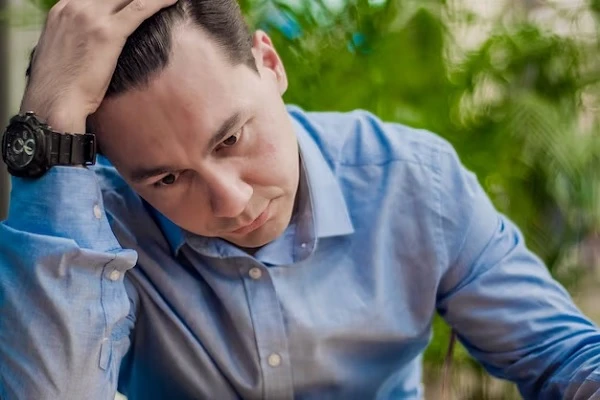
The beauty of hair is in its fullness, but once thinning begins, the hair automatically loses this beauty. This is one of the problems tricopigmentation addresses. It does this by simulating the missing hair density. This way, the hair’s beauty is temporarily restored.
It conceals scars
Whether the patient has scars from a failed hair transplant or a random scar on the head, tricopigmentation effectively hides these scars. No matter how terrible they look, it only requires an excellent physician to be concealed seamlessly with the best outcomes.
It reconstructs the hairline
Tricopigmentation also helps restructure a hairline in recession. So whether the patient desires to bring the hairline back to the initial position or extend it further, tricopigmentation can easily bring the most desirable results.
What are the advantages of Tricopigmentation?
The following are some of the upsides of choosing tricopigmentation:
It’s quite affordable
Tricopigmentation is generally an affordable option due to the relatively low cost of the procedure and the fact that it is temporary. However, it’s important to keep in mind that tricopigmentation requires regular maintenance, typically needing to be renewed at least every two years.
If you value flexibility and enjoy trying out different styles, tricopigmentation could be the perfect choice for you. Its temporary nature allows you to make changes as your preferences evolve, making it a convenient option for those who like to switch things up from time to time.
It’s easily removable
Remember that tricopigmentation is a semi-permanent solution, and it may start to fade after a year or two. However, this doesn’t mean that you should settle for subpar results. It’s crucial to choose a highly skilled and experienced professional to ensure that you achieve the best possible outcome. By selecting the right physician, you can maximize the longevity and effectiveness of the tricopigmentation procedure, ultimately achieving the most desirable results for your hair.
It’s fast
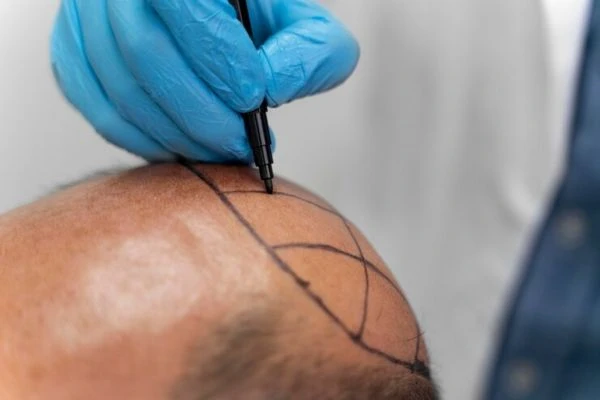
Tricopigmentation is a rapidly growing aesthetic solution that has gained popularity due to its efficiency and effectiveness. Unlike other treatments, tricopigmentation requires minimal time commitment, with each session typically lasting between 2 to 4 hours. This makes it an attractive option for individuals with busy schedules who are seeking a quick and reliable solution to their aesthetic needs.
Types of Tricopigmentation: Temporary vs. Permanent options and Customizable styles
Tricopigmentation is a versatile solution that offers both temporary and permanent options, catering to individual needs and preferences. The temporary method involves using biocompatible pigments that typically last between 1 to 3 years. This option allows clients to adjust their look as their hair loss progresses or as personal style preferences change, providing a solution that is both flexible and adaptable to their evolving needs.
When choosing the permanent option, it’s important to consider that it involves the use of more durable pigments that are designed to last several years with minimal fading over time. This provides individuals with a long-lasting solution, offering them the confidence and security of a result that will endure. The permanency of this option may be particularly appealing to those who are looking for a lasting remedy for hair loss, as it offers the assurance of sustained results.
Tricopigmentation offers a range of notable advantages, with one of the most significant being its exceptional level of customization. This process allows highly skilled specialists to meticulously tailor the density, color, and pattern of the pigmentation to precisely match a client’s natural hair. Additionally, they can also create specific styles to meet the individual preferences of each client. This ensures that every person receives a personalized and natural-looking result that is seamlessly integrated with their existing hair.
Side effects, Downtime, and post-procedure care tips
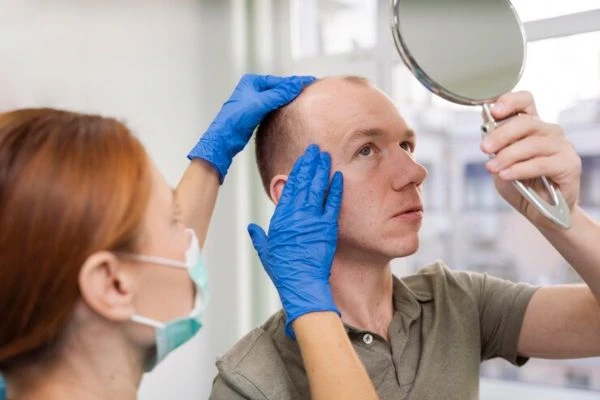
Tricopigmentation is generally considered a safe procedure, but like any cosmetic treatment, it may have some side effects. Common side effects include mild redness, swelling, or sensitivity in the treated area. These symptoms typically subside within a few hours to a couple of days. In rare cases, individuals may experience allergic reactions or infections, so it’s crucial to choose a qualified practitioner.
Downtime after the procedure is minimal, allowing most people to return to their daily activities immediately. However, it is advisable to avoid strenuous exercise, excessive sweating, and direct sun exposure for at least a week to minimize irritation and ensure optimal healing.
Post-procedure care is essential for achieving the best results. Clients should avoid washing the scalp for the first 48 hours to allow the pigment to settle properly. After that, gentle cleansing with mild, sulfate-free shampoos is recommended. Additionally, clients should keep the scalp moisturized and protected from the sun using SPF or hats to prevent fading. Following these care tips will help ensure the longevity of the results and maintain the health of the scalp.