



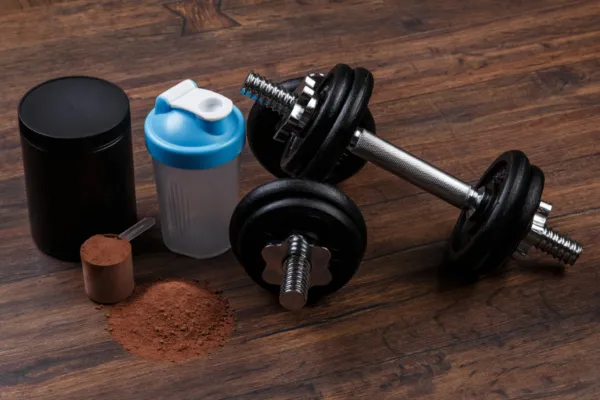
If you’ve ever noticed more hair in the shower drain during a tough training phase, you’re not alone and it’s easy to start blaming your supplements. Gym staples like creatine and protein powder are sometimes linked to hair loss in fitness circles and online forums. But how much of this is grounded in science? And how much is gym-floor myth?
The reality is more nuanced than the rumors suggest. While hair shedding can feel alarming, it’s often tied to temporary triggers like stress, illness, or under-eating—especially during intense training periods. The supplements themselves? Most of the time, they’re not the culprit.
Let’s take a closer look at how creatine and protein intake actually interact with hair health, based on current research and what we know about how hair grows.
How Hair Grows and Why We Shed
Hair doesn’t grow in a straight line it follows a cycle with three main phases:
- Anagen (growth)
- Catagen (transition)
- Telogen (resting/shedding)
At any given time, most of your hair is in the anagen phase. When your body experiences a shock, whether physical or emotional, it can push a larger percentage of hairs into the telogen phase. This phenomenon is called telogen effluvium (TE), and it’s one of the most common causes of sudden, noticeable shedding.
What’s tricky is the delay: TE typically starts 2 to 4 months after the triggering event. This lag makes it easy to blame something new in your routine, like a supplement, when the real cause might be further in the past, an illness, crash diet, or a major stressor.
The Truth About Creatine and Hair Loss
Where the Concern Comes From
The idea that creatine causes hair loss largely stems from a 2009 study involving rugby players. In that trial, participants who took creatine showed a short-term increase in DHT (a hormone associated with androgenetic hair loss in genetically susceptible individuals). The study was small, didn’t track hair changes, and hasn’t been replicated, yet it led to years of speculation.
What Newer Research Tells Us
More recent, high-quality studies paint a very different picture. In a 2025 randomized controlled trial by NIH, researchers directly measured hormone levels and hair characteristics in men taking creatine over 12 weeks. They found no differences between the creatine and placebo groups, not in DHT, not in hair density, and not in hair thickness.
This is supported by broader reviews of creatine safety, which consistently show no link between creatine use and hair shedding when taken at typical doses (3–5 grams per day).
Bottom Line on Creatine
If you’re lifting hard and using creatine responsibly, current evidence suggests it won’t impact your hair. For those genetically prone to hair thinning, creatine hasn’t been shown to make things worse.
Protein Powders and Shedding
Why Hair Needs Protein
Hair is made mostly of keratin, a structural protein. So it’s no surprise that protein intake is important for supporting healthy hair growth. In fact, inadequate protein, especially during periods of heavy training or restrictive dieting, can lead to increased shedding.
Are Protein Shakes a Problem?
Despite some anecdotal claims, there’s no solid clinical evidence that whey or plant-based protein powders cause hair loss in healthy adults. When shedding happens during a training block, it’s more often due to:
- Caloric deficit
- Rapid weight loss
- High stress
- Illness or recovery
In other words, it’s not the shake,it’s what’s going on around it.
Not All Proteins Are the Same
Some supplements marketed for hair growth like marine-based protein blends have shown promise in specific studies, especially in women with thinning hair. But these are not the same as your average gym whey or pea protein. The benefits of these targeted nutraceuticals shouldn’t be confused with typical sports supplements.
Things to Consider if You’re Seeing Extra Shedding
Before blaming creatine or protein, ask yourself the following:
- Have you been sick, stressed, or dieting in the last 2–3 months?
These are common triggers for telogen effluvium. - Are you eating enough especially protein and calories?
Undereating during a cut can quietly affect hair. - Any recent changes in medications or hormones?
Retinoids, thyroid shifts, or postpartum changes can also lead to shedding. - Still concerned about creatine?
Try pausing it for 8–12 weeks. While evidence shows it’s unlikely to be the cause, tracking changes can give you peace of mind.
If you are not sure how much hair shedding in a day is normal, this guide by Capilclinic, a leading hair transplant clinic in Istanbul, Turkey, can be very helpful.
Key takeaways
There’s a lot of misinformation floating around about gym supplements and hair health. But here’s what current science supports:
- Creatine is safe for your hair and doesn’t increase DHT in real-world use.
- Protein is essential for hair growth, but the type used in sports nutrition hasn’t been shown to cause shedding.
- Shedding is often tied to lifestyle or nutritional stress, not supplements.
If you’re noticing more hair fall than usual, zoom out. Consider your diet, stress, and overall health first. Most of the time, your shaker bottle isn’t to blame.
Medical information here is educational, not a substitute for personal medical advice. If you have shedding or scalp symptoms, please consult your clinician.
At Capilclinic, we’re trusted by thousands of patients in the UK and Europe as a leading Hair Transplant Clinic in Turkey and Spain, known for our expert doctors, advanced facilities, natural hairline results, and affordable all-inclusive packages. Reach out to our team today to start your transformation.