



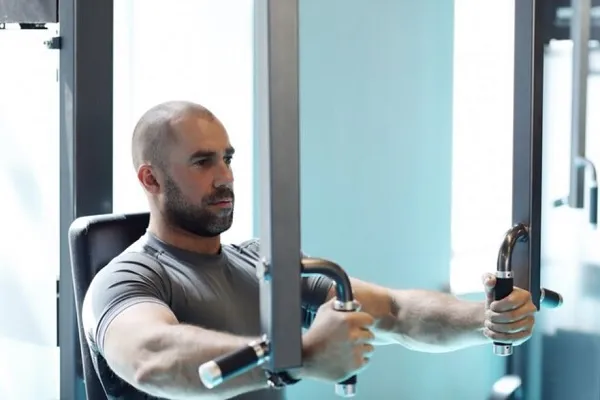
Gym after hair transplant is a topic of growing interest for patients considering this popular cosmetic procedure, especially those who wish to return to their normal routines quickly. Hair transplant surgery involves taking hair from a donor area, usually the back or sides of the head, and implanting it in areas affected by hair thinning or baldness. The technique is widely practised in various regions, with the hair transplant Antalya industry gaining significant international attention for its affordability and high standards.
While the surgery is generally safe and effective, its success depends greatly on following strict pre- and post-operative guidelines. One crucial element in preparation is avoiding alcohol and cigarettes, as these substances impair the body’s ability to heal properly. This can significantly reduce the effectiveness of the transplant and lead to poor outcomes. For those seeking the best hair transplant clinic Turkey offers or exploring options like a London hair transplant clinic, knowing what to avoid before surgery is essential.
Patients often ask, “How does a hair transplant work?”, and the answer lies not just in the surgical steps, but in the preparation as well. The hair follicles are carefully extracted and then implanted into the target area with precision to ensure natural-looking growth. However, this process requires the body to recover efficiently, which is compromised if harmful substances are consumed beforehand.
Preparing properly before a transplant is just as important as the procedure itself. This includes avoiding habits that hinder recovery and decrease the chances of optimal results. So if you’re asking yourself when you can go to the gym after hair transplant , remember: it starts with taking the right steps long before surgery day.
When to return to the gym after hair transplant?
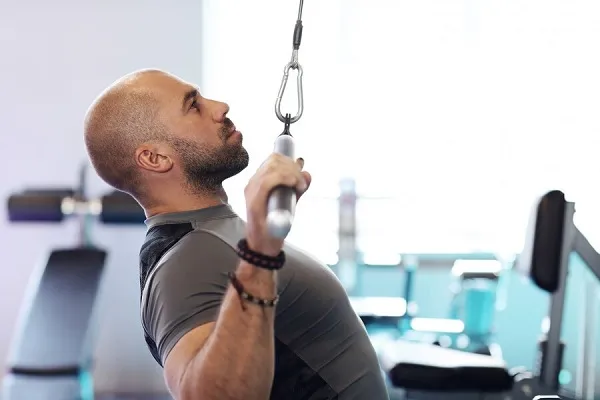
A common concern patients have is when they can return to exercise after surgery. While exercise is an important part of many people’s daily routine, it is necessary to take precautions after a medical procedure. The answer to when you can go back to the gym after hair transplant depends largely on the type of exercise and healing progress.
The timing to resume exercise after hair transplant surgery may vary depending on the individual case. Also, from the specific instructions given by the surgeon. In general, patients are advised to avoid the gym after hair transplant and strenuous physical activity for at least two weeks after surgery. This includes activities such as weight lifting, running, and other high-intensity exercises. In these early stages, understanding how does a hair transplant work helps patients make more informed decisions about recovery.
Patients can resume light exercise after one week. But it’s important to check with your surgeon to make sure it’s safe to do so. Patients should also avoid any activity that may cause sweating. As hot yoga or sauna use, for at least two weeks after surgery. This helps prevent irritation or infection in the transplanted area, which is still sensitive and healing.
It is important to follow these guidelines to ensure a successful outcome after hair transplant surgery. Patients should also consult with their surgeon for any other specific instructions or concerns they may have. With proper care and follow-up, hair transplant surgery can be an effective solution for hair loss.
When can you exercise after a hair transplant?
Getting back into an exercise routine after a hair transplant must not be rushed. Physical activity can interfere with healing and affect the grafts. Therefore, knowing the right time to return to the gym is critical. The ideal timeframe depends on the type of procedure and how well you’re healing. Generally, experts advise avoiding strenuous effort for at least four weeks. Below is a breakdown of each recovery stage.
1- Avoid exercise for the first 5 days
In the first five days following surgery, it’s vital to avoid all physical activity. This phase is crucial for the grafts to settle and for preventing infection. Sweating can irritate the scalp and slow the healing process.
It’s also important to protect the head from sun exposure and any physical impact. During this period, rest and proper hygiene are essential. Avoiding tight hats or touching the transplant area helps reduce risks.
2- Start with light walking
After the first five days, patients can begin with light physical activity. Gentle walking for short durations is a good way to stay active without endangering the grafts.
It’s important to walk in shaded or cool areas to avoid sweating or overexertion. This stage helps reintroduce movement in a safe and controlled manner, promoting overall recovery.
3- Resume moderate exercise after 10–14 days
Between 10 and 14 days post-surgery, most patients will have passed the critical healing phase. At this point, it is generally safe to reintroduce moderate exercise, avoiding anything that causes strain to the scalp.
Starting with reduced intensity is advisable. Low-impact cardio or routines without physical contact are ideal options. This gentle transition supports stable recovery without disturbing the transplanted area.
4- Avoid heavy lifting and stretching
Even when moderate activity is allowed, weightlifting or intense stretching can be harmful. These types of exercises increase pressure on the scalp and may cause grafts to dislodge or lead to scarring.
It is essential to wait until the scalp is completely healed before attempting such activities. If you’re unsure when to restart these exercises, consult your surgeon for personalised advice.
5- Resume full gym after hair transplant after 4 weeks
After four weeks, if there are no complications, most patients can return to their full workout routine. However, it is still necessary to get approval from your hair transplant specialist.
By this stage, the grafts should be secure and the risk of damage significantly reduced. Even so, returning to exercise gradually is recommended to ensure a smooth transition and lasting results.
6- Monitor shedding and healing
It is entirely normal to notice some shedding of transplanted hair during the initial recovery weeks. This is known as “shock loss” and is a natural part of the hair growth cycle.
It should not be mistaken for transplant failure. New hair will begin to grow shortly after. Regular follow-ups with your clinic will help ensure everything is healing as expected.

If you’re considering a procedure, it’s wise to consult a London hair transplant clinic for professional guidance. In the sections below, you’ll find practical details about returning to the gym after hair transplant and how to care for your scalp during recovery.
What are the risks of going too soon to the gym after a hair transplant?
Understanding the importance of post-operative care is essential for those considering a gym after hair transplant. While staying active is beneficial for overall health, returning to intense physical activity too quickly can have adverse effects on your recovery. After undergoing, for instance, a hair transplant Antalya, patients often feel eager to resume normal routines, but it’s vital to allow the scalp sufficient time to heal before heading back to the gym.
Hair transplant surgery involves delicate graft placement, which requires time to settle and root securely. Rushing back to physical activity too early increases the risk of complications and could compromise the final results. Here are some of the risks of exercising too soon after a hair transplant, which you should carefully consider before resuming workouts:
1- Displacement of grafts
Newly transplanted grafts are fragile and can shift if subjected to early movement, especially during the first two weeks post-surgery. Any intense activity, especially involving sudden head movements or bending over, could dislodge grafts and result in permanent loss of hair in those areas.
Contact sports or exercises such as running, cycling, or weight training should be strictly avoided during the initial recovery period. The best hair transplant clinic Turkey experts often recommend resting as much as possible during this time to protect the new grafts and ensure successful integration into the scalp.
2- Increased bleeding and swelling
Physical exertion naturally increases blood flow, heart rate, and blood pressure. This heightened circulation can lead to swelling of the scalp, increased bleeding, and general discomfort, particularly in the area where grafts were implanted.
Sweating intensifies the problem, as it can accumulate in the surgical area and interfere with healing. To reduce these risks, avoid any strenuous workouts or activities like heavy lifting, high-intensity interval training (HIIT), or hot yoga during the first couple of weeks after the hair transplant procedure.
3- Infection
During recovery, the scalp remains sensitive and vulnerable to infection. Sweat can clog pores and mix with bacteria, potentially irritating the surgical site and introducing harmful microbes. This may result in redness, swelling, and even pus, all of which jeopardise the transplanted follicles.
To protect your scalp, maintain excellent hygiene and avoid environments that cause heavy perspiration, such as crowded gyms or outdoor summer workouts. It’s equally important not to touch, scratch, or wipe your scalp with dirty hands or towels during this period after your gym after hair transplant recovery begins.
4- Scarring
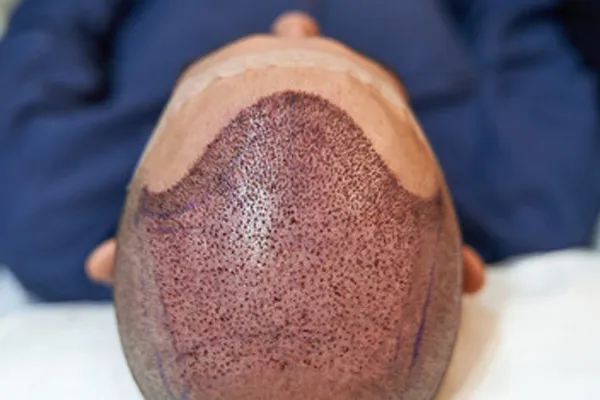
Engaging in physical activity too soon can put undue pressure on the scalp, causing tension in the donor or recipient areas. This tension may lead to widened or raised scars, making the hair transplant appear unnatural or even drawing attention to the surgery itself.
Even gentle stretches or head tilts can place stress on healing skin. Patients recovering are usually advised to reintroduce physical activity gradually and only after receiving clearance from their surgeon. This measured approach helps preserve the cosmetic results and prevents unnecessary scarring.
Conclusion
Gym after hair transplant is a common concern for many patients eager to resume their fitness routines. It is crucial to follow the recommended recovery guidelines to ensure the best results and avoid complications. Avoiding strenuous exercise during the initial healing phase helps protect the transplanted grafts and reduces the risk of infection or damage.
After the first two weeks, most patients can gradually reintroduce light workouts, but high-intensity training or heavy lifting should still be avoided until the scalp is fully healed. Listening to your body and consulting your surgeon before returning to the gym is essential. Each individual’s recovery time may vary, so personalised advice is always best.
Taking proper care during the recovery period not only supports hair growth but also ensures that the transplant results remain long-lasting and natural-looking. Maintaining a healthy lifestyle with balanced nutrition and appropriate exercise complements the healing process.
If you are considering a hair transplant and want expert advice on gym after hair transplant or any other aspect of your recovery, please visit the website of CapilClinic.uk. Our experienced team is here to guide you through every step of your hair restoration journey.
At Capilclinic, we’re trusted by thousands of patients in the UK and Europe as a leading Hair Transplant Clinic in Turkey and Spain, known for our expert doctors, advanced facilities, natural hairline results, and affordable all-inclusive packages. Reach out to our team today to start your transformation.