



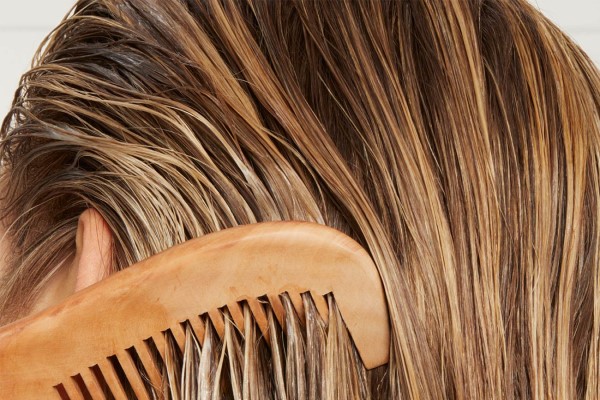
When confronted with the distressing issue of hair loss, it’s only natural to feel a sense of alarm and an urgency to find answers. Could it be the particular brand of shampoo you’re using? Or is it related to your dietary choices or the tightness of your ponytail? While these factors may indeed play a role in hair loss, one often overlooked possibility is an oily scalp. Surprisingly, the condition of your scalp plays a vital role in the overall health of your hair. Thus, it is crucial to delve into the reasons behind this connection. Let’s explore further!
You may also be interested: Formaldehyde To Straighten Hair
Decoding the Mystery of Oily Hair
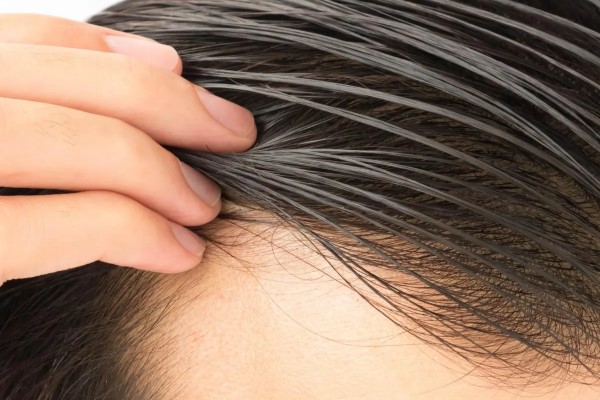
Just like the skin on the rest of your body, your scalp is home to sebaceous glands—small glands that produce oil and wax. This natural oil, known as sebum, not only helps to keep your skin moisturized but also plays a crucial role in maintaining the hydration of your hair. However, when these sebaceous glands become overactive and produce an excess of oil, your hair and scalp become excessively greasy. While this may initially seem harmless, the surplus oil can clog the pores on your scalp, leading to the obstruction of hair follicles and impeding normal hair growth. Consequently, you may experience rapid hair loss.
Identifying the Culprits Behind Excessive Oil Production
Numerous factors contribute to the overproduction of oil by sebaceous glands. Among them, fluctuating hormones stand out as a widely recognized leading cause. Hormonal imbalances, particularly in relation to androgen hormones such as dihydrotestosterone (DHT), can disrupt the normal functioning of sebaceous glands, leading to increased oil production. Interestingly, stress can also influence hormone balance in both men and women, making it a noteworthy contributing factor to an oily scalp.
Moreover, certain dermatological conditions can exacerbate oil production and contribute to an oily scalp. Conditions such as psoriasis, characterized by an accelerated skin cell turnover, can lead to the accumulation of dead skin cells on the scalp, clogging hair follicles and promoting excessive oil production. Similarly, seborrheic dermatitis, a common scalp condition characterized by redness, flaking, and itching, can disrupt the normal functioning of sebaceous glands and result in an oilier scalp.
Exploring the Link Between Greasy Scalp and Hair Thinning
Unraveling the mystery of whether an oily scalp and thinning hair are connected has long puzzled experts. Some firmly believe in a definite correlation, while others remain skeptical, suggesting that these two conditions may simply coincide without any direct relationship. The scientific evidence is scarce and inconclusive, leaving the matter unresolved.
What experts do know is that when your scalp produces excessive oil, the sebaceous glands are working overtime. This can lead to blocked pores and a greasy scalp, compromising the overall health of the scalp. An oily and greasy scalp becomes a breeding ground for dirt, sweat, debris, and pathogens. Additionally, it can accumulate dead skin cells and contribute to distressing scalp conditions such as folliculitis.
While it remains uncertain whether the connection between an oily scalp and hair thinning is the primary cause of your hair shedding, it is crucial to manage excess oil production effectively.
The Role of an Oily Scalp in Hair Loss
An oily scalp does play a role in hair loss, although it is often not the sole culprit. Excessive oil can trap and attract dirt, dandruff, and product residue, leading to clogged pores and impeding new hair growth. Moreover, the hormone DHT, which is linked to hair loss in men over 50, can cause an oily scalp while also shrinking hair follicles.
If you struggle with an oily scalp or greasy hair, there’s no need to panic! Several simple measures can help prevent hair loss caused by excessive oiliness. Staying hydrated by drinking plenty of water, maintaining a healthy diet, and managing daily stress levels can all contribute to balancing the hormones responsible for excess oil production.
Effectively Managing Scalp and Hair Health
To address both an oily scalp and thinning hair simultaneously, it is necessary to adjust your hair and scalp care routine to regain control over excessive sebum production.
Your scalp’s ecosystem relies on a delicate balance of nutrition and hygiene to support the natural hair cycle. By creating favorable scalp conditions, you can promote healthy hair follicles and reduce excessive hair fall. Additionally, adopting good hair care practices can help prevent the overproduction of sebum and the resulting clogged pores.
Effective Home Remedies for Managing Scalp Conditions
Maintaining a balanced and healthy scalp is achievable with simple home care treatments. By adopting these easy methods, you can normalize your scalp conditions and control excessive oil production. Let’s explore some practical steps to improve your scalp health.
Apple Cider Vinegar Solution
Gently dabbing diluted apple cider vinegar on your scalp can work wonders. This natural remedy helps regulate oils and promotes a healthier scalp. Remember to dilute it with water to avoid any potential irritation.
Avoid Overwashing
While it may seem counterintuitive, overwashing your hair can actually worsen the problem. Excessive washing strips away natural oils, causing your scalp to compensate by producing even more oil. Therefore, try to limit your hair washing sessions to maintain a balanced oil level.
Minimize Heat Styling and Scalp Stimulation
Excessive heat styling and frequent scalp stimulation can stimulate sebum production, leading to oily hair. It’s advisable to reduce the use of heat styling tools and avoid overstimulating your scalp. This way, you can prevent the overproduction of oils.
Dry Shampoo for Thinning Hair
If you have thinning hair, consider using a dry shampoo between regular shampoo sessions. Dry shampoo helps absorb excess oil, making your hair appear fresher and fuller.
Consult a Dermatologist
For persistent scalp issues, it’s essential to seek professional advice. Schedule a consultation with a dermatologist who specializes in scalp health. They can provide personalized recommendations and guidance based on your specific needs.
Balanced Diet for Hair Health
Maintaining a well-balanced diet plays a crucial role in promoting healthy hair. Include foods rich in biotin, which is known to support hair health. Eating a variety of nutritious foods contributes to overall scalp wellness.