




Alopecia is a medical condition characterized by partial or complete hair loss from the scalp, face, and other body parts. It is a complex and multifaceted disorder with different genes that cause alopecia. In the end, the effect of alopecia can be profound, as it can lead to social stigma, psychological distress, and a reduced quality of life for those affected.
Additionally, the prevalence of alopecia varies widely across different populations and demographics. It is estimated that genes that cause alopecia affect approximately 2% of the global population, with a higher incidence in certain ethnic and age groups. As said before, it can significantly impact a person’s physical appearance, self-esteem, and overall quality of life.
What are the genes that cause alopecia?
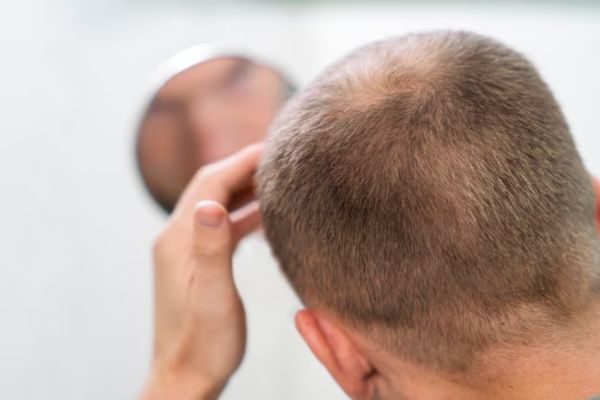
Alopecia emerges from the interaction of genetic factors that regulate hair growth, follicle structure, immune responses, and hormone sensitivity. Various genes that cause alopecia significantly impact how hair develops and how the body reacts to disruptions in normal hair growth patterns.
Hormonal regulation genes
- AR (Androgen Receptor)
The AR gene is critical in androgenetic alopecia, a common type of hair loss. It influences how the body responds to dihydrotestosterone (DHT), a hormone derived from testosterone. Variations in this gene increase sensitivity to DHT. As a result, affected individuals may experience follicle shrinkage, leading to hair thinning and eventual loss.
- SRD5A2
The SRD5A2 gene encodes an enzyme that converts testosterone into DHT. This conversion directly affects DHT levels in the body. Elevated DHT levels can weaken hair follicles, increasing the risk of androgenetic alopecia.
Immune system genes
- HLA (Human Leukocyte Antigen)
The HLA gene is crucial in immune system regulation. It helps the body distinguish its own cells from foreign invaders. In alopecia areata, dysregulation of the HLA gene triggers an autoimmune response. Consequently, the immune system attacks hair follicles, disrupting their growth cycle and causing patchy hair loss.
- IL2/IL21
The IL2 and IL21 genes regulate immune signaling pathways. They facilitate communication between immune cells and guide the body’s defence mechanisms. In autoimmune conditions like alopecia areata, their dysregulation can worsen the immune system’s attack on hair follicles, intensifying hair loss.
Follicle development and function that cause alopecia
- PADI3 (Peptidyl Arginine Deiminase 3)
PADI3 is critical for forming hair shafts. Variations in these genes that cause hair loss can result in hair disorders, impacting growth and health.
- LIPH and LPAR6
The LIPH and LPAR6 genes regulate follicle structure and stability. Their proper function ensures the integrity of the hair growth cycle and supports healthy development.

Growth cycle regulation genes that cause alopecia
- FOXC1 and FOXL2
FOXC1 and FOXL2 govern the transition between hair follicles’ growth and resting phases. These genes help maintain the natural rhythm of hair production.
- WNT10A and WNT Pathway Genes
WNT10A and other WNT pathway genes are essential for follicle development and regeneration. They drive cellular signalling processes that enable follicles to recover and regenerate after shedding or damage.
Other relevant genes that cause hair loss
- EDAR
EDAR (Ectodysplasin A receptor) is a crucial protein that significantly influences the density and thickness of hair follicles, contributing to overall hair health and appearance.
- TP63
TP63 is necessary for developing epithelial cells, which support follicle integrity. Additionally, its function ensures proper hair growth and regeneration. Together, these genes highlight the complex genetic network behind hair growth and loss, offering insights into potential treatments for alopecia.
Genetic patterns of hair loss in Men and Women

Genes that cause alopecia are crucial in determining if someone will experience hair loss. This process often follows specific patterns, either female-pattern baldness or male-pattern baldness. In men, male-pattern baldness (MPB) typically starts with a receding hairline shaped like an “M.” This condition usually appears between the ages of 20 and 30, beginning in the frontal scalp region.
Women are more likely to experience hair loss after menopause than at other times. The Ludwig pattern, a common female pattern baldness, involves a gradual hairline recession. Widely recognized as the female balding pattern, this pattern highlights the strong genetic component of alopecia. A twin study confirmed that genetics account for 80% of pattern baldness cases, emphasizing the significant role of hereditary factors.
Additionally, pattern hair loss is polygenic, meaning multiple genes contribute to the condition. Another study found that over 80% of individuals with fathers who experienced severe hair loss also began losing their hair. These findings underscore the genetic basis of alopecia and its familial patterns.
The network of genes that cause alopecia
Previous investigations found numerous genes. However, a new study conducted in the United Kingdom indicated that the balding process in men is significantly more sophisticated and that several hundred genes that cause alopecia are involved. The study found that male pattern baldness is associated with 287 different genomic areas.
Researchers collected data from over 52,000 male participants in this extensive study. Among the 287 areas analyzed, 40 were located on the X chromosome. The findings clearly showed that the father’s family line plays a less significant role in men developing baldness in their late thirties. In contrast, the mother’s family line has a stronger influence on men who experience hair loss at an earlier age.

Researchers could assign a man a “risk score” by evaluating these 287 genetic areas. This allowed them to distinguish between men who were prone to experience hair loss. On the other hand, some are not prone to experience hair loss. Men who received a high rating had an almost 60% likelihood of experiencing moderate to severe hair loss. For instance, the percentage of men at risk for significant hair loss was just 14% among those with a low score.
Additional factors that lead to the genes that cause Alopecia
While genetics plays a crucial role in alopecia development, additional elements contribute to the expression of the genes that cause alopecia. Consequently, understanding these factors is essential in unravelling the complexities of alopecia, which affects millions of people worldwide.
Hormones
Hormones, particularly androgens, significantly influence the presence or absence of hair on the scalp. These hormones primarily govern male reproductive development. An imbalance in these hormones can lead to hair thinning or loss, making hormonal health an essential factor in maintaining a full head of hair.
Medical Conditions
Various medical conditions can contribute to hair loss, creating a complex interplay between health and hair growth. Issues such as anemia, eating disorders, iron deficiency, diabetes, lupus, and thyroid dysfunction can all trigger hair shedding. The encouraging news is that hair often begins to regrow when the underlying health issues are addressed and treated effectively, indicating the body’s resilience.
Diet
Hair health and vitality are closely linked to diet. Insufficient intake of iron-rich foods can lead to low ferritin levels, a protein crucial for iron storage. It can impede the body’s ability to generate healthy hair. Additionally, fluctuations in weight—whether rapid loss or rapid gain—can also result in temporary hair thinning, reflecting how integral proper nutrition is to hair health.
Medications
Certain medications can disrupt the natural development cycle of hair, resulting in two main types of hair loss: anagen effluvium and telogen effluvium. On the one hand, Telogen effluvium, the more commonly encountered condition, prematurely forces hair follicles into their resting phase, leading to unexpected hair loss. This phenomenon can occur after the administration of various pharmaceuticals, including birth control pills, blood thinners, and beta-adrenergic blockers prescribed for high blood pressure.
On the other hand, anagen effluvium frequently affects people undergoing chemotherapy, disrupting the active growth phase of hair and preventing the matrix cells responsible for producing new hairs from performing their function.

Autoimmune Disorders
Alopecia areata is an autoimmune condition characterized by sudden, circular patches of hair loss. It stems from the body’s immune system mistakenly attacking hair follicles, highlighting the complex relationship between the immune system and hair health.
Skin conditions and infections
The scalp is susceptible to various infections and skin disorders, which can lead to hair loss. For instance, tinea capitis, or ringworm, is a fungal infection that can create patchy baldness on the scalp. Another condition, piedra, involves the development of hard nodules along the hair shaft, weakening the strands and increasing their susceptibility to breakage. In severe cases, folliculitis, an inflammation of the hair follicles, can cause irreversible damage, leading to permanent bald spots.
Burns and injuries
Hair loss can occur as a temporary response to physical trauma, such as burns or injuries. Typically, with appropriate care and healing, regular hair regrowth resumes. However, scars from significant injuries often result in areas where hair growth is permanently inhibited.
Hair care
Ironically, while caring for hair is essential for health, improper practices can lead to increased hair loss. This phenomenon is recognized as traction alopecia, a subtype of hair loss caused by excessive tension on the hair. Heat-styling tools like flat irons and blow dryers can render hair weak and brittle. Likewise, styles that exert excessive pressure—such as tightly woven braids or heavy hair extensions—can cause hair to break and fall out over time.
Stress
The impact of stress on hair health cannot be overlooked. Emotional or physical stressors can affect general well-being and lead to noticeable hair thinning. Following a significant traumatic event, many people may experience a temporary increase in hair loss for months as their bodies respond to the stress they have endured.

Because this is such a big list, you may feel slightly overwhelmed. On the other hand, there is some good news: most of these problems only trigger temporary hair loss. It means that if you treat the underlying cause, it is likely that your hair will return to its previous state.
Faq’s
How do these genes cause alopecia?
The 287 genes identified are involved in various cellular and molecular pathways that govern hair follicle development, hair growth cycles, and hair shedding. Additionally, variations or mutations in these genes can disrupt the normal functioning of these processes, leading to the aberrant hair loss patterns seen in different forms of alopecia.
Are all 287 genes that cause alopecia equally important?
No, the impact of each gene on alopecia risk likely varies. Some genes may play a more central role in the pathogenesis of hair loss, while others may have a more modulating or secondary effect. Further research is needed to elucidate the relative importance and interactions of these 287 genes.
Are there any targeted treatments to address the genes that cause alopecia?
Currently, no specific therapies directly target the 287 genes identified as contributors to alopecia. However, this newfound genetic understanding opens up possibilities for developing more personalized and genetically informed treatment approaches in the future.
Conclusion
Alopecia involves genetic, hormonal, and environmental factors, making it a complex condition. Researchers have identified 287 genes that cause alopecia. These genes play a significant role in causing alopecia. It highlights the intricate biological processes involved in hair growth and its regulation. While genetic predisposition is essential, additional elements such as medical conditions, diet, medications, and stress further contribute to the condition’s manifestation. With continued research, advances in therapies may not only address the symptoms but also tackle the underlying causes, providing improved outcomes for those affected by alopecia.
At Capilclinic, we’re trusted by thousands of patients in the UK and Europe as a leading Hair Transplant Clinic in Turkey and Spain, known for our expert doctors, advanced facilities, natural hairline results, and affordable all-inclusive packages. Reach out to our team today to start your transformation.