



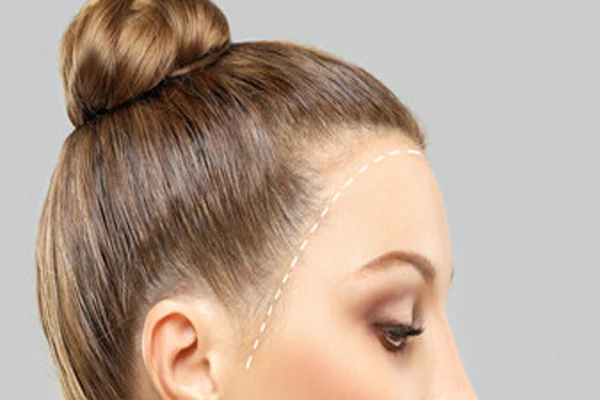
Frontal fibrosing alopecia (FFA) is an uncommon disorder that leads to progressive hair loss and permanent scarring along the hairline. Its impact on one’s mental well-being and self-esteem can be profound.
While it often manifests as frontal fibrosing alopecia in postmenopausal individuals, it can affect younger men and women as well. Each year, an increasing number of patients grapple with its symptoms. If you are currently experiencing FFA and seeking solutions, we are here to provide guidance. In this article, we will delve into the findings of research regarding potential causes, symptoms, and recommendations for safeguarding your hair and impeding its advancement.
Maybe you are interested: Most Common Hair Problem
What is Frontal Fibrosing Alopecia?
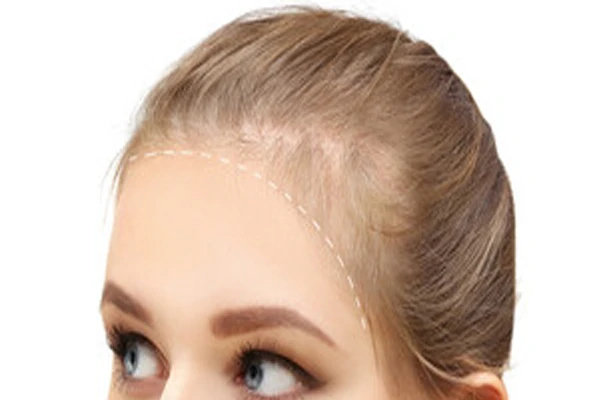
Frontal fibrosing alopecia, or FFA for short, is a hair loss condition that gradually affects specific areas of your scalp, primarily focusing on your hairline, eyebrows, and temples.
The signs of FFA encompass hair thinning, a receding hairline, and the emergence of bald patches in the affected regions, such as your eyebrows. As time passes, this hair loss may even extend to the posterior and lateral sections of your head.
Detecting FFA in its early stages can be challenging, as its initial symptoms may resemble those of other hair loss conditions like female pattern baldness. Therefore, it is crucial to seek professional guidance by consulting your doctor or dermatologist if you suspect FFA.

Although researchers are continually expanding their knowledge of frontal fibrosing alopecia, the precise causes and triggers remain unclear. Nevertheless, we can draw parallels with conditions that exhibit similar characteristics.
Fortunately, several treatment options have proven effective in alleviating the symptoms of FFA. These solutions encompass the use of topical corticosteroids, oral and topical medications, and lifestyle adjustments. Consulting with a healthcare professional can help determine the most suitable approach for your individual situation.
Causes of FFA

Frontal fibrosing alopecia is a puzzling condition characterized by hair loss at the front of the scalp. While researchers have made strides in understanding FFA, its precise causes remain multifaceted and not yet fully elucidated. This article delves deeper into the potential factors contributing to this enigmatic ailment.
Resembling Autoimmune Disorders
FFA shares characteristics with autoimmune diseases. In this condition, the immune system erroneously targets and damages healthy hair follicles, leading to hair loss. However, what triggers this autoimmune response remains a subject of ongoing investigation.
Genetic Susceptibility
Genetic predisposition is a compelling area of exploration. Studies suggest that some individuals may inherit a genetic susceptibility to rare conditions like FFA. A family history of FFA could elevate one’s risk, and it’s worth noting that women of African descent might exhibit symptoms earlier than individuals from other ethnic backgrounds.
Environmental Influences
Exposure to environmental factors is another facet under scrutiny. Some experts hypothesize that contact with harsh chemicals commonly found in products like hair dyes, paints, and pesticides might serve as triggers for scarring hair loss. Additionally, environmental factors such as sun exposure, infections, and viral influences are being investigated for their potential role in FFA development.
Hormonal Fluctuations
FFA predominantly affects women, leading to speculations about hormonal influences. Researchers are exploring whether hormonal changes, such as those associated with birth control usage, post-pregnancy, menopause, or pre-existing conditions like female pattern baldness, might contribute to FFA onset.
Lifestyle-Related Factors
Stress is known to have profound effects on the body, including hair health. Extended periods of heightened stress levels can lead to the release of detrimental hormones that negatively impact both hair growth and quality. Stress-induced changes in the body may play a role in triggering the autoimmune reactions often observed in individuals diagnosed with FFA.
Medication and Immune System Connection
Given the apparent connection between FFA and the immune system, there is a growing interest in understanding how medications may influence the development of the condition. Certain medications, particularly those used for managing cholesterol and high blood pressure, are suspected of potentially triggering FFA, though further research is needed to establish clear causality.
Other factors that may contribute to FFA include:
- Inflammation: Inflammation is a complex process that is involved in many different diseases, including FFA. Researchers believe that inflammation may play a key role in the destruction of hair follicles in FFA.
- Oxidative stress: Oxidative stress is a condition in which there is an imbalance between free radicals and antioxidants. Free radicals are unstable molecules that can damage cells and tissues. Antioxidants are molecules that help to protect cells from free radical damage. Researchers believe that oxidative stress may play a role in the damage to hair follicles in FFA.
- Vascular changes: Vascular changes, such as narrowing of the blood vessels that supply blood to the hair follicles, may also play a role in the development of FFA.
Symptoms of FFA
Frontal fibrosing alopecia is a complex and distinctive form of hair loss primarily affecting the frontal hairline and eyebrows. A thorough understanding of the multifaceted symptoms associated with FFA is vital for timely diagnosis and effective management. Below, we delve into the intricacies of these symptoms:
Gradual Hairline Recession
FFA typically manifests as a gradual and symmetric recession of the frontal hairline. This phenomenon involves a slow and noticeable backward movement of the hairline, often resulting in a pronounced and higher forehead.
Thinning Eyebrows
A prominent feature of FFA is the thinning or complete loss of eyebrows, with a particular emphasis on the outer regions. This eyebrow involvement can be a defining characteristic of the condition.
Scalp Redness and Irritation
Some individuals with FFA may experience redness, itching, or discomfort in the affected areas of the scalp. These symptoms are often attributed to inflammation of the hair follicles.
Sparse Hair Growth
Over time, hair within the affected regions becomes progressively sparse. In advanced cases, regrowth may cease altogether, leading to a smooth, shiny appearance on the forehead and eyebrows.
Absence of Eyelashes
FFA can extend its impact to the eyelashes, resulting in their thinning or loss. This further contributes to the altered facial appearance associated with the condition.
Pitting and Scarring
Examining the affected areas may reveal tiny depressions or pitting on the skin, accompanied by scarring. These characteristics are indicative of the scarring alopecia nature of FFA.
Facial Changes
As FFA advances, the altered hairline and eyebrow appearance can significantly affect facial aesthetics. Individuals may experience changes in their overall facial proportions, potentially leading to self-esteem and psychological concerns.
Hairline as a Diagnostic Indicator
FFA can be identified by the “lonely hair” phenomenon, wherein a single or a few remaining hairs persist along the receded hairline. This can serve as a distinctive marker for diagnosis.
Unusual Hair Growth Patterns
In response to FFA, hair growth direction may become irregular, causing hair to appear as if it is growing in peculiar angles or directions along the affected areas.
Exclusion of Other Scalp Conditions
Diagnosing FFA often necessitates the exclusion of other potential causes of hair loss, as its symptoms can overlap with various other scalp conditions. A careful evaluation is crucial for accurate diagnosis.
Treatment Options
Frontal fibrosing alopecia is a challenging condition to manage, but various treatment approaches can help alleviate its symptoms and slow down its progression. The choice of treatment depends on the individual’s specific case and the severity of their FFA symptoms. Below, we delve into the available treatment options:
Topical Corticosteroids
Topical corticosteroid creams or ointments are commonly prescribed as a first-line treatment for FFA. Corticosteroids reduce inflammation and suppress the immune response in the affected hair follicles.
They can help reduce redness, itching, and inflammation, and in some cases, promote hair regrowth. It is to be applied directly to the affected areas of the scalp.
Intralesional Corticosteroid Injections
Injections of corticosteroids directly into the affected areas are often used for more severe cases or when topical treatments are insufficient. These injections deliver a concentrated dose of corticosteroids to the affected hair follicles, reducing inflammation and promoting hair regrowth. They can be effective in halting or slowing down hair loss and, in some instances, facilitating regrowth.
Topical Calcineurin Inhibitors
These topical medications, such as tacrolimus and pimecrolimus, are occasionally prescribed, especially when corticosteroids are not well-tolerated. Calcineurin inhibitors reduce inflammation and immune system activity in the affected areas. They can help manage FFA symptoms, but their efficacy in promoting hair regrowth may be limited.
Oral Medications
In some cases, oral medications like hydroxychloroquine, finasteride, or dutasteride may be considered. These medications aim to reduce inflammation, suppress immune responses, or block hormones associated with FFA progression. Effectiveness varies among individuals, and these medications may be prescribed when topical treatments are insufficient.
Platelet-Rich Plasma (PRP) Therapy
PRP therapy involves the injection of a concentrated solution of a patient’s own platelets into the scalp. PRP is thought to stimulate hair follicles and promote hair growth by providing growth factors. Results are mixed, and more research is needed to establish its efficacy definitively.
Hair Transplantation
Hair transplantation, such as follicular unit transplantation (FUT) or follicular unit extraction (FUE), can be an option for individuals with stable FFA. Healthy hair follicles are transplanted from donor areas to the affected regions. Hair transplantation can provide a long-term solution for those with extensive hair loss, but it may not be suitable for everyone.
Cosmetic Camouflage
For individuals not pursuing medical treatments, cosmetic techniques such as hairpieces, wigs, or makeup can help conceal hair loss and boost self-confidence.
Treatment effectiveness varies from person to person, and some individuals may require a combination of therapies for optimal results. Consulting with a dermatologist or hair specialist is crucial for tailoring a treatment plan that suits the individual’s specific needs and addresses the unique challenges posed by frontal fibrosing alopecia. Regular follow-ups and adjustments to the treatment plan may be necessary to monitor progress and manage potential side effects.