



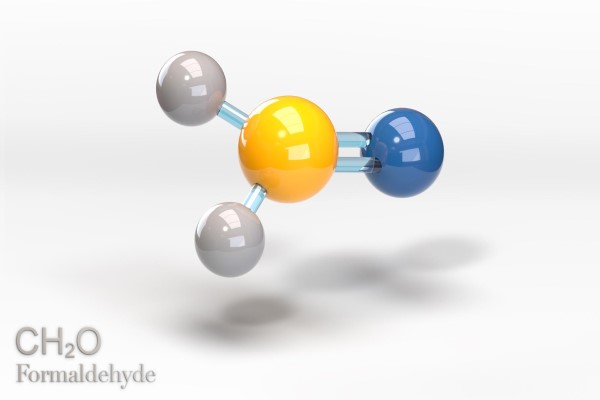
Formaldehyde, a colorless gas with a pungent odor, has long been utilized in the realm of hair care, particularly in hair straightening treatments. This powerful chemical is known for its ability to alter the structure of hair strands, resulting in sleek, straight locks. In this article, we will delve into the world of formaldehyde-based hair straightening processes, exploring the method, potential benefits, considerations, and safety measures associated with its use.
You may also be interested: Hair Health, Let’s Talk About It

Understanding Formaldehyde
Formaldehyde, chemically known as HCHO, is a naturally occurring compound found in the environment. In hair straightening treatments, formaldehyde is typically used in the form of formalin, a solution containing formaldehyde gas dissolved in water. When applied to the hair, formaldehyde penetrates the hair shaft, breaking down the protein bonds that give hair its natural shape, such as curls or waves. By altering these bonds, formaldehyde helps to relax the hair and make it more manageable, resulting in a straightened appearance.
The Hair Straightening Process
The process of using formaldehyde to straighten hair typically involves several steps. Firstly, the hair is washed and dried to remove any dirt, oil, or product buildup. Next, a formaldehyde-based solution is applied to the hair, ensuring even distribution from the roots to the tips. This solution is left on the hair for a specific period, allowing the formaldehyde to interact with the hair strands. During this time, the stylist may use heat sources such as a flat iron or blow dryer to activate the formaldehyde and expedite the straightening process.
The formaldehyde penetrates the hair shaft and works by altering the disulfide bonds present in the protein structure of the hair. These bonds determine the hair’s natural shape and texture. By breaking and reforming these bonds, formaldehyde allows the hair to be reshaped into a straighter form. The stylist carefully straightens each section of hair using the chosen heat source, ensuring that the formaldehyde solution is evenly distributed and activated throughout the hair.
Benefits of Formaldehyde-Based Hair Straightening
Formaldehyde-based hair straightening treatments have gained popularity due to their ability to provide long-lasting results. Some of the key benefits of this method include:
Straightened Hair: The primary advantage is the transformation of curly, wavy, or frizzy hair into smooth, straight locks, achieving a desired aesthetic.
Manageability: Straightened hair becomes more manageable, requiring less effort in daily styling and reducing the time needed for maintenance.
Reduced Frizz: Formaldehyde treatments can significantly reduce frizz, helping individuals with unruly hair to achieve a sleeker, smoother appearance.
Longevity: Compared to temporary methods like using flat irons or blow dryers, formaldehyde-based treatments offer longer-lasting results, with effects lasting for several months.
Considerations and Safety Measures
While formaldehyde-based hair straightening treatments can yield desirable outcomes, it is essential to consider certain factors and prioritize safety:
Formaldehyde Content: Formaldehyde has been classified as a potential carcinogen by regulatory bodies. It is important to ensure that the formaldehyde content in the product used is within the permissible limits set by regulatory authorities. Choose reputable salons or professionals who adhere to safety standards.
Allergic Reactions: Some individuals may be sensitive or allergic to formaldehyde or other ingredients present in the hair straightening products. Prior patch testing is recommended to identify any adverse reactions before undergoing the treatment.
Professional Application: Formaldehyde-based treatments should be performed by trained and experienced professionals who are knowledgeable about the correct application technique and safety precautions.
Proper Ventilation: Proper ventilation is essential during formaldehyde-based hair straightening treatments to minimize the risk of inhaling formaldehyde gas. Salons should have adequate airflow and ventilation systems in place to ensure the dissipation of formaldehyde fumes. Both stylists and clients should also prioritize safety measures such as wearing protective gear, following recommended application techniques, and adhering to product instructions.
Protective Measures: Both the stylist and the client should wear appropriate protective gear, such as gloves and masks, to minimize direct contact and inhalation of formaldehyde and other potentially harmful chemicals.
Aftercare: Following the treatment, it is important to use products specifically designed for chemically treated hair and to follow the stylist’s instructions for post-treatment care. This helps maintain the straightened effect and ensures hair health.
The Potential Risks Associated with Formaldehyde-Based Hair Straightening Treatments
While formaldehyde-based hair straightening treatments have gained popularity for their ability to transform curly or frizzy hair into sleek, straight locks, it is important to be aware of the potential risks associated with these procedures. Understanding these risks allows individuals to make informed decisions and prioritize their health and well-being. In this article, below are some of the potential risks involved in formaldehyde-based hair straightening treatments and discuss important considerations for individuals considering or undergoing such procedures.
Risk of Formaldehyde Exposure
One of the primary concerns with formaldehyde-based hair straightening treatments is the risk of formaldehyde gas exposure. Formaldehyde is classified as a potential carcinogen by regulatory bodies, and exposure to high levels of this chemical can have adverse health effects. When heated during the straightening process, formaldehyde gas is released into the air, posing a risk to both the stylist and the client.
Respiratory Issues and Irritation
Inhaling formaldehyde gas can cause respiratory problems and irritation. Common symptoms include coughing, wheezing, shortness of breath, and chest tightness. Individuals with asthma or other pre-existing respiratory conditions may be more susceptible to these effects. Prolonged or repeated exposure to formaldehyde can also lead to chronic respiratory issues.
Skin and Eye Irritation
Direct contact with formaldehyde or its solutions can cause skin and eye irritation. This can manifest as redness, itching, burning sensations, and in severe cases, blistering or chemical burns. Stylists and clients should take precautions to prevent direct contact and ensure that protective gear, such as gloves and goggles, is worn during the treatment process.
Allergic Reactions
Some individuals may be allergic or sensitive to formaldehyde or other ingredients present in the hair straightening products. Allergic reactions can range from mild irritation to severe allergic dermatitis. Prior patch testing is crucial to identify any potential allergic reactions before undergoing the treatment.
Conclusion
Formaldehyde-based hair straightening treatments offer individuals an opportunity to achieve smooth, straight hair with lasting results. By choosing reputable professionals, ensuring proper ventilation, and taking necessary precautions, individuals can enjoy the transformative effects of formaldehyde-based hair straightening while minimizing potential risks.