



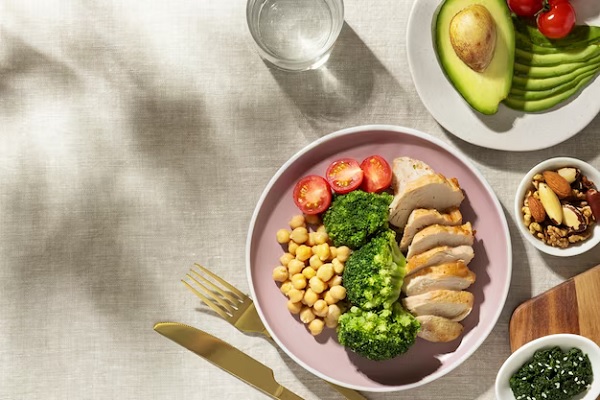
The correlation between our dietary habits and overall well-being is a crucial aspect often overlooked. The impact of nutrition on health, particularly concerning hair, cannot be overstated. Many health problems, including hair loss, can be traced back to inadequate nutrition or the absence of essential nutrients. In this article, we will discuss Foods that prevent hair loss.
Dermatologists play a pivotal role in addressing hair loss concerns by implementing comprehensive changes in individuals’ dietary patterns. When patients observe a disturbingly high and abnormal hair fall rate, these professionals intervene with tailored nutritional guidance. The adjustments in the patients’ diets are meticulously designed to address specific nutritional deficiencies that may be weakening their overall health and, notably, the condition of their hair. This approach has proven instrumental in reversing the trend of hair loss. Patients who have experienced significant hair loss find relief and witness tangible improvements in their hair health through these dietary interventions. The holistic transformation in nutritional intake addresses the immediate concern of hair loss. It also contributes to the overall well-being of the individuals involved.
Food and Hair Loss
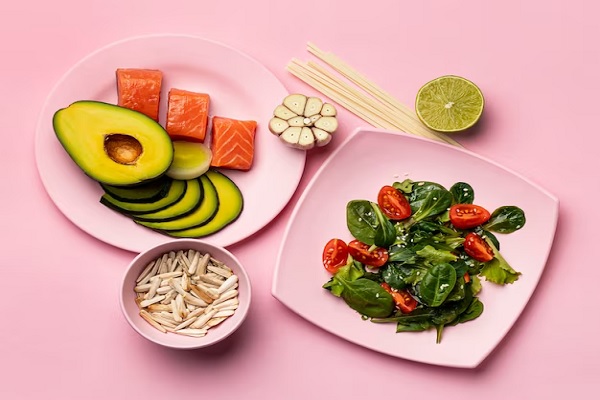
Research studies indicate a connection between hair loss and insufficient intake of specific minerals and vitamins in our food. According to endocrinologists, relying on vitamins from natural food sources is crucial, as tablets do not yield the same results.
Nutrition experts emphasize the significance of adhering to a Mediterranean diet, characterized by low fat and sugar content and high consumption of fruits and vegetables. A well-rounded diet includes fruits and vegetables of various colours. It’s also important to eat fish, lean meats, carbohydrates, and legumes, which provide the body with all the essential elements for optimal function.
This article aims to enumerate the vital nutrients necessary for maintaining robust and healthy hair. By ensuring proper nourishment for our hair follicles without subjecting them to neglect, we can mitigate the risk of hair loss due to dietary issues. While we may be unable to stimulate growth in areas where it has ceased, responsible nutrition can prevent future hair loss.
Causes of Hair Loss
Hair loss, a condition that can affect men and women, has various underlying causes. Understanding these factors is crucial for devising effective prevention and treatment strategies. Here are some common causes of hair loss:
Genetics (Hereditary Hair Loss)
The most common cause is a hereditary condition called androgenetic alopecia. It tends to occur in predictable patterns and can affect men (male-pattern baldness) and women (female-pattern baldness).
Hormonal Changes and Medical Conditions
Numerous circumstances can trigger temporary or permanent hair loss caused by hormonal changes. Menopause, pregnancy, childbirth, and thyroid problems are clear examples. Health issues include alopecia areata, which is an immune system attack on hair follicles, and conditions like diabetes and lupus.
Drugs and supplements
Several medications have the potential to cause adverse effects. They include those used for cancer, arthritis, depression, gout, heart problems, and high blood pressure.
Radiation Therapy to the Head
The hair may not grow back the same as before if individuals undergo radiation therapy to the head. The extent of the problem depends on the dosage of radiation received.
A Very Stressful Event
Many people experience a general hair thinning several months after a physical or emotional shock. This type of hair loss is temporary.
Certain Hairstyles and Therapies
Poor Diet
Lack of proper nutrition can also contribute to hair loss. Deficiencies in vitamins and minerals such as iron, zinc, and vitamin D can adversely affect hair health.
Age
As people age, hair naturally tends to be thin. The rate of hair growth slows, and follicles shrink.
Poor Scalp Health
Conditions such as dandruff, fungal infections, and other scalp disorders can contribute to hair loss if left untreated.
Understanding the specific cause of hair loss in an individual is essential. That would help determine the most appropriate course of action, whether lifestyle changes, medical treatments, or other interventions. If someone is experiencing significant hair loss, consulting with a healthcare professional or a dermatologist can provide valuable insights and guidance.
Foods That Prevent Hair Loss
Below is a compilation of minerals and vitamins suggested by experts in addressing hair loss. This roster comprises seven minerals and five additional vitamins, all of which significantly maintain optimal hair health.
Minerals
These seven minerals intricately contribute to preventing hair loss and fostering comprehensive hair health:
- Zinc actively influences hair growth, repairing hair tissue, preventing hair follicle regression, and maintaining a healthy scalp.
- Iron plays a crucial role in hair health by ensuring proper blood circulation to the hair follicles, preventing thinning and loss.
- Magnesium operates at a cellular level, supporting hair’s structural integrity, minimizing thinning and breakage, and promoting a strong and resilient mane.
- Copper contributes to overall hair vitality by stimulating melanin production, the pigment responsible for natural hair colour, and supporting the health of hair follicles.
- Selenium acts as a protective shield for the scalp, guarding against oxidative stress, reducing breakage, and enhancing overall hair strength.
- Silica actively strengthens hair strands, minimizing breakage and improving the texture and resilience of the hair.
- Biotin, a key player in the B-vitamin complex, enhances keratin production, an essential protein for hair structure, resulting in healthier, more lustrous, and resilient hair.
Vitamins
Immerse yourself in the intricate world of vitamins. They are outstanding for actively preventing hair loss and fostering comprehensive hair health:
- Vitamin A (Retinol): This vitamin supports vision and actively promotes a healthy scalp by stimulating sebum production. Sebum moisturizes the scalp and nourishes hair follicles, enhancing overall hair health.
- Vitamin Biotin (B7): As a vital component of the B-vitamin complex, biotin actively fortifies hair structure. It aids in the metabolism of fats and carbohydrates, contributing to more robust, resilient hair and effectively combating hair loss.
- Vitamin C (Ascorbic Acid): A potent antioxidant, vitamin C actively synthesizes collagen. Collagen provides a strong foundation for hair strands, promoting their resilience and strength to prevent hair loss.
- Vitamin D (Calciferol): Beyond its well-known role in bone health, vitamin D maintains healthy hair follicles. Adequate vitamin D levels are associated with reduced hair shedding, actively supporting the vitality of hair strands.
- Vitamin E (Tocopherol): Its potent antioxidant properties protect hair cells from oxidative stress and damage. By creating a healthy scalp environment, vitamin E actively minimizes hair loss and fosters the growth of a thriving mane.
Incorporating a diverse range of foods rich in these vitamins into your diet ensures a holistic approach to preventing hair loss and fostering the enduring health of your hair.
Why Foods For Hair Loss?
Consuming a well-balanced diet rich in specific nutrients can have numerous benefits. It helps prevent hair loss and promotes overall hair health. Here are detailed insights into the benefits of incorporating certain foods into your diet:
Protein-Rich Foods
Hair is primarily composed of protein, specifically keratin. Including protein-rich foods such as lean meats, eggs, fish, and legumes helps promote hair growth and strengthen hair strands.
Omega-3 Fatty Acids
Omega-3 fatty acids in fatty fish like salmon, walnuts, and flaxseeds nourish hair follicles and reduce inflammation on the scalp. These nutrients also contribute to shiny, healthy hair.
Iron-Rich Foods
Iron is essential for proper oxygen transport to hair follicles. Incorporating iron-rich foods like spinach, lentils, and lean meats can prevent iron deficiency, a common cause of hair loss.
Vitamins A and C
Both vitamins are essential for maintaining healthy hair. They can be obtained through a balanced diet or supplements. Ensuring adequate intake of Vitamin A and Vitamin C is beneficial for overall hair health and can contribute to the prevention of hair and scalp issues.
Biotin (Vitamin B7)
Biotin supports the production of keratin and helps prevent hair breakage. Foods like eggs, nuts, and sweet potatoes are rich sources of biotin.
Vitamin D
Adequate vitamin D levels are associated with reduced hair shedding. Fatty fish, fortified dairy products, and exposure to sunlight contribute to sufficient vitamin D intake.
Zinc-Rich Foods
Zinc plays a crucial role in hair tissue growth and repair. Foods like oysters, nuts, and seeds help maintain the health of hair follicles.
Antioxidant-Rich Foods
Antioxidants in fruits and vegetables protect hair follicles from oxidative stress. Berries, tomatoes, and leafy greens contribute to a healthy scalp environment.
Whole Grains
Whole grains like quinoa and oats provide essential nutrients, including iron, zinc, and B vitamins. These nutrients promote overall hair health and prevent deficiencies.
Collagen-Boosting Foods
Collagen is vital for hair structure. Foods like bone broth, chicken, and fish contribute to collagen production, supporting hair strength and elasticity.
Conclusion
To conclude, the impact of nutrition on our overall well-being, including hair health, cannot be overstated. Inadequate nutrition or lacking essential nutrients can contribute to various health problems, including hair loss. Dermatologists are vital in addressing hair loss concerns by implementing tailored dietary changes to address specific nutritional deficiencies. This approach has proven effective in reversing hair loss and improving overall hair health.
Understanding the causes of hair loss, such as genetics, hormonal changes, certain medications, and poor diet, is crucial for developing prevention and treatment strategies. Additionally, maintaining a balanced diet that includes specific minerals like zinc, iron, magnesium, copper, selenium, silica, and biotin, as well as vitamins A, Biotin, C, D, and E, is essential for preventing hair loss and promoting healthy hair growth. Protein-rich foods, omega-3 fatty acids, iron-rich foods, and various fruits and vegetables can contribute to optimal hair health. By prioritizing proper nutrition, we can mitigate the risk of hair loss and foster vibrant, resilient hair.