



Have you noticed your hair falling out more than usual? You might be surprised to learn that some foods cause hair loss. While genetics and stress often contribute to hair loss, the foods you eat also play a significant role. Hair loss concerns many men and women, and although losing some hair daily is normal, excessive loss can feel alarming. Moreover, people often overlook diet, especially the inclusion of foods that cause hair loss, as a key factor.
The foods you choose can either promote healthy hair growth or lead to hair thinning and loss. By paying attention to your dietary habits, you can reduce the effects of hair loss. In this blog post, we examine how specific foods, including foods that cause hair loss, affect your hair. Additionally, we share practical strategies and tips to help you maintain healthy hair.
How is diet related to foods that cause hair loss?
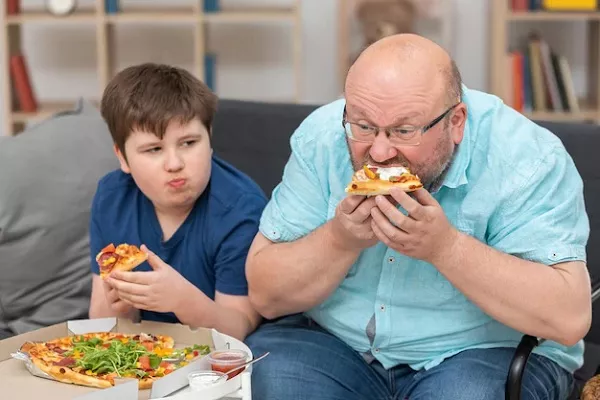
Our diet significantly affects the health of our hair. The nutrients and substances we consume directly influence our hair follicles‘ strength, growth, and condition. For instance, eating foods high in refined sugars, trans fats, and sodium often causes inflammation in the body. This inflammation disrupts the hair growth cycle and hinders nutrient absorption, ultimately leading to hair thinning and loss.
In contrast, a nutrient-rich diet promotes healthy hair growth and improves hair vitality. Proteins are vital in producing keratin, the protein that forms our hair strands. Additionally, vitamins like vitamin D, iron, and biotin strengthen hair follicles and support their health.
By choosing the right foods, we can minimize the effects of foods that cause hair loss. Incorporating nutrient-dense options, drinking plenty of water, and meeting nutritional needs. Remember, our diet impacts not only our overall health but also the appearance and condition of our hair.
What are the foods that cause hair loss?
By being mindful of your dietary choices and opting for nutrient-dense, whole foods, you can support the health of your hair and potentially reduce the risk of hair loss. Remember, a balanced diet rich in essential nutrients is key to maintaining vibrant hair.
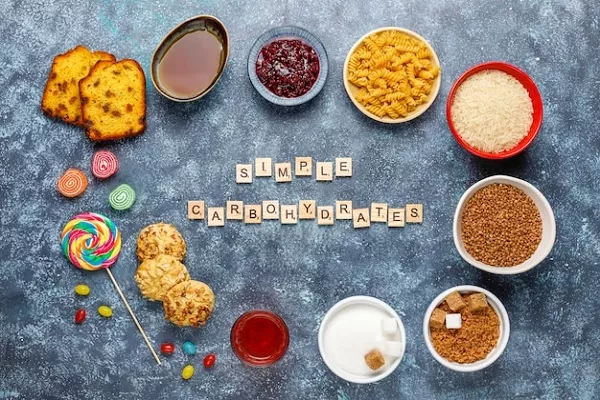
Foods high in refined sugars in foods that cause hair loss
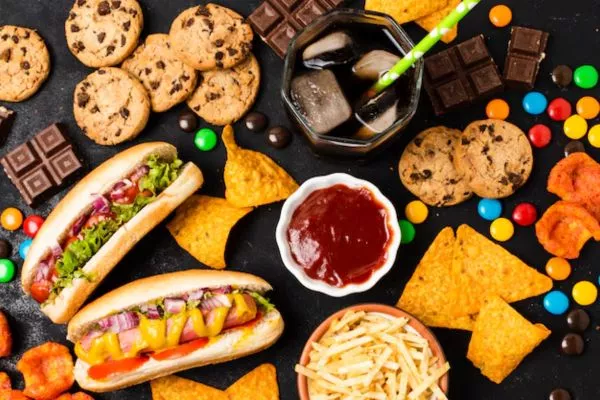
Indulging in foods high in refined sugars can wreak havoc on both your blood sugar levels and the health of your precious hair follicles. Think candies, soft drinks, and tempting baked goods that may taste delightful but can lead to inflammation in your body and disrupt the natural growth cycle of your hair. Opt for healthier alternatives like fruits and whole grains to keep your blood sugar stable and support your hair follicles in flourishing.
Trans fats and Processed foods
Trans fats found in fast food, packaged snacks, and margarine can be a menace to your hair health. These fats have a knack for promoting inflammation within the body, which can disrupt the hair growth process. Swap out these unhealthy fats for nourishing alternatives like avocados and nuts to promote a healthy environment for your hair follicles to thrive.
Excessive sodium consumption
Chips, canned soups, and processed meats are common culprits when it comes to excessive sodium consumption. Dehydration caused by high sodium levels can impact the health of your scalp and hair follicles, potentially leading to hair issues. Stay hydrated with plenty of water and opt for whole, unprocessed foods to maintain optimal hair health.
Caffeine

For all the caffeine enthusiasts out there, keep in mind that excessive caffeine intake can interfere with iron absorption, a crucial nutrient for healthy hair growth. Balance your love for caffeine with iron-rich foods to support your hair follicles and maintain a luscious mane.
Crash diets and Nutritional deficiencies
Embarking on crash diets can result in restrictive eating patterns that may deplete essential nutrients vital for healthy hair growth. Common deficiencies like iron, biotin, protein, and zinc can have a direct impact on the strength and vitality of your hair. Ensure your diet is well-balanced and rich in nutrient-dense foods to support your hair from the inside out.
Alcohol
While a glass of wine or a cocktail can be a delightful indulgence, excessive alcohol consumption can lead to dehydration and nutrient depletion, which can affect the overall health of your hair. Moderation is key when it comes to alcohol intake to maintain healthy hair and overall well-being.
Artificial sweeteners
There are potential links between artificial sweeteners and hair thinning that should be considered. These additives may have unintended consequences on your hair health, so be mindful of your consumption and opt for natural sweeteners whenever possible.
High-Mercury Foods
Loss of hair has been linked to exposure to high amounts of mercury. Fish is among the most prevalent ways that mercury enters our bodies, making it among the most pervasive sources. Certain fishes contain a disproportionately high amount of mercury and should be avoided. This includes a variety of fish, such as swordfish, sushi, mackerel, and some tuna. You may substitute these with salmon, shrimp, or light tuna because these fish contain a lower concentration of mercury.
Excess vitamins in foods that affect hair health
A terrific confidence booster and an indication of overall good health is having hair that is in good condition. Not only will better nutrition lead to healthier hair, but it can also improve other aspects of your body’s health. To maintain a healthy head of hair, you should be clear of the dietary blunders listed below.
Vitamin A
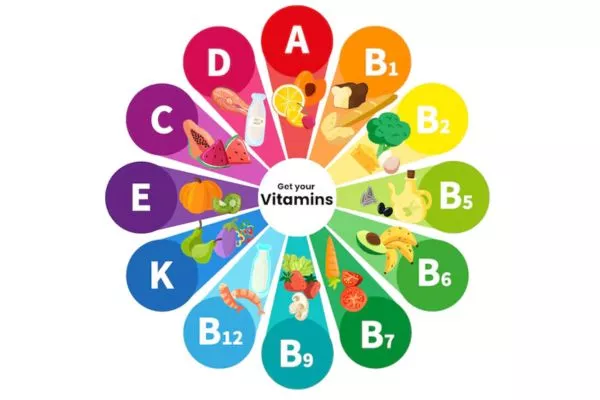
Vitamin A is a fat-soluble vitamin that plays a crucial role in maintaining healthy organ function and eyesight. That is according to the National Institutes of Health and the Office of Dietary Supplements. However, a condition known as vitamin A toxicity can occur when an excessive amount of this vitamin is in the body. This condition can lead to hair loss in addition to a variety of other uncomfortable symptoms. So, it can become one of the foods that cause hair loss.
Different symptoms are associated with chronic and acute kinds of vitamin A poisoning. The chronic version of the ailment is the one that is most commonly linked to hair loss, in addition to dry, irritated skin and an elevated chance of bone fractures. Rash, stomach pain, and vomiting are all associated with acute poisoning. Case studies have found that individuals who had previously eaten fish liver or taken high vitamin A supplements are more likely to have vitamin A toxicity.
Vitamin E
The health condition of the skin, nails, and hair all depend heavily on the presence of vitamin E in our diets. It is a potent antioxidant that promotes healthy scalp tissue and guards against damage to hair follicles. If you don’t get enough of this vitamin’s preventive assistance, you can have more significant hair loss due to damage caused by free radicals and oxidative stress. It is not one of the foods that cause hair loss. But its deficiency can cause it.
And even though taking vitamin E supplements may assist in stimulating hair development, taking excessive amounts of the vitamin might cause hair loss. Maintaining a healthy equilibrium in our bodies is a delicate balancing act.
Selenium
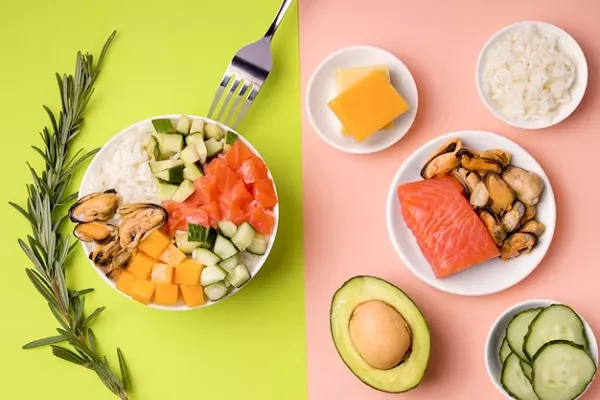
Many cellular and physiological functions in the body require the presence of the trace element selenium. However, like vitamin A, ingesting an excessive amount of this substance can lead to various health issues, including hair loss.
Selenium is in relatively high concentrations in Brazil nuts, some kinds of organ meats, and seafood. Still, it is also present in many other foods, albeit in much lower concentrations. People who have used selenium supplements are responsible for most selenium poisoning instances. The National Institutes of Health reports that besides hair loss, the most typical symptoms include nausea and vomiting, nail discolouration, bad breath, exhaustion, and irritability.
High-Glycemic
Foods with a high glycemic index are broken down into sugar more quickly. Consuming more sugar will result in higher levels of androgens and insulin in the body, both of which will have a negative impact on the health of one’s hair. Foods like pasta, pancakes and white bread with a lot of starch are high-glycemic foods. These meals are, therefore, extremely detrimental to the health of hair as well as its growth.
Low-Calcium
Calcium is an essential component that must be present for hair to be healthy and shiny. A lack of calcium in the diet can negatively affect the hair and nails. Cheese, milk, and other dairy products are good sources of calcium that could improve your diet.
Zinc-Iron deficiency
Incorporating foods rich in iron and zinc into your diet is also essential for maintaining healthy hair. They contribute to the creation of keratin, which is necessary for the growth and health of hair. Iron and zinc are found in high concentrations in red meat and seafood; for vegetarians, beans are an excellent alternative source of these minerals.
Low keratin in foods that cause hair loss
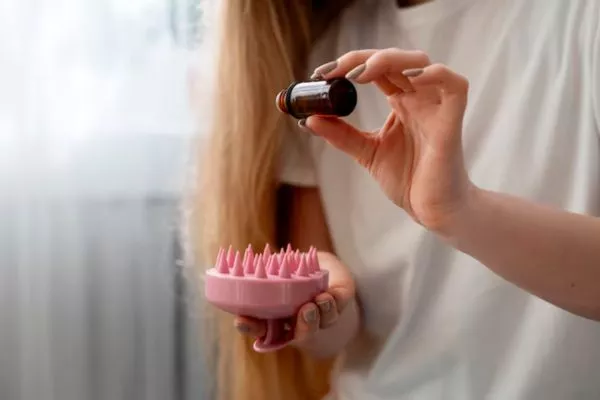
Keratin is a protein that serves as the primary component in hair construction. Therefore, if you do not consume enough keratin, you put yourself at a greater risk of experiencing hair loss. A sufficient amount of protein can be found in lean cuts of meat. Tofu, beans, lentils, and spinach are all good options for vegetarians looking for protein-rich foods.
Faq’s
Can a balanced diet prevent hair loss from foods that cause hair loss?
Yes, maintaining a diet rich in essential nutrients supports healthy hair growth and reduces the risk of hair loss.
How long does it take to see results after avoiding foods that cause hair loss?
It can take weeks to months to notice improvements in hair health with consistent dietary changes.
Which foods promote growth while avoiding foods that cause hair loss?
Foods rich in omega-3s, vitamins A and C, and biotin, like salmon, sweet potatoes, and nuts, support hair health.
Conclusion
Consuming foods that cause hair loss, such as those high in refined sugars, trans fats, sodium, or specific vitamins in excess, can disrupt the natural growth cycle and weaken hair follicles. Recognizing the impact of these dietary choices is the first step toward healthier, stronger hair. By prioritizing a balanced diet rich in essential nutrients like biotin, protein, iron, and omega-3 fatty acids, you can counteract the effects of harmful foods and support vibrant hair growth.
At Capilclinic, we’re trusted by thousands of patients in the UK and Europe as a leading Hair Transplant Clinic in Turkey and Spain, known for our expert doctors, advanced facilities, natural hairline results, and affordable all-inclusive packages. Reach out to our team today to start your transformation.