



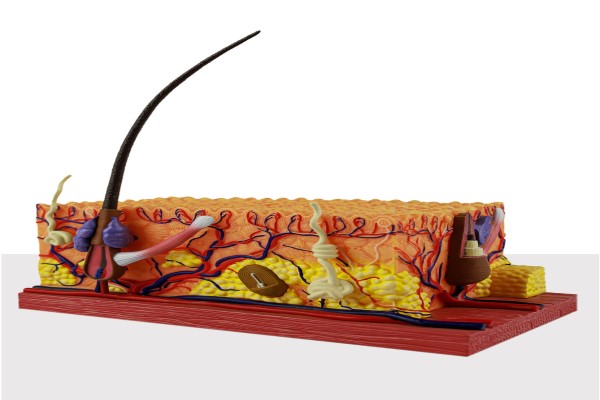
Folliculitis decalvans is a rare and chronic condition that affects the scalp and hair follicles, causing ongoing inflammation and scarring which leads to permanent hair loss. This condition is typically caused by a bacterial infection that triggers an immune response and subsequent hair loss. Pustules, or pus-filled bumps, can form on various parts of the body, but in folliculitis decalvans they tend to be more persistent and difficult to treat. It is important to seek prompt medical attention from a dermatologist if you suspect you may have folliculitis or any other skin condition to prevent the progression of the condition and minimize hair loss.
What Causes Folliculitis Decalvans?
Folliculitis decalvans is a chronic condition that results in permanent hair loss and scarring due to inflammation of the hair follicles. The specific cause of this condition is not entirely clear, but Staphylococcus aureus (Staph A) infection is believed to be a contributing factor. Staph A is commonly found on the skin and in the nose of people and is generally harmless. In some cases, however, it can trigger an abnormal immune response leading to chronic inflammation of hair follicles and hair loss.
Genetic factors, hormonal imbalances, stress, and environmental factors are all potential contributors to this condition. Folliculitis decalvans can be challenging to diagnose as it shares symptoms with other skin conditions. Antibiotics are often prescribed to treat the underlying staph infection, while anti-inflammatory drugs help to reduce inflammation and immunosuppressive drugs suppress the immune response.
While there is no permanent cure for folliculitis decalvans, early diagnosis and treatment can help slow the progression of the disease and minimize hair loss. It is important to have regular follow-up appointments with a dermatologist to monitor the condition and modify treatment as required.
What Are The Risk Factors?
Folliculitis decalvans is a chronic inflammatory condition that affects hair follicles on the scalp, leading to hair loss. Although it is a relatively rare condition, it can have a significant impact on the affected individual’s self-esteem and quality of life.
Folliculitis decalvans typically develop during the teenage years or early adulthood, although it can occur at any age. While the exact cause of this condition is unknown, there are several risk factors that increase the likelihood of developing folliculitis decalvans. These include a history of bacterial or fungal infections, a weakened immune system, and the presence of other skin conditions such as acne or rosacea. Additionally, certain genetic factors may also play a role in the development of this condition.
The symptoms of folliculitis decalvans include inflammation, pustules, or papules around the hair follicles, and hair loss. The condition can be progressive, leading to the destruction of the hair follicles and permanent hair loss. A diagnosis of folliculitis decalvans is typically made based on a physical exam and a biopsy of the affected area.
Symptoms of Folliculitis Decalvans
Folliculitis decalvans presents a number of symptoms that can vary in intensity and extent. The most common include:
- Hair Loss (Alopecia): The most noticeable feature is patchy hair loss, which can progress to larger areas if not treated properly.
- Pustules: Small, pus-filled bumps that appear around affected hair follicles.
- Redness and Tenderness: The skin on the scalp becomes red and inflamed, and may be painful to the touch.
- Itching and Pain: Patients often experience intense itching and pain in the affected areas.
- Scabs and Scars: Over time, pustules can form scabs and leave permanent scars on the scalp.
Diagnosing Folliculitis Calvans
Diagnosing folliculitis calvans is usually done through a combination of clinical evaluation and laboratory tests:
- Clinical Evaluation: A dermatologist visually examines the scalp to identify the characteristic signs of the disease, such as patchy hair loss, pustules, and redness.
- Bacterial Culture: A sample of pus may be taken from the pustules to identify the presence of bacteria, including Staphylococcus aureus.
- Skin Biopsy: In some cases, a scalp biopsy is performed to examine the hair follicles under a microscope and confirm the diagnosis.
- Ruling Out Other Conditions: It is important to rule out other causes of scarring alopecia, such as fungal infections or lupus erythematosus.
Early diagnosis is crucial to effectively manage folliculitis calvans and prevent disease progression. If you experience any of these symptoms, it is advisable to see a dermatologist as soon as possible.
During the diagnostic process
the dermatologist will conduct a comprehensive examination of the scalp, focusing on areas with hair loss, redness, swelling, and pustules. The healthcare provider will use a magnifying device to get a clear view of the pustules and examine their size, shape, and distribution. Additionally, the dermatologist may gently squeeze the pustules to extract some of the fluid for laboratory testing.
Collected fluid
Is checked for the presence of Staphylococcus aureus (Staph A), a type of bacteria that frequently causes skin infections. This bacterium is often the underlying cause of folliculitis decalvans, so detecting its presence is crucial to confirm the diagnosis. The dermatologist may also conduct a bacterial culture, which involves growing bacteria from the collected sample in the laboratory to determine the exact type of bacteria causing the infection.
To rule out other conditions that can mimic the symptoms of folliculitis decalvans, the healthcare provider may perform additional tests. One such test is a fungal culture, where the dermatologist scrapes a small amount of skin and hair from the scalp to check for the presence of ringworm, a fungal infection that can cause hair loss and scalp inflammation. The healthcare provider may also perform a skin biopsy, which involves taking a small sample of skin tissue from the affected area, to confirm the diagnosis.
Overall, diagnosing folliculitis decalvans requires a thorough examination of the scalp by a dermatologist, along with various tests to rule out other conditions and confirm the presence of Staph A, the underlying cause of this hair loss disorder. Prompt diagnosis and treatment can help prevent further hair loss and scarring.
Consequences of Folliculitis Decalvans
Folliculitis decalvans can have several significant consequences, both physical and emotional:
- Permanent Hair Loss: The destruction of hair follicles is irreversible, meaning that hair will not grow back in the affected areas. This can result in permanent bald patches on the scalp.
- Psychological Impact: Hair loss can severely affect patients’ self-esteem and quality of life. Many people experience anxiety, depression, and a decrease in confidence due to changes in their appearance.
- Pain and Discomfort: Inflammation and pustules can cause constant pain and discomfort, which can interfere with daily activities and overall well-being.
- Scarring: Affected areas may develop scarring, which not only affects appearance but can also cause additional discomfort.
Treatment and Management of Folliculitis Decalvans
Treatment of folliculitis decalvans focuses on controlling symptoms and preventing the progression of the disease. Although there is no definitive cure, several treatment options can help manage the condition:
- Antibiotics: Antibiotics, both topical and oral, are commonly used to combat the underlying bacterial infection, especially if Staphylococcus aureus is identified.
- Corticosteroids: Corticosteroids may be applied topically or injected to reduce inflammation and pain.
- Medicated Shampoos: Special shampoos containing anti-inflammatory and antibacterial ingredients may help keep the scalp clean and reduce irritation2.
- Advanced Therapies: In some cases, more advanced therapies such as laser therapy may be used to reduce inflammation and improve the appearance of the scalp2.
- Surgery: In situations where the disease is controlled, hair transplant surgery may be considered to restore hair in the affected areas. However, there is a risk that the transplanted hair may be lost if the disease recurs.
Prevention and care of folliculitis decalvans are essential to minimize symptomsand prevent disease progression. Here are some strategies and recommendations:
Scalp Hygiene
- Regular Cleansing: Keeping your scalp clean is essential. Use gentle, specific shampoos for sensitive scalps or scalps with folliculitis problems.
- Avoid Harsh Chemicals: Limit the use of products that contain harsh chemicals, such as dyes and perms, which can irritate the scalp.
- Proper drying: Be sure to dry your scalp thoroughly after washing to prevent moisture buildup, which can promote bacterial growth.
Shaving and Styling Habits
- Careful Shaving: If you shave your head, do so carefully to avoid cuts and scrapes that can become infected. Consider using electric shavers instead of blades.
- Gentle Styling: Avoid combing your hair hard or using very fine-toothed combs that can damage your scalp.
Clothing & Accessories
- Loose Clothing: Wear loose, breathable clothing to reduce friction and irritation on the scalp.
- Avoid Tight Hats: Tight hats and caps can increase sweating and friction, which can aggravate folliculitis.
Lifestyle & Diet
- Balanced Diet: Maintain a diet rich in vitamins and minerals that support healthy skin and hair. Foods rich in vitamin B, C and omega-3 fatty acids are especially beneficial.
- Hydration: Drinking enough water helps keep your skin hydrated and healthy.
- Stress Reduction: Stress can worsen the symptoms of folliculitis. Practice relaxation techniques such as yoga, meditation, or regular exercise.
Early Medical Care
- Early Consultation: If you notice symptoms of folliculitis decalvans, consult a dermatologist as soon as possible. An early diagnosis can help manage the disease and prevent hair loss.
- Prescription Treatments: Follow your doctor’s instructions regarding prescribed treatments, such as antibiotics, corticosteroids, or medicated shampoos.
Avoiding Scratching
- Do Not Scratch: Avoid scratching your scalp, as this can worsen inflammation and cause scarring.
- Use of Soothing Creams: Use soothing creams or lotions recommended by your dermatologist to relieve itching and discomfort.
Conclusion
Folliculitis decalvans is a challenging condition that can have a significant impact on the lives of those who suffer from it. Although it is not curable, with early diagnosis and proper management, it is possible to control the symptoms and improve the quality of life of patients. If you suspect you may have folliculitis decalvans, don’t hesitate to consult a dermatologist for proper evaluation and treatment.