



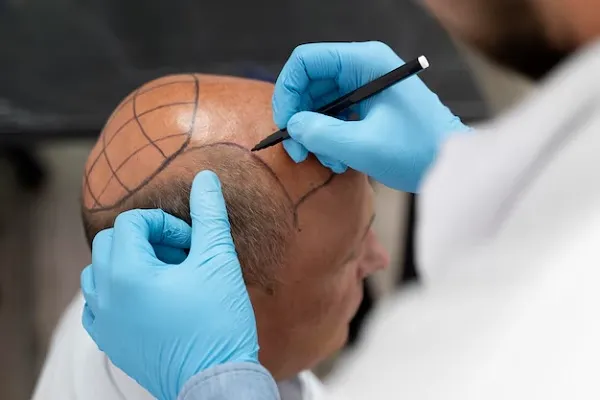
What are the most common FAQs about hair transplants?
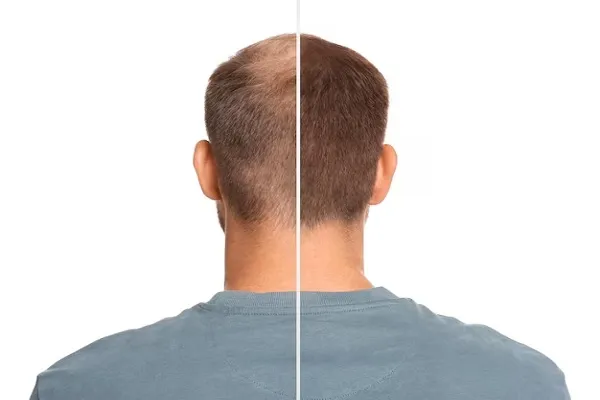
FAQs about hair transplant are essential for anyone considering this life-changing procedure. Understanding the basics, risks, and expected results helps patients make informed decisions and feel more confident about their journey. Among the most common inquiries are questions about pain levels, recovery time, and long-term results. Patients also want to know how many grafts they’ll need and whether the results will look natural.
One of the most frequently asked questions is: “How does a hair transplant work?” This procedure involves harvesting hair follicles—usually from the back of the scalp—and implanting them into balding or thinning areas. It’s a minimally invasive surgery, often performed under local anaesthesia, with visible results typically appearing within a few months.
Read related blog: How does a hair transplant work?
What is the best transplant technique that currently exists?
The most advanced and reliable techniques available today are the FUE (Follicular Unit Extraction) and microFUE methods. These allow surgeons to extract healthy hair follicles individually and implant them precisely into the recipient area. The process requires expert skill, precision instruments, and experience to ensure optimal outcomes.
FUE and microFUE offer natural-looking, permanent results when performed correctly by trained specialists. These methods also involve proper handling and storage of follicles to ensure survival. Their minimally invasive nature reduces recovery time and scarring. Among the FAQs about hair transplant, this is one of the most discussed due to the importance of the technique.
Who is a suitable candidate for a hair transplant?
The best candidates are people experiencing male or female pattern baldness, thinning hair, or hair loss due to trauma or medical treatment. Candidates should have enough healthy donor hair and realistic expectations about the outcome. A consultation with a qualified surgeon is essential to determine individual suitability. Age, scalp health, and the degree of hair loss also play key roles in assessing candidacy. Those with certain conditions may not be ideal candidates.
Read related blog: What’s the Best Age for a Hair Transplant?
Is hair transplant painful?
Most hair transplant procedures are performed under local anaesthesia, which numbs the area and prevents any pain during surgery. Patients remain awake but comfortable throughout the process. After the procedure, mild soreness or tightness may occur, but it is manageable with medication.
Discomfort typically fades within a few days post-surgery. Surgeons may prescribe pain relievers to ease the recovery period. Most patients report that the experience is more comfortable than expected. For many asking FAQs about hair transplant, concerns about pain are common but often unfounded.
Read related blog: Is a Pain-Free Hair Transplant Possible? Here’s the Truth
How long does the recovery process take?
Initial healing usually takes just a few days, during which patients may notice minor scabbing or redness. Most people can return to light activities within three to five days. Complete recovery and visible hair growth progress over several months. Strenuous activity should be avoided for at least two to three weeks. Patients must follow post-op instructions to protect the grafts and prevent complications. Swelling and minor shedding may occur, but are part of the normal healing cycle.
Are the results permanent?
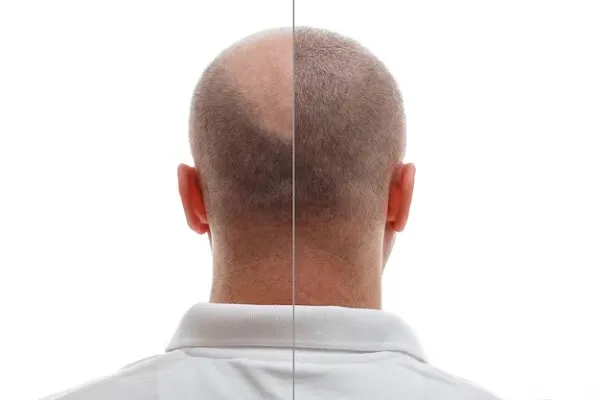
Yes, the transplanted follicles are genetically resistant to DHT, the hormone responsible for most hereditary hair loss. This means that once they take root and begin to grow, they should continue to produce hair for a lifetime. However, surrounding non-transplanted hair may still thin over time.
Maintenance treatments may be needed to support overall density. Surgeons often recommend a holistic approach to manage future loss. This question frequently appears in FAQs about hair transplant due to patients seeking long-term reassurance.
Read related blog: Is a Hair Transplant Permanent? Breaking Down the Long-Term Results
Are there any risks or side effects?
Like any surgical procedure, a hair transplant comes with potential risks, including infection, swelling, bleeding, or temporary numbness. When performed by a skilled surgeon, these risks are minimal, and complications are rare. Minor scabbing or shedding in the initial weeks is normal. Scarring can occur, but is usually minimal with advanced methods like FUE. Proper aftercare significantly reduces side effects. This topic is a common concern in FAQs about hair transplant, particularly for those new to surgical procedures.
How much does a hair transplant cost?
Prices for hair transplants vary widely depending on location, clinic reputation, surgeon experience, and the extent of the treatment. Some clinics offer all-inclusive packages, while others charge per graft or session. A full consultation is essential to receive an accurate and transparent quote. Additional services like follow-ups or medications may affect the total hair transplant cost. In cities like Istanbul or Berlin, prices can range significantly.
Can women undergo a hair transplant?
Yes, women also experience pattern baldness or thinning hair, often due to hormones, genetics, or stress. Hair transplants can help restore density and improve confidence. Suitability depends on the pattern of hair loss and available donor hair. A thorough consultation helps determine if the procedure is appropriate. Results in women are often very natural when performed by skilled specialists. As part of the FAQs about hair transplant, this question reflects growing interest among female patients. Many clinics now tailor treatments specifically for women.
What should I look for in a hair transplant clinic?
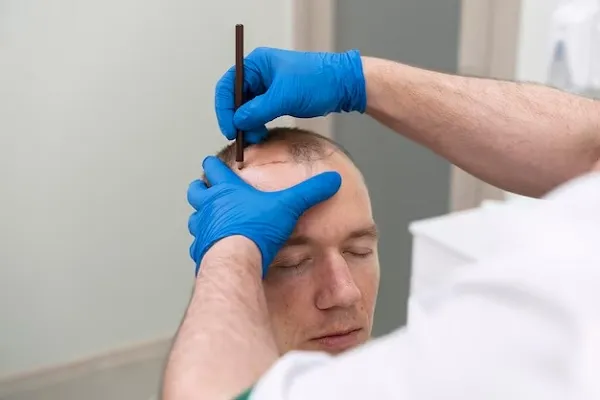
Choosing a reputable clinic with experienced surgeons is essential for successful results. Look for official certifications, verified patient reviews, and before-and-after photos to evaluate their expertise. A detailed consultation will help assess the surgeon’s approach, techniques used, and overall care.
Clinics offering clear answers to the FAQs about hair transplant show transparency and professionalism. You should also examine hygiene standards and technology used at the facility. Trust and communication with the clinic staff are vital throughout the entire process.
How soon can I hit the gym after my hair transplant?
Patients are often eager to resume physical activity, but recovery must come first. Most individuals can return to light workouts within a week of surgery. Strenuous exercises should be avoided for around three weeks to prevent pressure on the scalp. Increased sweating can interfere with healing and increase the risk of infection.
Read related blog: Gym after hair transplant
When & how can I remove scabs or crust after a hair transplant?
Scabs must fall off naturally—do not pick at them manually. They typically begin detaching within seven to ten days post-surgery. Gentle shampooing as instructed by your surgeon will assist the process without damaging the grafts. Using warm water and tapping motions is usually recommended. Patience and proper hygiene are critical to avoid dislodging implanted follicles. Results improve when the healing phase is respected.
When can I take a shower after a hair transplant surgery?
You can usually take a soft, warm shower the day after surgery if you avoid direct water pressure on the scalp. Follow your clinic’s specific instructions to maintain graft integrity. Pat dry the area and use only surgeon-recommended shampoo. It’s common for patients to ask about this, and good clinics provide clear aftercare guidelines. Avoid hot water and aggressive scrubbing. The initial shower is key to promoting cleanliness and recovery.
Do hair transplants leave scars?
The type of technique used affects the visibility of scarring. FUT often leaves a linear scar at the donor site, while FUE causes small circular marks that are less visible. Experienced surgeons minimise scarring through refined techniques and precise tools. For those concerned with long-term appearance, clinics should explain scarring outcomes in detail. Proper aftercare also influences how scars develop over time. Knowing the differences helps in choosing the right procedure.
Read related blog: Hair transplant on scars, does it work?
Is a hair transplant really costly?
Hair transplant pricing varies by clinic, technique, and the number of grafts needed. Though it may seem expensive, the benefits can last a lifetime. It’s important to compare packages and services across clinics. Transparent clinics include cost information within their FAQs about hair transplant, helping patients plan realistically. Some procedures, especially those involving large areas, may require higher budgets. However, viewing the transformation—such as in hair transplant before and after galleries—shows the value of the investment.
When should I choose a body hair transplant?
Body hair transplant is a suitable option when scalp donor hair is limited. It involves extracting hair from areas like the chest, back, or beard. Not every patient qualifies, so a detailed assessment with your surgeon is essential. Growth rates and texture vary between body and scalp hair, influencing outcomes. The decision depends on your hair characteristics and aesthetic goals.
Can I use hair from another person for the surgery on my scalp?
Hair transplants are designed to use the patient’s own hair follicles to prevent immune rejection and ensure natural growth. Using hair from another individual is medically unsafe and not permitted. The body would treat the donor hair as a foreign object, causing complications and transplant failure. Since the success of the procedure depends on biological compatibility, only your own follicles can be used. This method guarantees better healing and a lower risk of infection.
What is trichophytic closure?
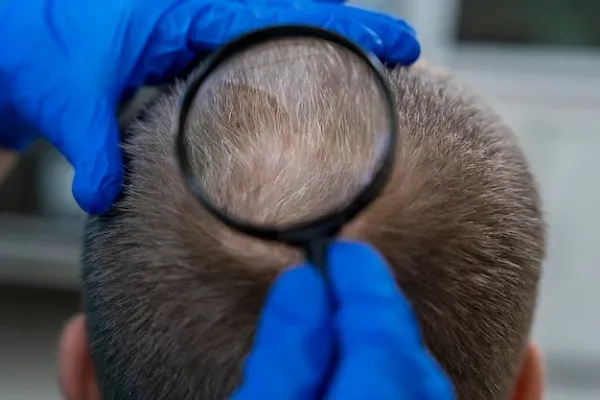
Trichophytic closure is a surgical technique often employed in the FUT method to reduce the appearance of linear scarring. It involves trimming the wound edges so that hair can eventually grow through the scar. This overlapping closure encourages a more discreet and natural-looking scar, making the outcome aesthetically pleasing. The technique is particularly useful for patients concerned about visible lines. It’s performed with precision by experienced surgeons.
Can smoking affect hair growth?
Yes, smoking negatively impacts circulation, which is vital for healing and graft survival after transplant surgery. It’s highly recommended to stop smoking before and after the procedure. Smoking reduces oxygen levels in the blood, delaying recovery and increasing the risk of complications. The best results come when blood flow to the scalp is uninterrupted. Quitting smoking improves not only your general health but also the success of your transplant. It’s a crucial step in pre- and post-operative care.
Read related blog: Sleep, Alcohol, and Smoking: Do They Really Impact Your Hair?
How many hairs usually grow out of one hair follicle or graft?
Hair follicles vary, often containing between one and four hairs depending on location and genetics. A single graft can produce multiple hairs, which is why placement and density planning are vital. Surgeons evaluate your donor area to decide how many grafts are needed. Multi-hair follicular units increase the effectiveness of the transplant. This allows for fuller coverage with fewer grafts. Advanced techniques now maximise growth while maintaining a natural look.
How much time will it take to grow hair after the surgery?
Hair growth is a gradual process following a transplant. Initial growth typically begins three to four months after surgery, though this varies between patients. The full result is usually visible after 9 to 12 months. Shedding may occur in the first few weeks, which is entirely normal. During this time, new follicles enter the growth phase. Following your surgeon’s aftercare advice ensures a smoother recovery and better outcome.
Do I need to get some blood tests before a hair transplant?
Pre-operative blood tests are commonly requested to ensure you’re fit for the procedure. These tests help identify any conditions that could affect the outcome or recovery. Typical screenings include complete blood count, blood sugar, and infectious disease panels. Your surgeon may recommend further testing based on your health history. The goal is to reduce risks during and after surgery. Ensuring you’re in optimal health helps guarantee the transplant’s long-term success.
What can you do during the shedding after a hair transplant?
Shedding is a standard part of the hair restoration journey, not a cause for alarm. It occurs when transplanted hairs temporarily fall out before regrowth starts. This phase is known as shock loss and usually happens within the first month. To manage it, follow your surgeon’s post-op instructions closely. Avoid scratching or excessive washing of the scalp. New growth generally begins a few months later, leading to fuller results.
Does PRP therapy have any complications?
Platelet-Rich Plasma (PRP) therapy is widely regarded as safe and effective. Most patients experience only minor side effects, like mild swelling or bruising. These symptoms resolve quickly and don’t usually require medical attention. PRP enhances healing and stimulates follicles, making it a popular complementary treatment. Nonetheless, it must be administered by a qualified professional. Discuss any concerns with your clinic before undergoing the therapy.
What to expect immediately after FUE hair transplant?
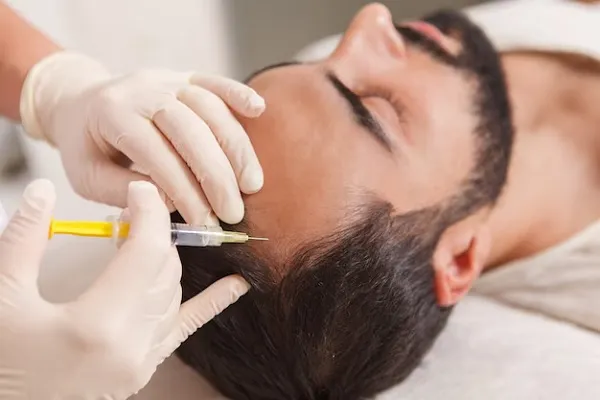
After an FUE hair transplant, patients usually experience slight swelling, redness, or sensitivity around the treated areas. These symptoms are mild and resolve within a few days. Tiny scabs will form at the graft sites, falling off naturally over time. It’s crucial not to pick at them to prevent scarring. Most patients return to work in a week. Proper aftercare, as advised by your surgeon, ensures optimal healing and outcomes for your FAQs about hair transplant experience.
When will my hair grow after a hair transplant?
Hair growth usually begins within three to four months after surgery, as the follicles adjust to their new position. Full visible results generally appear after one year. In the first few weeks, shedding of transplanted hairs is completely normal. This phase, known as “shock loss”, is temporary and paves the way for new growth. After about six months, most patients notice significant improvements in density and texture. By twelve months, the hair reaches its full natural thickness and coverage.
Do I need to keep my hair long after a hair transplant surgery to hide my donor scar?
For FUT procedures, keeping the surrounding hair longer can help camouflage any potential donor scar. However, modern closure methods like trichophytic closure greatly reduce scar visibility. FUE, by contrast, involves tiny punctures that heal quickly with minimal scarring. Most patients choose their hairstyle based on personal preference rather than medical necessity. Your surgeon will discuss the optimal post-transplant grooming strategy. A customised plan will ensure your new look is seamless and natural.
Is FUE hair transplant right for you?
FUE (Follicular Unit Extraction) is a minimally invasive technique ideal for those seeking a natural result without a linear scar. This method suits individuals wanting shorter hairstyles and faster recovery. During your consultation, your surgeon will evaluate your donor area, hair loss pattern, and long-term goals. FUE involves extracting individual follicular units using advanced tools. The recovery is typically quick, and the results look very natural. For many, FUE offers flexibility and long-lasting improvement.
How often do I need to visit the clinic after a hair transplant?
Post-operative visits play a critical role in the overall success of your hair restoration journey. Initial follow-ups occur within the first week to monitor healing and provide care instructions. Further check-ups may be scheduled after one month, three months, six months, and a year. Your surgeon tailors this schedule according to your progress and individual needs. These appointments help identify potential issues early. Long-term support ensures optimal growth and satisfaction.
How successful are hair transplants?
Hair transplants are highly effective when carried out by experienced professionals using the right technique. Success depends on the surgeon’s expertise, post-op care, and patient factors. Modern methods like FUE and microFUE have made it possible to achieve near-natural hairlines with permanent results. Patient compliance with aftercare significantly improves outcomes. According to current data, satisfaction rates are consistently high. Choosing a reputable clinic is essential for success.
Does transplanted hair fall out after a hair transplant?
Yes, initial shedding of the transplanted hair is expected and part of the natural process. This temporary loss, called “shock loss,” allows new hair to grow stronger. It generally occurs two to three weeks post-surgery. After this phase, the follicles begin producing new hair within a few months. Patients are advised to remain patient and follow care instructions carefully. Full growth typically resumes by month four or five. Visible results steadily improve from then on.
My hairs are starting to thin; should I go for a hair transplant?
A consultation with a qualified specialist is essential to determine if a hair transplant is the best option. Early thinning might be addressed with medical treatments such as minoxidil or finasteride. Some patients benefit from combination therapies, including PRP injections. In more advanced cases, surgical intervention may be the most effective route. A personalised diagnosis ensures the right treatment strategy. Acting early can improve outcomes significantly.
Can I have PRP during a hair transplant?
Yes, PRP (Platelet-Rich Plasma) is often used during hair transplant procedures to enhance results. PRP boosts healing and supports stronger, faster hair regrowth post-surgery. It involves drawing a small amount of your blood, processing it, and injecting the enriched plasma into the scalp. Many clinics integrate this method to maximise transplant success. The additional growth factors may reduce downtime. Your surgeon will explain their role in your treatment plan.
Is PRP therapy an alternative for a hair transplant?
PRP therapy is not a direct replacement for a hair transplant, but it can support hair growth in early thinning stages. It works best as a complementary treatment or in cases not yet requiring surgery. PRP helps strengthen existing follicles and prolong the hair growth cycle. Results vary depending on the individual and the underlying cause of hair loss. A specialist can help you assess whether PRP or surgery fits your needs. It’s often used in combination with other solutions.
Pimples on the scalp after a hair transplant: what to do?
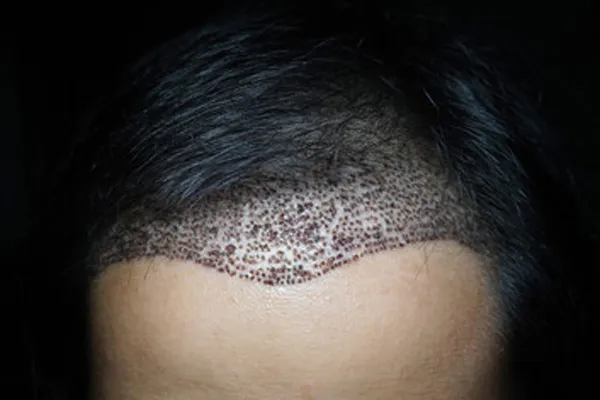
Post-surgical pimples or folliculitis can appear as part of the healing process. These bumps are generally harmless and resolve with proper scalp hygiene. They may be caused by clogged follicles during regrowth. Gentle cleansing with a mild shampoo usually alleviates the irritation. Avoid scratching or picking the area. If symptoms persist, your clinic can prescribe topical or oral medications. Prompt care ensures your transplant results remain unaffected.
Conclusion
FAQs about hair transplant provide essential guidance for anyone considering this life-changing procedure. Understanding the key aspects—from methods and recovery times to expected results—helps potential patients make informed decisions. With so much conflicting information online, having clear, concise answers to common concerns is vital. This empowers individuals to feel more confident and prepared before taking the next step.
Hair transplants are no longer taboo or a luxury reserved for a few. Advances in technology, such as FUE and DHI techniques, have made them more accessible and effective. However, success still depends greatly on choosing a skilled and experienced clinic. The right approach tailored to your specific hair loss condition can lead to natural, long-lasting results.
Equally important is aftercare. Post-transplant recovery plays a crucial role in the outcome. Patients should follow their surgeon’s guidance strictly, from avoiding sun exposure to managing scalp sensitivity. Proper care not only speeds up healing but also ensures healthier hair growth in the months to come.
FAQs about hair transplant highlight the importance of selecting a trusted provider. If you’re seriously considering a hair transplant and want expert care with proven results, we invite you to visit Capilclinic.uk. Our team of specialists is ready to guide you every step of the way, offering personalised treatments and honest advice tailored to your needs.
At Capilclinic, we’re trusted by thousands of patients in the UK and Europe as a leading Hair Transplant Clinic in Turkey and Spain, known for our expert doctors, advanced facilities, natural hairline results, and affordable all-inclusive packages. Reach out to our team today to start your transformation.