



The concern of hair loss has always troubled individuals, impacting their self-confidence and desire to regain a full head of hair. The evolution of hair transplant techniques has revolutionised the way patients approach hair restoration, offering solutions that are increasingly effective and accessible. In the realm of hair restoration, remarkable advancements have occurred over time, transforming the landscape of hair transplant procedures. From the early days of punch grafts to the emergence of robotic hair transplantation, the evolution of these techniques has paved the way for more natural-looking results, less invasiveness, and improved patient experiences.
When considering a hair transplant for men, the focus is not only on restoring hair but also on achieving a result that complements facial features and age. Today, various methods are available, tailored to individual needs and expectations. Alongside these medical improvements, the discussion about hair transplant fees has become more relevant as clinics offer different pricing models. Many patients also explore the option of a hair transplant package in Turkey, which often combines competitive costs with high standards of care.
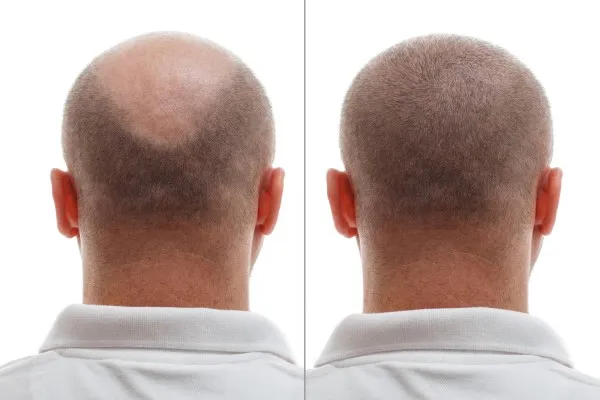
Visual proof of effectiveness is easily found in numerous hair transplant before and after galleries, showcasing dramatic transformations that boost confidence and quality of life. The continuous innovations have also led to shorter procedure times and minimal scarring, enhancing the overall experience. As technology progresses, the accessibility and affordability of hair restoration continue to improve, making it a viable option for a wider range of individuals. Understanding the evolution of hair transplant techniques helps patients make informed decisions and sets realistic expectations about outcomes and recovery.
What are the stages of the evolution of hair transplant?
Understanding the evolution of hair transplant is essential for anyone considering this life-changing procedure. Over the decades, hair restoration methods have drastically improved, offering more natural results and less invasive techniques. This article explores the key stages in the evolution of hair transplant, highlighting important advancements that shaped modern practices.
Stage 1: Punch grafts (1950s-1960s)
In the early stages of hair transplantation, pioneering surgeons introduced punch grafts as a primary method for restoring hair. This technique involved extracting circular sections of the scalp, each containing a cluster of hair follicles, using a special biopsy instrument. The harvested grafts were then transplanted into areas experiencing baldness or thinning. Although a significant leap forward, this approach often resulted in an unsatisfactory outcome with an unnatural appearance.
Stage 2: Mini/Micrografts and Strip harvesting (1980s-1990s)
To achieve more refined and natural-looking results, the 1980s and 1990s saw advancements in mini/micrografting techniques and strip harvesting, also known as Follicular Unit Transplantation (FUT). Mini/micrografts contained fewer hair follicles than punch grafts, allowing for better integration with existing hair. Strip harvesting involved surgically removing a strip of scalp from the donor area at the back of the head, which was then divided into smaller grafts for transplantation. While strip harvesting offered a more refined approach, it left a linear scar on the donor area, which concerned some patients. The variation in hair transplant fees during this time reflected the complexity and improvements of these new techniques.
Stage 3: Follicular Unit Extraction (FUE) (2000s-2010s)
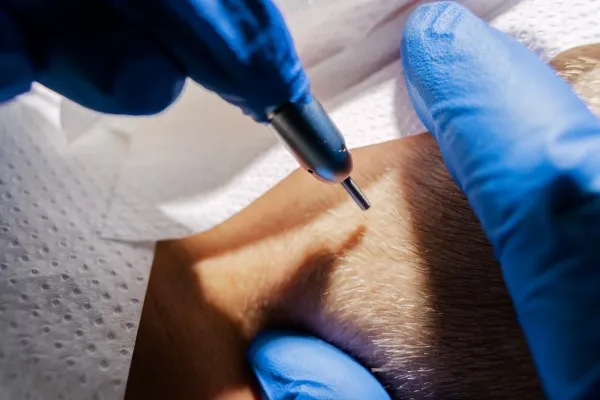
The breakthrough of Follicular Unit Extraction (FUE) in the 2000s revolutionised hair transplant techniques. FUE enabled the direct extraction of individual hair follicles from the donor area, typically at the back of the scalp. This approach eliminated the need for a linear scar, as each follicular unit was harvested separately using a small punch instrument. By preserving natural follicular units, FUE allowed for a more precise and less invasive procedure. Furthermore, it provided flexibility to extract hair from other body parts, expanding the donor pool for patients with limited scalp donor supply.
Stage 4: Robotic Hair Transplantation (2010s-present)
In the trajectory of innovation, the 2010s witnessed the introduction of robotic hair transplantation systems, exemplified by the ARTAS system. These advanced systems employed sophisticated imaging technology and robotic arms to automate the FUE process. Surgeons played a crucial role in planning the transplant and overseeing the robotic system, which precisely extracted hair follicles based on predetermined parameters. Robotic hair transplantation offered enhanced accuracy, speed, and consistency, reducing the potential for human error and further improving the patient experience.
Stage 5: Advanced techniques and technologies (2010s-present)
In addition to robotic systems, hair transplant techniques have seen a surge in advanced techniques and technologies aimed at optimising procedure outcomes. Platelet-Rich Plasma therapy, involving the injection of platelet-rich plasma derived from the patient’s blood into the scalp, has gained prominence. This therapy is believed to stimulate hair growth and improve the success rate of hair transplants. Stem cell therapy, exploring the potential of using stem cells to regenerate hair follicles and address hair loss, shows promise.
Additionally, Scalp Micropigmentation (SMP), a non-surgical technique that uses tattoo-like pigmentation to enhance the visual density of transplanted hair or create the illusion of a shaved head, has emerged. Many patients now consider a hair transplant package in Turkey for these advanced treatments due to the attractive combination of quality and affordability.
What are the advantages of the evolution of hair transplant?
The evolution of hair transplant techniques has transformed the field of hair restoration, offering patients more effective, comfortable, and aesthetically pleasing solutions. These continuous advancements have significantly improved the success rates of procedures and allowed more individuals to benefit from them. Thanks to modern innovations, natural results and faster recovery are now possible for many patients who previously lacked viable options.
The evolution of hair transplant methods represents a major leap forward in medical aesthetics, combining precision, safety, and customisation. Among the most noteworthy benefits are improved aesthetic outcomes, increased donor availability, and reduced recovery times. These developments have impacted the success of hair transplant for men and women, offering more tailored and minimally invasive procedures. Below are the most relevant advantages of current hair transplant techniques, reflecting the cutting-edge technology and refined surgical methods now available in the field.
1- Minimally invasive procedures
In the past, hair restoration involved punch grafts that were more invasive and required larger incisions. Today, thanks to advancements like FUT and FUE, procedures are much less intrusive. FUE, especially, has revolutionised the process by avoiding linear scarring, making it ideal for those seeking discreet results. It also reduces the risks associated with surgery, allowing for smoother procedures with better outcomes.
With smaller incisions and less tissue trauma, minimally invasive techniques lead to quicker healing. Patients report significantly less discomfort and shorter downtime after surgery. This not only minimises disruption to daily routines but also enhances the overall experience of undergoing a transplant.
2- Expanded donor pool
FUE and robotic extraction methods have expanded the traditional donor zones beyond the scalp. In the past, only the back of the head was suitable for harvesting hair follicles, limiting options for many candidates. Now, with new technologies, hair can be extracted from areas like the chest or beard.
This broader donor availability makes the procedure viable for more people, even those with limited scalp hair. The ability to use body hair has become a game-changer in complex cases, particularly for patients seeking corrective procedures or those who previously had failed transplants.
3- Precise extraction and transplantation
Technological innovation has led to unmatched levels of precision in both extraction and implantation. Robotic systems like ARTAS use digital imaging and robotic arms to select the healthiest follicles and extract them without damaging the surrounding tissue.
The precision continues during implantation, ensuring even distribution and realistic density. This level of accuracy not only increases graft survival but also enhances the natural appearance of the results. It’s a major reason why many patients now experience remarkable improvements when comparing hair transplant before and after outcomes.
4- Reduced downtime and faster recovery
One of the most appreciated benefits of modern techniques is the reduced recovery period. Unlike older procedures that required extended downtime, new methods allow patients to heal much faster. This is primarily due to less invasive tools and techniques that minimise trauma to the scalp.
With shorter healing phases, patients can resume their daily routines sooner and with greater confidence. Swelling and discomfort are also less pronounced, which leads to a more comfortable and manageable post-op experience for the majority of individuals undergoing the procedure.
5- Advances in adjuvant therapies
New supporting therapies have also emerged to maximise the effects of transplantation. One such innovation is PRP therapy, which uses the patient’s own platelets to stimulate hair growth and improve graft survival after surgery.
These adjuvant treatments help ensure the best possible outcomes by boosting natural regrowth and strengthening existing hair. As a result, patient satisfaction has increased, with many reporting fuller, healthier hair in the months following the transplant procedure.
Conclusion
The evolution of hair transplant procedures has been marked by significant advancements, transforming from early techniques to the sophisticated methods available today. Initially, punch grafts were employed, leading to noticeable and often unnatural results. Subsequent developments introduced mini and micrografts, enhancing the natural appearance of transplants. The advent of Follicular Unit Extraction (FUE) further refined the process, offering minimally invasive options with reduced scarring. More recently, robotic systems have been integrated, improving precision and consistency in hair restoration procedures.
These technological advancements have not only improved the aesthetic outcomes of hair transplants but have also contributed to a more comfortable and efficient patient experience. The continuous evolution reflects a commitment to enhancing both the effectiveness and accessibility of hair restoration treatments.
As we look to the future, ongoing research and development promise even more refined techniques, potentially incorporating regenerative therapies to further improve hair restoration outcomes. This progression underscores the dynamic nature of the field and its responsiveness to patient needs and technological innovations.
If you’re considering a hair transplant and wish to benefit from the latest advancements in the field, Capilclinic offers state-of-the-art procedures tailored to individual needs. Visit capilclinic.uk to learn more and schedule a consultation with our expert team!
At Capilclinic, we’re trusted by thousands of patients in the UK and Europe as a leading Hair Transplant Clinic in Turkey and Spain, known for our expert doctors, advanced facilities, natural hairline results, and affordable all-inclusive packages. Reach out to our team today to start your transformation.