



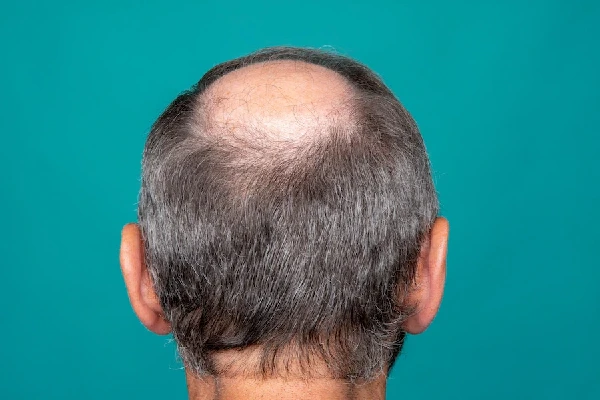
When you see hair transplant clinics promising prospective patients the possibility of returning to their daily activities after surgery. You should know that it’s not solely a marketing technique. Instead, it’s a reality made possible through the development of science and technology in hair restoration treatments. Unlike before, you can now have your hair transplant surgery and resume your routines a few hours later without any hassle.In this article we will talk about effects of Hair Transplant on sexual life.
However, there’s an exception to this, and it’s essentially built around the intensity of some activities. There’s a likelihood your surgeon points it out during your pre-operative consultation. But if they don’t, and you’re curious to know, you’re on the right path to fully realize the results you’ve always anticipated from having a hair transplant surgery.
Here, we will specifically discuss the effects of hair transplant surgery on sexual life and how it can determine both the negative and positive outcomes of the procedure. We’ll also profer alternative solutions that are medically allowed to ease sexual urges after a hair transplant. So please read on to take away as much information as possible.
Effects of Hair Transplant on Sexual Life

When you see a post about the effect of a hair transplant on sexual life, it’s possible to think hair transplant stops people from having sex. While this is true, it’s only a half-truth that doesn’t tell the whole story. The full truth is that hair transplant affects the sexual life of patients only for a short period which is usually during the recovery phase after the operation.
During this period, the newly grafted hairs are at their most sensitive and vulnerable state, and any effortful activity like sexual intercourse by the patient can negatively affect the results. In fact, the effects are sometimes immediate, such that the grafted hair may fall out from implanted areas. If you’re wondering how these relate, please keep reading.
Sexual intercourse requires so much effort from the participants.
It also involves touching, dabbing, caressing, increased blood flow and heart rate, and sweating. If your partner mistakenly dabs, touches or caresses the hair transplant area, they could dislodge the transplanted grafts from the scalp. Even if you decide to have sexual intercourse that wouldn’t involve any form of touch, sweating is another factor that can affect the hair grafts.
The availability of moisture around the area through sweats may counteract growth because sweats contain lactic acids, which aren’t so friendly to the hair. Also, the presence of moisture can block air entry to the scalp, which can cause complications. In addition, an increase in blood flow can lead to more bleeding around the incision sites, which can also cause complications.

All these activities from sexual engagements can affect the outcome of your hair transplant surgery. Its negative effects are essentially bad outcomes. But if you can avoid sexual engagements, you get desirable outcomes after your surgery. You can begin to participate in sexual engagements 10 to 12 days after your surgery. But to be free of any doubts, you can extend it to a month.
Can I have sex after a Hair Trasplant?
A hair graft is a delicate procedure that involves transplanting hair follicles from a donor area (usually the back of the head) to the areas where more hair is needed. After undergoing this surgery, it is crucial to follow post-operative guidelines to ensure a successful recovery and optimal growth of the transplanted hair.
Here are the key considerations regarding sexual relations after a hair transplant:
Period of abstinence
For the first few days after the graft, it is essential to abstain from sexual intercourse. Doctors generally recommend avoiding all sexual activity, including masturbation, for at least the first 7 to 10 days. This allows the newly transplanted hair grafts time to properly anchor into the scalp without shifting.
Adequate Healing
The grafts need approximately 7 to 10 days for their roots to become firmly anchored in the scalp tissue. During this period, any movement or excessive friction (such as that which occurs during sexual intercourse) could affect the survival of the follicular units.
Risk of Infection
Increased sweating and skin contact during sex can facilitate bacterial or fungal infections in surgical wounds and scalp healing areas. Therefore, it is important to avoid sex for the first 7 to 14 days after surgery.
Prudent Waiting
It is usually safe to resume sexual activity with caution approximately 10 days after hair grafting, provided that healing is progressing adequately. However, it is recommended to wait at least 3 full weeks before engaging in more intense sexual intercourse.
Patience and care are key. By following medical advice, you can get back to enjoying your usual sex life while allowing your hair grafts to establish safely – and remember that your new hair growth is at stake too!
What Can A Patient Do to Ease Sexual Urges During this Period?
Masturbation is medically allowed after a hair transplant because it requires fewer efforts and touches than sexual intercourse. Additionally, the chances of a deliberate or accidental touch from sexual movements are eliminated, and blood pressure is reduced. First, however, confirm if you can do this with your surgeon.
When can I resume my sex life after a hair transplant?
After undergoing a hair transplant, it is normal to ask yourself questions about the recovery process and restrictions. One of the common questions is: when can you resume sexual activity without affecting the results of the graft? Let me clarify a few points for you:
General recovery time
Generally, patients can resume their daily life 1-3 days after the procedure. However, please note that any strenuous physical activity, including sexual intercourse, should wait a little longer.
Full recovery takes time, and it is important to follow post-operative instructions for the best results.
Minimal wait before resuming sexual activity
Hair grafts take 4-12 days to adapt to the recipient site and settle completely2.
Therefore, it is recommended to wait at least 10 days after hair transplantation before resuming sexual intercourse.
During this period, you should avoid any activity that causes excessive sweating or sudden movements of the head, as this may affect the results.
Post-operative guidelines
In addition to sexual activity, there are other guidelines to follow after hair transplantation:
- Avoid intense exercise for the first month.
- Don’t worry, you will be able to resume your normal routines gradually.
- If you have any further questions about the postoperative period, do not hesitate to consult the specialised medical team.
Hair Transplant Surgery
A hair transplant is a delicate operation that must be done under the supervision of a proven surgeon who has an immense track record in practicing the operation. This is entirely due to the results because these types of surgeons can give the outcome every patient wants. However, the failure to choose a proven surgeon can expose patients to unsavory ones that have little knowledge about the intricacies of the operation.
This operation involves the surgical transfer of hair from an abundant spot to another spot with little or no hair. It is done using two techniques known as follicular unit extraction (FUE) and follicular unit transplant (FUT). Each of these techniques is used depending on the patient’s preference and demands of their hair loss condition.
However, the successful outcome of both procedures depends on the surgeon, as we’ve stated, as much as it depends on the patients. How does the outcome depend on the patient? The patient is required to perform certain post-operative care that furthers the success of the surgery. While it’s primarily overseen by the clinic and surgeon that performed the surgery, part of it is committed to the patient.
Hair Transplant Post-Operative Instructions
Hair transplant post-operative instructions entail the do’s and don’ts a patient must adhere to after the surgery. Most of the time, these instructions require a degree of commitment by the patient. But they are usually aimed at achieving the greater good – an outstanding outcome that transcends patients’ expectations. While most of these instructions are primarily clinical, others aren’t but can have a clinical effect if they aren’t adhered to.
One of these instructions is avoidance of physically strenuous exercises. While it’s possible to think this instruction is for those that do physically demanding jobs, that’s not always the case. People who aren’t into such jobs can also engage in physically strenuous exercises. So whether you do that kind of job or not, you must avoid such activities.
Is sex among the various physically demanding exercises hair transplant patients must abstain from? If yes, what’s the effect of the surgery on a patient’s sexual life? How does abstinence from and indulgence in sexual acts determine the outcome of hair transplant procedures?
Long-term benefits
Hair transplantation is a fascinating subject and can certainly make a big difference to the lives of those struggling with hair loss. Let me elaborate on the long term benefits of this procedure:
Organic and Safe Process
Hair transplantation is an organic process that involves no drugs or harsh chemicals. It is based on the redistribution of hair follicles from a donor area (usually the back of the head) to bald or thinning areas.
As it is a natural solution, there is no risk of harmful side effects to health.
Baldness disappearance
Hair transplantation can achieve amazing results. As the implanted follicles grow, the hair becomes thicker and covers the previously bald areas.
Approximately 10 to 12 months after transplantation, the final results can be seen. The new hair will be fine at first, but will eventually become thicker.
Improved Appearance and Confidence
Regaining lost hair not only affects physical appearance, but also self-esteem and self-confidence.
Hair transplantation allows people to feel more attractive and confident, which positively influences their quality of life.
Low Maintenance
Once the follicles are properly implanted, the hair grows naturally and requires no special care.
There is no need for ongoing treatments or expensive products to maintain the results.
Cost-effective
Although hair transplantation may initially seem like an investment, it is cost-effective in the long run. There is no need for ongoing maintenance or additional expenditure on hair products. So the cost of hair transplantat is not so high in the long term.
Fewer Side Effects Compared to Other Hair Treatments
Compared to options such as medications or lotions, hair transplantation has fewer side effects.
The replaced hairs are almost always permanent, which means no long-term care is required.
Conclusion
It’s almost impossible to overemphasize how delicate a hair transplant is. But when you evaluate what’s required from the surgeon and the patient. You’ll realize it’s not as simple as it seems. As an individual that wants to have a hair transplant or one that’s freshly undergone the procedure. The surgery will affect your sexual life. Still, it’s only for a short period, after which you can resume all sexual engagements. So please make the right decisions.