




Dealing with baldness, thinning, and other hair loss conditions is inherently a handful. However, when you eventually get a solution, like capillary implantation, but this is a bad capillary implant, the effects can be overwhelming. Patients who are victims aren’t only disappointed about how it looks; they are also sad about the effects it shows. A bad outcome of capillary implantation has various causes, some of which are majorly from the surgeon who performed the procedure, while a few others are from the patient.
No matter the case, the effects are daunting. So, it’s good to identify some of these causes to avoid a bad capillary implantation. This article will discuss some of the causes of bad capillary implantation and the effects of such implantation. It’ll also highlight whether some of these effects have corrections. But first, what does bad capillary implantation mean?
What are the side effects of a bad capillary implant?
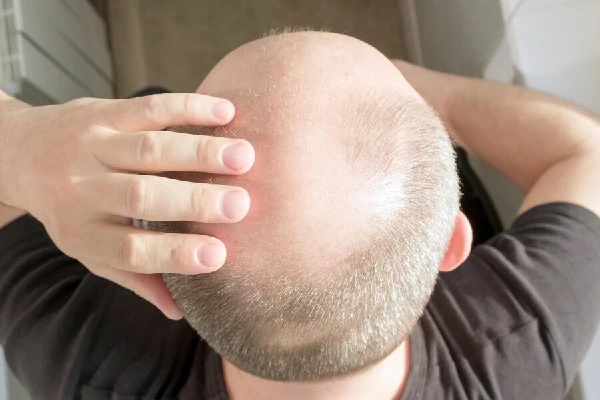
In the not-so-distant future, capillary implants have become a common procedure for rejuvenating skin and reducing visible signs of aging. However, for some unfortunate patients, the procedure of a bad capillary implant goes awry due to human error or unexpected complications.
1. Graft dislodgement
A poorly executed capillary implant can be easily recognized by the lack of stability in the grafts post-implantation. Initially, the grafts require some time to establish a secure foothold in the scalp; however, this does not imply that they are impervious to dislodgment from mere touch or pressure. Consequently, one of the primary issues associated with subpar capillary implantation is the unexpected dislodgement of grafts.
In some cases, these grafts may simply fall off, but even if they manage to remain in place, they often fail to thrive, resulting in a flat and unappealing appearance. For certain patients, the newly grown hair might emerge so sparsely that it resembles thinning hair rather than the vibrant look they anticipated. These unsatisfactory outcomes are a frustrating reality for those who experience the drawbacks of inadequate capillary implantation.
2. Uncontrollable bleeding
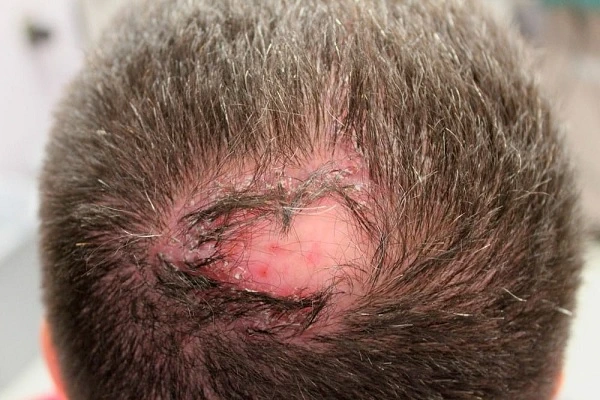
Bleeding is a common side effect associated with the capillary implant procedure. It occurs as a result of incisions made in both the donor and recipient areas during the operation and can sometimes continue for a short while after the procedure ends. Typically, the bleeding subsides relatively quickly, allowing for a smooth recovery.
However, if the procedure is not performed correctly, it can lead to uncontrolled bleeding. This more severe reaction may persist for an extended period, prolonging the recovery process and complicating the situation further. If left unaddressed, the continuous bleeding could result in more serious complications, making prompt intervention essential for ensuring the patient’s safety.
3. Poor growth
The primary goal of capillary implantation is to promote hair growth in areas affected by baldness and thinning. The surgical method’s skill and precision are crucial for achieving this outcome within a specific timeframe after the procedure. When the procedure is performed correctly, patients often experience results that not only meet but surpass their expectations.
Conversely, a bad capillary implant can lead to unsatisfactory results. In such cases, hair may fail to grow altogether, or if it does, the growth may be uneven and sparse. This issue of inadequate hair regrowth is particularly prevalent among individuals who have not confronted the full consequences of a botched capillary implant. The difference between successful and disappointing outcomes underscores the importance of meticulous technique and expertise in this delicate procedure.
4. Lack of trust in the procedure
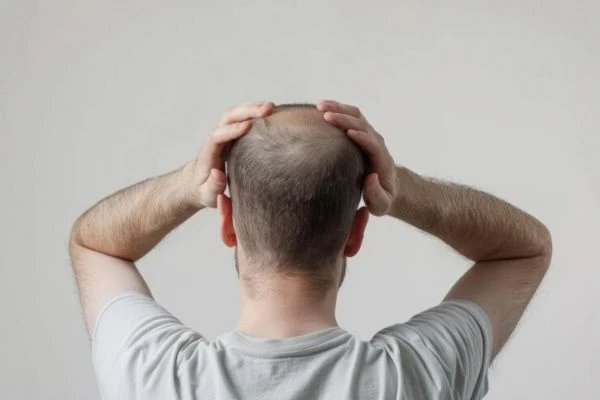
When patients endure a traumatic experience that results in unfavorable outcomes, it’s understandable that their trust in the procedure diminishes significantly. Regardless of the procedure’s overall success rate, the individual’s personal experience plays a crucial role in shaping their viewpoint.
If that experience is marked by distress and disappointment, shifting their perspective to a more positive outlook can prove to be a formidable challenge. The emotional scars left behind can create a lasting sense of distrust, making it difficult to reconcile their feelings with the potential benefits that the procedure might offer.
What is a Bad Capillary Implant?
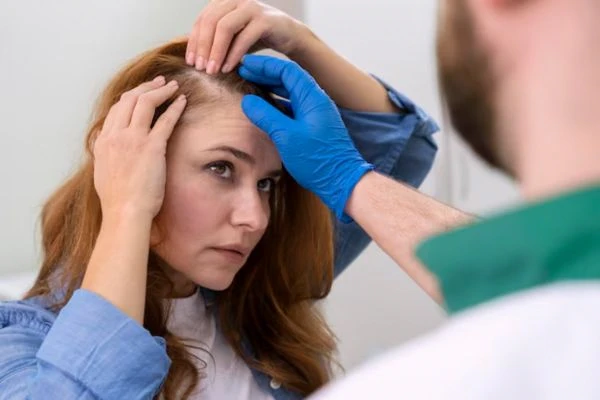
Bad capillary implantation fails to meet key success factors, such as manageable temporary side effects, steady hair growth, natural appearance, correct hair orientation, and no post-operative complications. It also leads to various uncontrollable side effects that hinder the intended results of the surgery.
Such disappointing outcomes erode patients’ trust in the surgeon, clinic, and procedure. They waste time and resources, diminishing patients’ hope for a solution to hair loss. While some poorly done implantations may not be obvious without careful examination, other patients clearly show the negative effects.
What are the causes of a Bad Capillary Implant?
There are a few potential causes for a bad capillary implant in a story. The capillary itself could have been damaged or improperly inserted, leading to leaks or blockages in blood flow, among other causes.
1. Unqualified surgeon
A capillary implant has various clinical and technical requirements that can only be met with mastery. For this reason, people hoping to have the procedure are often advised to choose proven surgeons and trusted clinics. The quality of the outcome depends on who performs it and where it is performed.
Choosing a proven surgeon with the necessary qualifications for performing the procedure improves a patient’s chances of getting desirable outcomes. However, making a random choice and ending up with a mediocre surgeon leads to terrible outcomes. Hence, one of the main reasons for a bad capillary implant is the use of an unqualified surgeon.
2. Overharvesting of donor site
The donor site is the crucial area where hair grafts are extracted for capillary implantation. During this delicate procedure, the surgeon must ensure that the harvested grafts are balanced and proportional to the existing hair density in the surrounding area. If the hair in the donor site lacks volume, and the surgeon proceeds to harvest grafts excessively, it can result in overharvesting. This not only complicates the subsequent implantation process but can also compromise the overall aesthetic outcome.
Moreover, if the harvesting isn’t done with precision and care, it may inflict significant damage to the scalp. Such damage can jeopardize both the success of the hair transplant and the scalp’s capacity to grow healthy hair in the future, leading to long-term consequences for the individual’s hair restoration journey.
3. Failure to stick to instructions
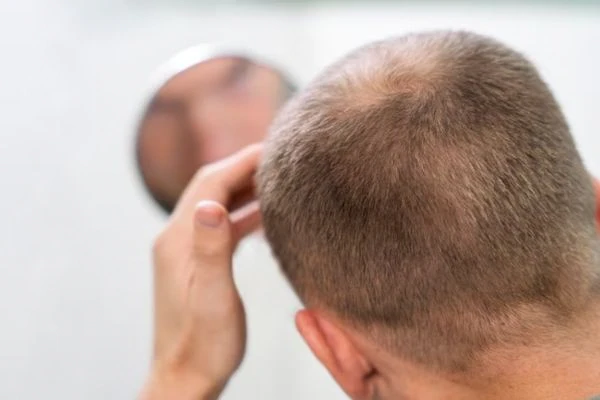
Patients receive detailed pre-operative and post-operative instructions because certain actions and omissions can significantly impact the success of capillary implantation. For example, after surgery, patients are strongly advised to refrain from engaging in strenuous activities that might induce excessive sweating, as this can negatively affect the healing process.
Additionally, they are instructed to avoid touching or washing the treatment area for a specified period to prevent irritation or infection. Despite the clear communication from surgeons and clinics regarding these essential guidelines, some patients struggle to follow them. When they disregard these crucial recommendations, it often results in unfavorable outcomes for the capillary implantation procedure, undermining its intended benefits.
4. Flawed aftercare
Capillary implantation aftercare is a critical continuation of the initial implantation process. During this phase, the grafts undergo careful observation to determine which ones may require additional procedures or maintenance. This stage also emphasizes the importance of maintaining hygiene in the incision areas to promote healing and prevent complications.
Neglecting proper aftercare routines can result in undesirable outcomes, impacting the overall success of the procedure. While clinics and surgeons hold responsibility for providing guidance and support, patients must also actively participate in their own aftercare. Even small oversights can lead to significant issues in the capillary implantation process, underscoring the importance of diligence and attention to detail during this crucial phase.
How is the post-operative care?
Proper post-operative care is crucial for ensuring the success of a capillary implant. Following the procedure, patients should adhere to best practices to promote healing and achieve optimal results.
- Follow surgeon instructions: Patients must closely follow all pre-operative and post-operative instructions provided by their surgeon. This includes guidelines on medication, cleaning the treatment area, and any necessary lifestyle adjustments.
- Keep the area clean: Gently cleanse the scalp with a mild, non-irritating shampoo as recommended. Avoid scrubbing or applying pressure to the treatment area for the first few days to prevent damage to the grafts.
- Avoid Strenuous Activities: Refrain from engaging in intense physical activities or heavy lifting for at least two weeks post-surgery. Excessive sweating can negatively impact the healing process and the stability of the grafts.
- Limit sun exposure: Protect the scalp from direct sunlight. Wearing a loose hat or scarf can help shield the area from UV rays, which can irritate the scalp and affect healing.
- Stay hydrated and maintain a balanced diet: Drink plenty of water and consume a nutritious diet rich in vitamins and minerals. Proper nutrition supports the healing process and hair growth.
- Schedule follow-up appointments: Attend all scheduled follow-up appointments to monitor progress and ensure that the healing process is on track. These visits also allow the surgeon to address any concerns.
Faq’s
What physical effects can occur from a bad capillary implant?

Physical effects of a bad capillary implant include graft dislodgement, poor hair growth, and uncontrollable bleeding. Graft dislodgement can lead to visible patches of missing hair, while poor hair growth may result in thin or uneven hair density. Uncontrolled bleeding can complicate recovery and prolong the healing process, possibly leading to more severe complications.
How can a bad capillary implant affect a patient’s mental health?
Experiencing a bad capillary implant can significantly impact a patient’s mental health. Many individuals may suffer from decreased self-esteem and body image issues due to unsatisfactory results. The disappointment and emotional distress from a failed procedure can lead to anxiety and mistrust in hair restoration options, making it difficult for patients to consider future treatments.
Are the effects of a bad capillary implant permanent?
While some effects of a bad capillary implant may be temporary, others can be permanent if not addressed promptly. For instance, if grafts do not take root properly, it may result in permanent hair loss in the affected areas.
Conclusion
Bad capillary implants can lead to a host of undesirable effects, significantly impacting a patient’s appearance and emotional well-being. The primary causes often stem from the surgeon’s qualifications, patient compliance, and the quality of post-operative care.
While some complications may be correctable, they can create long-lasting emotional scars and distrust in the procedure. To minimize risks and achieve the desired results, people considering capillary implantation must thoroughly research their options, choose qualified professionals, and adhere closely to all care instructions.