



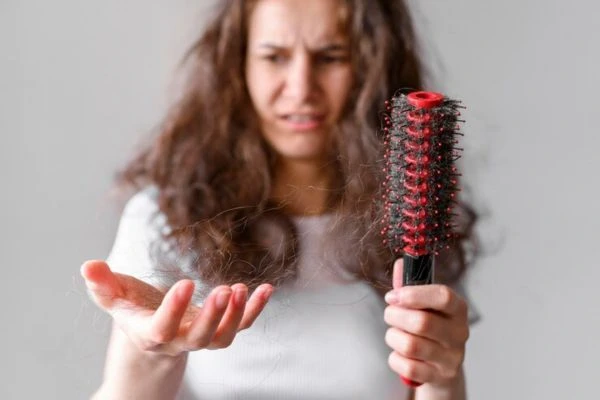
Consumers often grapple with a fundamental question regarding hair loss treatments: Do anti-hair loss shampoos work? What is the most effective anti-hair loss shampoo? Pharmacies and par-pharmacies offer many products, including shampoos, lotions, and oils, each promising to prevent or stop hair loss. Given the wide range of choices, consumers often feel overwhelmed and uncertain about which products fulfill their promises. To determine the effectiveness of anti-hair loss shampoos, it’s crucial to look beyond marketing claims and packaging.
While many hair care products claim to prevent hair loss or promote growth, not all are supported by scientific evidence. Consumers should scrutinize the active ingredients and opt for products containing scientifically validated components like minoxidil or ketoconazole. Those chemicals are known for being an effective anti-hair loss shampoo. Consulting with a dermatologist or healthcare professional can offer valuable guidance in selecting the most appropriate anti-hair loss shampoo tailored to individual needs, ensuring informed decision-making.
Key Considerations Before Choosing an Effective Anti-Hair Loss Shampoo
Before selecting an effective anti-hair loss shampoo, individuals experiencing hair fall should carefully evaluate several essential factors. The first vital step is seeking an in-person medical evaluation from a board-certified dermatologist or trichologist. A specialist can properly diagnose the underlying cause of hair loss through clinical examination and occasionally laboratory tests.
Hair loss can stem from various factors, such as genetic predisposition, medical conditions, nutritional deficiencies, stress, or medication side effects. It’s crucial to distinguish between types of alopecia, like androgenic alopecia, alopecia areata, telogen effluvium, or traction alopecia, as each may require different treatment approaches.
Diagnosing the Cause of Hair Loss
Once a diagnosis is established, the medical expert can recommend a suitable treatment plan. Depending on the root cause and severity of the hair loss, that plan may involve different changes. These changes might include lifestyle, medications, supplements, medical devices, or minor surgical procedures.
They can also advise on whether an over-the-counter hair loss shampoo may provide additional support or if prescription solutions are more appropriate. Without this specialized evaluation, individuals risk wasting time and money on products that may not address their specific condition and may delay seeking more effective therapies. Additionally, certain shampoos should be avoided for particular types of alopecia to prevent exacerbating the condition.
Evaluating Shampoo Ingredients and Manufacturing Standards
Assuming a shampoo is deemed suitable, people should scrutinize the ingredients and manufacturing standards of the available options. Leading brands transparently list all components and source them responsibly. Key ingredients to consider include ketoconazole or zinc pyrithione. They have anti-fungal and anti-inflammatory properties to minimize scalp inflammation and block DHT, a driver of genetic hair loss.
Amino acids such as arginine, hydrolyzed collagen, and amino peptides support hair growth. Herbal extracts like green tea saw palmetto, and nettle provides antioxidants and nutrients to nourish hair follicles. The formulation is another significant factor, as certain hair types may require a gentle cleanser without harsh sulfates. Opt for sulfate-free and paraben-free options, with a pH balance suitable for one’s scalp condition—slightly acidic for oily scalps or balanced for dry ones.
Check customer reviews and brand reputation through consumer organizations for real-world feedback on efficacy and tolerability. Premium brands adhere to stringent manufacturing practices in regulated facilities and undergo extensive clinical testing, minimizing the risk of side effects or allergic reactions.
Implementing a Holistic Hair Care Routine
An effective anti-hair loss shampoo should complement a holistic hair care routine alongside a specialized treatment plan. Individuals should continue other recommended measures, maintain a healthy lifestyle, and manage stress. Since hair grows in cycles and shedding is natural, visible regrowth may take 4-6 months with consistent use of effective products and adherence to medical advice.
Unrealistic expectations from misleading advertisements can lead to disappointment, so any significant changes in hair quality or quantity should be promptly reported to the treating physician for adjustments. With patience and diligence in following expert guidance, individuals increase their chances of regaining confidence with healthy hair.
Potential side effects of anti-hair loss shampoo
Consumers must be mindful of potential side effects from prolonged use of anti-hair loss products. One specific active ingredient known to pose potential risks with excessive use is ketoconazole. Ketoconazole is a component found in anti-dandruff and anti-hair loss shampoos, and it functions by reducing inflammation and inhibiting DHT production. However, overuse without proper medical supervision can lead to adverse effects such as nausea, upset stomach, skin rashes, or allergic reactions.
Infrequent reports suggest ketoconazole may interact with other medications if overused. Prolonged high doses can harm organs in some users. Short-term use is generally safe per guidelines, but consult a healthcare provider for duration advice. Close medical supervision is crucial, especially for those with existing conditions.
Challenges with anti-hair loss shampoos
Furthermore, many consumers overlook that external applications of numerous shampoos and oils may not yield substantive results. These products often fail to penetrate deeply enough to reach the root of the hair follicle, where practical impact is needed most. Additionally, misconceptions about hair washing frequency abound—from excessive daily washing to infrequent weekly washing, both practices can adversely affect scalp health and exacerbate hair loss concerns.
Once a specialist diagnoses and prescribes a suitable and effective anti-hair loss shampoo, another critical consideration emerges: Is it advisable to continuously stick with the same effective anti-hair loss shampoo? Experts generally advise that consistency with the same product is acceptable if a treatment effectively manages scalp conditions like seborrhea or dandruff. Changing shampoos frequently is unnecessary unless new scalp issues arise, ensuring treatment efficacy and hair care maintenance continuity.
How to prevent hair loss?
Androgenic alopecia, commonly known as male or female pattern baldness, presents a challenging form of hair loss that cannot be prevented entirely. Nevertheless, effective methods exist for managing and treating this condition. A crucial aspect of addressing androgenic alopecia involves diagnosing and treating it promptly to strengthen healthy hair follicles, thereby preventing further weakening and reducing hair loss. Here are some proven tips to help prevent hair loss:
1. Seek Early Specialist Advice
When unusual hair loss is noticed, seek advice from a qualified specialist promptly. Early intervention provides valuable insights into the cause and appropriate treatment options.
2. Follow the Specialist’s Treatment Plan
After receiving an early diagnosis, diligently follow the specialist’s treatment plan. Adhering to prescribed treatments effectively halts the progression of alopecia.
3. Consistency in Treatment
Consistently follow the prescribed treatment regimen. It may include medications, topical treatments, or other recommended interventions to manage alopecia.
4. Consider Hair Transplantation
Recognize that hair transplantation may often be the most effective solution for restoring hair density. Consulting with a specialist is crucial to assess suitability and discuss potential benefits and risks.
5. Understanding Hair Care Practices
Good hair care practices and a balanced diet are essential for overall hair health. It’s important to understand that regular haircuts and vitamin supplements do not specifically treat androgenic alopecia or prevent hair loss.
By implementing these measures, individuals can take proactive steps to manage and treat androgenic alopecia effectively. Our list of the best-selling anti-hair loss shampoos is available.
How is the hair growth cycle?
The average hair growth cycle consists of three main phases: the anagen phase, the catagen phase, and the telogen phase. During the anagen phase, the hair follicle grows as the papilla produces new hair cells and pushes the hair shaft through the skin. Following this phase, in the catagen phase, which lasts 2-3 weeks, the hair follicle shrinks and separates from the dermal papilla, marking the beginning of the resting phase.
The hair remains in the follicle without growth in the telogen or resting phase, which can span about 3 months. Eventually, the hair sheds naturally, and new hair starts regrowing during the subsequent anagen phase. The disruption of this cycle, which leads to hair loss, can be influenced by various factors. For instance, dihydrotestosterone (DHT), a byproduct of testosterone, can progressively shrink hair follicles over several cycles, causing each new hair to become finer until growth ceases.
Genetics also contribute; specific genes predispose individuals to androgenic alopecia, where elevated DHT levels shrink scalp follicles. Scalp inflammation from dandruff or psoriasis can damage follicles and trigger chemicals that prematurely initiate the telogen phase, resulting in excessive shedding. Understanding these disruptions in biological processes helps select appropriate treatments targeting the underlying causes of hair loss.
Faq’s
What is the most effective anti-hair loss shampoo?
While various shampoos may help, the most effective option depends on the individual’s diagnosis. Consulting a dermatologist allows them to recommend a prescription or OTC shampoo tailored to the specific type and cause of hair loss. Topical solutions like ketoconazole and minoxidil are backed by research but must be combined with lifestyle changes and other treatments as directed by a medical expert.
How long does it take to see results from an anti-hair loss shampoo?
Most individuals will not see immediate regrowth or results. Hair grows in cycles, so consistent use of effective products for at least 4-6 months as part of a specialized treatment plan is needed. Visible regrowth may take this long. Sticking to medical advice, addressing the root cause, and maintaining a healthy lifestyle can help maximize regrowth over time.
Are anti-hair loss shampoos safe to use long-term?
When used as directed under medical guidance, many anti-hair loss shampoos are generally well-tolerated long-term. However, certain active ingredients, like ketoconazole, could potentially cause side effects if overused without breaks. It’s best to consult a dermatologist on appropriate duration, always stop use, and report any concerning reactions. Long-term safety depends on individual factors and responses, so medical supervision is advised.