



Dyeing hair after transplant is a common concern for patients recovering from hair restoration procedures. During a hair transplant, little punch grafts are removed from the scalp, or a bigger piece of the scalp is removed from a donor site and divided into smaller pieces for use as grafts. This process allows surgeons to redistribute healthy hair follicles to bald or thinning areas, restoring natural hair growth patterns. Then, these grafts are moved to a scalp region that is bald or losing hair. This method ensures hair regrows in a way that mimics natural density and direction. Understanding how does a hair transplant work helps set realistic expectations and prepare for proper aftercare.
The shape and size of the grafts produced in this way vary. Punch grafts with a round form often have 10 to 15 hairs. About 2 to 4 hairs make up the much smaller mini-graft, while one to two hairs make up the micro-graft. The surgeon’s technique and planning directly impact the aesthetic success of the procedure. Observing hair transplant before and after images can give potential patients a clearer understanding of realistic results and long-term transformation.
Choosing the right clinic also plays a vital role in the outcome. Patients researching the 5000 grafts hair transplant cost Turkey often discover affordable pricing with high standards of care, especially when compared to costs in the UK or USA. It’s important to weigh the clinic’s reputation, the surgeon’s experience, and overall support services. Looking for the best hair transplant Turkey can lead to clinics offering premium techniques like FUE or DHI, known for minimal scarring and quick recovery.
Types of hair transplant surgery
There are two main types of hair transplant surgery: Follicular Unit Transplantation (FUT) and Follicular Unit Extraction (FUE).
Follicular Unit Transplantation (FUT)
Dyeing hair after transplant is a common concern among patients who undergo a hair restoration procedure. If you’ve had FUT surgery, you must wait until your scalp has fully healed before applying any hair dye. This type of transplant, also called the “strip method,” involves surgically removing a strip of hair-bearing skin from the donor area. The skin is then divided into individual follicular units and implanted into balding or thinning sections of the scalp.
This method usually results in a linear scar, which means you need to be extra cautious about irritation. Once the transplanted hair has fully grown in—typically around six months—you can consider dyeing. It’s important to follow your surgeon’s post-operative instructions carefully. How does hair transplant work? In the case of FUT, it’s a more invasive method that requires longer recovery, but can be more cost-effective for large areas.
Choose a gentle dye made for colour-treated hair. Harsh chemicals may damage both the transplanted and natural hair. Always conduct a patch test first to avoid allergic reactions or scalp irritation. If possible, have your first dyeing session done by a professional experienced in post-transplant care.
Follicular Unit Extraction (FUE)
FUE, or Follicular Unit Extraction, is a newer and less invasive method. This technique involves extracting individual follicular units directly from the scalp using a micro-punch device. Unlike FUT, FUE leaves no visible linear scar and usually has a quicker recovery time. This makes the aftercare, including dyeing hair after transplant, generally less complicated, though still subject to proper timing.
You must wait at least 4 to 6 weeks before considering any colouring treatment. The transplanted follicles need time to anchor securely into the scalp. Even though healing is typically faster with FUE, dyeing too early could damage the new grafts. Individual follicles are harvested and implanted, requiring less downtime and often resulting in a more natural appearance.
Once healing is complete, choose ammonia-free dyes to protect the scalp and hair. Avoid bleach, as it can cause dryness and breakage. Speak with your hair transplant specialist to confirm when it’s safe to dye and which products are recommended.
How to dye your hair after a hair transplant
Understanding hair dyeing after transplant is essential if you’re planning to undergo surgical hair restoration. It’s crucial to know how and when to resume colouring your hair without affecting results. Dyeing hair after transplant involves specific timing and care that can influence the final look and health of the transplanted follicles. It’s important to prioritise aftercare to maintain optimal outcomes. Knowing what products to use and when to use them helps avoid complications. This guide provides key details to help you through the process.
Step 1: Wait for the healing period

Hair dye only interacts with the part of the hair shaft that’s above the skin’s surface. Because of this, dye does not impact the actual follicle or newly implanted grafts, which lie beneath the scalp. However, this does not mean it’s safe to colour your hair immediately. The scalp will still be healing, and interfering too soon can lead to irritation. Most surgeons advise waiting at least four weeks before applying any chemicals to your hair. Waiting allows the grafts to fully settle and the scalp to recover from the procedure.
Step 2: Choose the right type of dye
Darkening the hair is generally less damaging than lightening it. This is because bleach and lighteners strip away more of the hair’s natural pigment and moisture, causing increased dryness and brittleness. Regardless of the method, both types of hair dye can introduce some level of damage. To minimise this, professionals often recommend having the colouring done at a reputable salon. Trained stylists can apply dye carefully and avoid aggressive techniques. Salons also use high-quality products designed to protect sensitive hair and scalp tissue.
Step 3: Understand how transplanted hair reacts
The new hair that grows from transplanted follicles retains the characteristics of the donor area. This means that if your donor hair was prone to greying, your transplanted hair will likely grey as well, maintaining its original genetic traits. For this reason, people who dyed their hair prior to surgery may continue doing so afterwards. Many individuals feel more confident maintaining a consistent look. The important part is waiting for the right time post-procedure to resume dyeing. Comparing your hair transplant before and after can help determine how much change has occurred and guide your maintenance routine.
Step 4: Apply dye with care
In summary, dyeing hair after transplant is safe when done properly and with patience. Always wait for the recommended healing time before introducing chemicals. Seek expert advice from your transplant specialist or a professional colourist. Choosing gentle products and being cautious with application ensures the longevity of both your results and hair health. Following best practices not only protects your new hair but also supports a smooth recovery. With proper care, you can achieve satisfying and natural-looking results that reflect both your style and your commitment to maintenance.
What are the effects of hair dye on transplanted follicles?

Dyeing hair after transplant can present significant risks if done prematurely, mainly due to the presence of harsh chemicals like peroxides and bleaching agents. These ingredients, commonly found in hair dyes, may severely irritate the scalp and damage delicate hair follicles that are still healing after the procedure. It’s essential to avoid colouring your hair too soon after surgery to protect your grafts. Therefore, taking a cautious approach regarding when to dye your hair is strongly recommended to avoid compromising the success of your hair transplant.
Additionally, professionals usually recommend staying away from styling tools such as straighteners and blow dryers for at least a month post-surgery. These devices can introduce heat and tension that stress the scalp, hindering its natural healing. Even though the transplanted hair might appear firm and healthy, it still needs adequate time to fully stabilise and root. Giving your scalp this recovery window helps ensure long-lasting results from your transplant.
Is it safe to dye transplanted hair?
Yes, but only under certain conditions. Dyeing hair after transplant surgery can be considered safe once full healing has occurred, usually after six months. Nonetheless, the final decision should be made with your surgeon’s input, since individual factors like skin sensitivity or graft density could influence your suitability. Following medical guidance helps ensure you don’t disrupt the transplant’s outcome.
When it’s time to colour, select products formulated for colour-treated or chemically processed hair to minimise stress on the scalp. Avoid products with harsh chemicals that could cause irritation or weaken the new follicles. In addition, be mindful of the broader journey you’ve undertaken. For example, if you opted for a large-scale transplant, understanding the 5000 grafts hair transplant Turkey may reinforce the value of maintaining your results properly. After investing time and resources, taking a cautious approach to hair dye is not just wise—it’s necessary.
When can I dye my hair after a transplant?
The answer depends heavily on individual recovery timelines, but one thing is certain—dyeing hair after transplant procedures must be approached with patience. The scalp becomes more vulnerable immediately after surgery, and introducing chemicals too soon can lead to inflammation or prolonged healing. Experts typically advise waiting at least six months before applying any hair dye to ensure optimal follicle recovery. Any visible wounds or scabs should be fully healed before exposing the scalp to any chemical treatment.
Although at-home colouring kits might be tempting for convenience, it’s advisable to book your first post-transplant hair dye session at a professional salon. A trained hairdresser will understand the limitations of recently transplanted follicles and can suggest the most appropriate, gentle products. Professional oversight helps minimise risks and maximise safety when reintroducing colour. Moreover, when handled by specialists, the chances of uneven colour or unwanted reactions are significantly reduced.
Best hair dye for transplanted hair
Choosing the right product is crucial. Before attempting any colouring process, consult a hair specialist or transplant surgeon to avoid damaging new follicles. They can provide tailored advice on the safest type of dye and proper care routines. Generally, semi-permanent or demi-permanent dyes are recommended as they are less aggressive and deposit colour without altering the hair’s internal structure. These types of dyes gradually fade and can be less taxing on recovering hair strands.
Avoiding permanent dyes and bleach is key, as they can be overly invasive and cause irreversible harm to newly placed grafts. Using milder formulas preserves both the colour and health of your hair. To prolong the effects and protect your transplant results, stick with low-ammonia or ammonia-free dyes. The quality of the dye used matters just as much as the timing of application. Remember, gentle treatment is essential during the months following your procedure.
7 ways to maintain dyed hair
When it comes to dyeing hair after transplant, taking the right care steps is crucial for preserving both your hair health and colour.
1- Use sulfate-free shampoo and conditioner
Use sulfate-free shampoo and conditioner to avoid stripping the colour from your hair and to maintain the integrity of the newly transplanted follicles. Sulfates can be too harsh, especially on sensitive scalp areas post-transplant, potentially irritating the skin and causing dryness or premature colour fading. These gentle products help maintain the natural oils that protect your scalp and hair colour.
2- Wash your hair less frequently
Wash your hair less frequently to preserve the colour and extend the life of your dye. Frequent washing can cause the pigments to fade faster and also lead to a drier scalp. Aim to wash your hair two to three times a week and always use lukewarm water. This helps the colour last longer and keeps the scalp healthy, which is particularly important after a hair transplant.
3- Use a colour-protecting or leave-in conditioner
To further protect your hair, use a colour-protecting or leave-in conditioner. These products form a barrier around each hair strand, locking in moisture and colour pigments. After a transplant, your scalp may be more sensitive, and these conditioners help reduce irritation while also enhancing shine and smoothness. They are essential for maintaining vibrant colour and soft texture.
4- Avoid heat-styling tools
Avoid heat-styling tools like curling irons and hair dryers to prevent fading and damage. Heat can weaken the hair shaft and fade the colour much faster, especially in newly transplanted areas that require gentle handling. If styling is necessary, use tools on a low heat setting and always apply a heat-protectant spray beforehand. This ensures both colour retention and follicle protection.
5- Use a UV protectant spray
Use a UV protectant spray to shield your hair from the sun’s damaging rays. Sun exposure can bleach dyed hair and harm sensitive scalp areas post-transplant. A UV spray helps block harmful rays and keeps the colour rich. This is particularly useful for those spending a lot of time outdoors or in sunnier climates.
6- Avoid swimming in chlorinated pools
Avoid swimming in chlorinated pools, as chlorine can cause colour fading and chemical buildup on the hair. Chlorine not only strips the colour but can also irritate the scalp, especially when healing from a transplant. If you must swim, wear a swim cap or rinse your hair immediately with clean water after swimming. Applying a leave-in conditioner before swimming can also act as a protective barrier.
7- Touch up your roots regularly
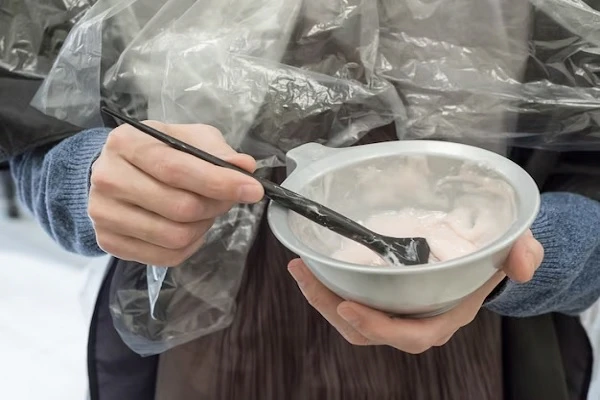
Touch up your roots regularly to keep your colour looking fresh and even. This helps avoid a patchy appearance and maintains a consistent hair tone, especially as transplanted hair begins to grow. Be sure to use gentle, ammonia-free dyes that are safe for sensitive skin and newly grown follicles. If you are considering hair restoration, best hair transplant Turkey offers top-quality hair transplant options to maintain your hair’s natural beauty and health.
Conclusion
Dyeing hair after transplant is a topic that requires careful consideration, especially when planning your post-operative hair care routine. While it is entirely possible to colour your hair after a transplant, timing is everything. The scalp must be given ample time to heal, and the newly transplanted follicles must be allowed to settle before exposing them to potentially harsh chemicals found in hair dyes.
Being patient is crucial. Most surgeons recommend waiting at least six months after surgery before dyeing the hair. This precaution ensures the scalp has recovered and the risk of irritation or damage to the follicles is minimised. Opting for semi-permanent or ammonia-free dyes is also advisable, as these are gentler on sensitive or newly treated areas.
Another key consideration is where and how you dye your hair. Although at-home kits may seem convenient, visiting a professional salon is the safest approach. Experienced stylists can select products best suited to your hair type and provide application techniques that reduce the likelihood of harming your new hair growth. Consultation with your transplant surgeon is essential before making any decisions.
If you’re considering a hair transplant and want to learn more about topics like dyeing hair after transplant, we encourage you to visit capilclinic.uk. Our team of experienced professionals is here to guide you every step of the way, ensuring optimal results and personalised aftercare tailored to your needs.
At Capilclinic, we’re trusted by thousands of patients in the UK and Europe as a leading Hair Transplant Clinic in Turkey and Spain, known for our expert doctors, advanced facilities, natural hairline results, and affordable all-inclusive packages. Reach out to our team today to start your transformation.