



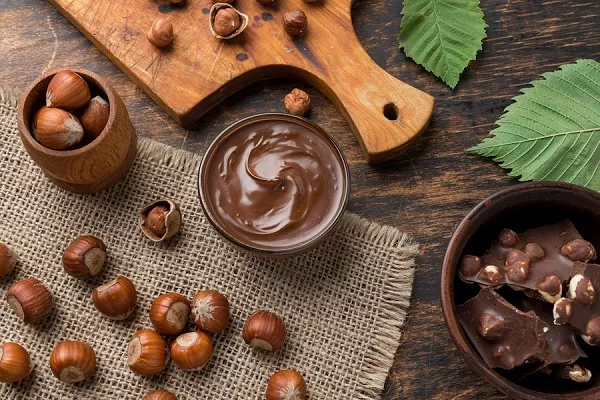
Nutella is a delightful blend of ground almonds and cocoa. It is among the world’s best-known commercial goods. This creamy spread was the more complex forerunner. In the 19th century, chocolatiers in Turin, Italy, developed it using many of the region’s plentiful hazelnuts. In the 1940s, pastry chef and Ferrero Company founder Pietro Ferrero developed it again. Europeans have consumed Nutella for almost three generations.
World shortages in the 1940s made cocoa scarce, and people considered chocolate a delicacy. Pietro Ferrero created pasta gianduja, an affordable chocolate spread that combines cocoa with roasted vegetable oils, hazelnuts, and cocoa butter. Nutella became an instant hit, selling 660 pounds by February 1946. Ferrero worked with local farmers to improve and expand hazelnut farming to meet the growing demand.
What are the ingredients of Nutella?
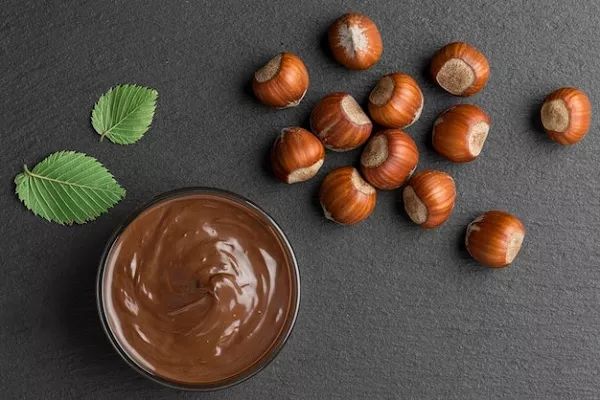
Many beauty enthusiasts want to use Nutella as a hair dye or treatment and show it online. However, before reaching for the chocolate hazelnut spread, it’s essential to understand its key ingredients and how they may affect hair health and appearance. Nutella is primarily composed of the following ingredients:
Sugar
Nutella contains a significant amount of sugar, which can impact health. Although sugar itself doesn’t directly harm hair, a diet high in sugar can cause spikes in insulin and increase inflammation. These factors may contribute to hair loss or result in unhealthy hair conditions.
To maintain healthy hair, it’s essential to be mindful of sugar intake. Instead of relying on sugary products like Nutella, focus on a balanced diet that promotes overall well-being and nourishes your hair.
Palm oil
Palm oil is crucial in giving Nutella its creamy texture. However, using it excessively can make hair feel heavy and greasy. Therefore, choosing oils for hair care requires careful consideration. Some oils nourish hair effectively, but palm oil might not provide the same benefits as lighter oils like argan or jojoba, which hydrate hair without weighing it down.
Opt for lighter oils that can deliver moisture without adding excess weight for optimal hair care. While palm oil contributes to other products, alternatives that promote healthier, more manageable locks are worth exploring.
Hazelnuts
Hazelnuts contain a wealth of vitamins and minerals, particularly vitamin E. That is renowned for its antioxidant properties. This vitamin actively supports a healthy scalp and boosts hair growth by improving blood circulation.
The healthy fats in hazelnuts effectively nourish hair strands. They enhance shine and reduce breakage, making hazelnuts a beneficial addition to any hair care regimen.
Skim milk powder
Dairy products supply protein, an essential component for hair growth. Hair consists mainly of keratin protein. People who enjoy dairy may find it offers beneficial nutrients supporting their hair health and well-being.
On the other hand, some people experience sensitivity to dairy, which can negatively affect their health and, in turn, their hair. For those who can tolerate dairy without issues, consuming these products may significantly enhance their hair growth and health.
Cocoa solids
Cocoa contains a wealth of antioxidants that actively enhance blood circulation to the scalp. This improved blood flow is crucial in promoting healthy hair growth, making cocoa a valuable ingredient in hair care.
Furthermore, cocoa features protective properties that guard hair against damage from free radicals. By defending against these harmful agents, cocoa helps maintain the hair’s overall health, contributing to its long-term vitality.
Emulsifiers
Emulsifiers are crucial in maintaining Nutella’s smooth consistency. While they may not directly enhance hair health, incorporating products with effective emulsifiers can significantly benefit hair care formulations.
These agents facilitate practical application by seamlessly blending oils and other nourishing ingredients. This combination allows for a more uniform distribution of nutrients, ultimately supporting healthier hair.
Vanillin
Vanilla-derived flavour compounds primarily enhance taste; however, essential oils extracted from vanilla offer soothing properties. These oils are vital in hair products, as they contribute to a refreshed feeling and promote general well-being.
In hair care, fragrances infused with vanilla uplift the senses and create an invigorating experience. By utilizing these essential oils, hair products can help individuals enjoy a sense of calmness and freshness in their daily routine.
Is Nutella good for hair?
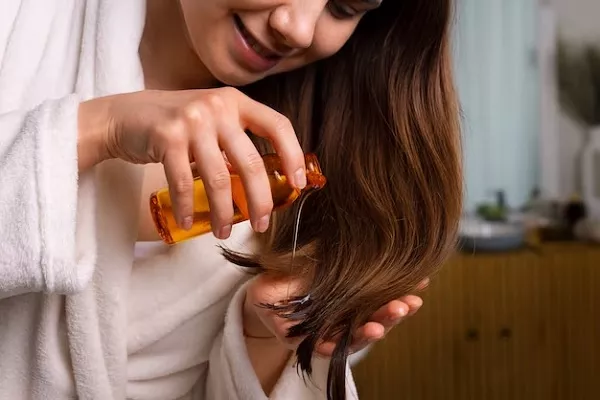
The answer will depend on the person. Many people may be hypersensitive to Nutella, as it contains components to which they are often allergic. In this case, using Nutella for hair should not be an option, as it could cause some of the negative effects we explain below.
Allergic reactions
The elevated concentration of hazelnuts in Nutella poses a significant risk for individuals with nut allergies. Exposure to this product may elicit various allergic reactions, including scalp irritation characterized by itchiness and redness. In more severe cases, this could lead to pronounced swelling and discomfort, necessitating the immediate cessation of use and potential medical intervention.
Discolouration and staining
The cocoa powder integrated into Nutella has the potential to stain or discolour hair, especially for those with lighter shades, such as blonde or grey hair. When applied to the scalp or hair, the deep pigments can result in uneven colouring or unsightly marks that may be challenging to remove. This risk is particularly pronounced if the powder is left on the hair for extended periods, as it may result in lasting discolouration that detracts from the hair’s natural beauty.
Greasiness and buildup
With Nutella’s substantial oil and sugar content, using it on hair can lead to a heavy, greasy feel that is difficult to wash out. This greasiness can cause the hair to become limp and lifeless, making it susceptible to product buildup. Such buildup can dull the hair’s appearance, create tangles, and complicate styling efforts. Over time, residue accumulation may even necessitate clarifying treatments to restore the hair’s health and vitality.
Lack of nourishment
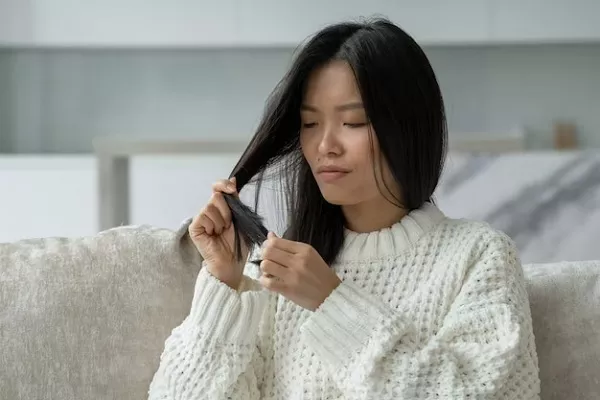
While Nutella contains some beneficial nutrients, such as vitamin E and healthy fats that can impart moisture, it falls short of providing hair’s targeted nourishment. Professional hair care products typically include essential ingredients like proteins, amino acids, and specific vitamins and minerals designed to promote hair strength and resilience. Consequently, while Nutella may offer some surface-level benefits, it lacks a comprehensive nutritional profile that supports long-term hair health and growth.
Tips for using Nutella as a hair colouring
If you still wish to experiment with Nutella as a hair treatment, consider these tips:
- Before you apply Nutella to your entire head, it is essential to conduct a patch test. Take a small amount of Nutella and apply it to a discreet area of your hair and scalp. This step allows you to assess how your hair and scalp react to the product, ensuring a safer experience.
- When applying Nutella, begin with small, targeted sections instead of slathering it all over your head. This will allow you to control the application better and minimize the risk of uneven or unexpected results, leading to a more satisfactory outcome.
- As you let the Nutella settle in your hair,it’s crucial to keep a close eye on the timer. Leaving it on for too long could result in excessive staining or discolouration. Therefore, check the time regularly to avoid any adverse effects.
- Once you have finished the desired treatment time, make sure to rinse the Nutella out completely. Thorough rinsing helps you avoid any lingering greasiness or product buildup, leaving your hair feeling fresh and clean.
How to dye your hair with Nutella: Step-by-step
While Nutella may temporarily stain or discolour the hair, it is important to understand that it is not formulated as a hair dye or highlighting product. The results can be unpredictable and may vary depending on your natural hair colour and texture.
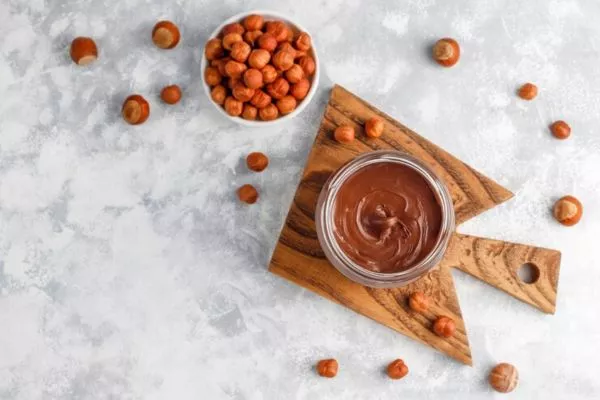
- Perform a patch test: First, and as we have already said, always start by conducting a patch test.Apply a small amount of Nutella to a discreet area of your hair and scalp, such as behind your ear, to monitor for any adverse reactions. This step is crucial as it helps identify potential irritation or allergic responses before you proceed with the full application.
- Section your hair: Next, divide your hair into manageable sections. This organizational step is essential as it ensures even coverage and gives you better control during the dyeing process. Consider using hair clips to secure each section for easier handling.
- Apply the Nutella: Now, take a tinting brush or your fingers and apply a generous amount of Nutella to each section of hair. Focus specifically on the lengths and ends, as these areas typically absorb the colour better. Be intentional in your application, making sure each strand is sufficiently coated.
- Cover and wait: Once you have coated all your hair, cover it with a shower cap or wrap it in a towel. This helps to trap heat and allows the Nutella to penetrate deeper into your hair. Subsequently, allow the mixture to sit for 30 minutes to an hour. You can monitor the time based on the intensity of colour you desire, checking your progress occasionally.
- Rinse and shampoo: After the waiting period, carefully rinse the Nutella out of your hair using lukewarm water. This temperature is ideal as it helps prevent excessive staining. Following the rinse, thoroughly shampoo your hair, ensuring no Nutella residue remains in your strands.
- Condition and style: Finally, after rinsing and shampooing, apply a nourishing conditioner to restore moisture and manageability. Conditioning is critical since the Nutella may leave your hair feeling heavy or greasy. Once you’ve conditioned, style your hair as desired, keeping in mind the unique texture from the treatment. By following these steps, you can achieve the best results while taking care of your hair’s health.
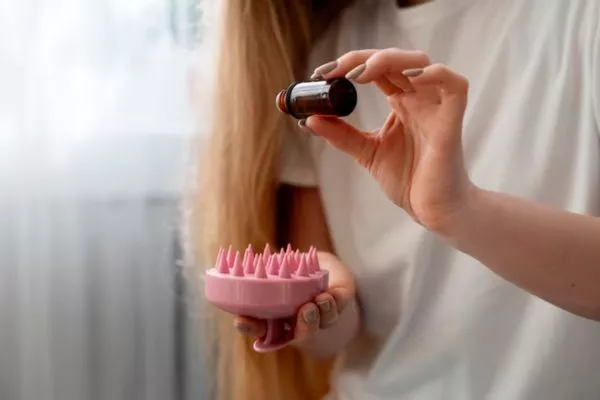
RECOMENDATION: Always do the patch test. You might not know that you are allergic to nuts.
Faq’s
Can the sugar and oils in Nutella damage my hair?
Yes, Nutella’s high sugar and oil content can lead to greasiness, product buildup, and potential irritation, which can negatively impact the health and appearance of hair over time.
Will the cocoa in Nutella stain my hair?
The cocoa powder in Nutella may cause discolouration or staining, especially on lighter hair colours. The results can be unpredictable and uneven.
Are there any benefits to using Nutella as a hair treatment?
While Nutella contains some beneficial nutrients, such as vitamin E and healthy fats, it lacks the targeted hair-nourishing ingredients in professional hair care products. The risks generally outweigh any potential benefits.
Conclusion
While Nutella may seem like a fun and unconventional hair treatment option, its drawbacks outweigh its benefits. Its high sugar and oil content can cause greasiness, buildup, and irritation, while the cocoa may unpredictably stain or discolour hair, notably lighter shades. Nutella contains some nutrients like vitamin E and healthy fats, but it lacks the essential ingredients in professional hair care products that support long-term hair health and growth. If you wish to experiment with Nutella, proceed with caution. Always conduct a patch test and apply it sparingly to avoid adverse effects. However, for optimal hair care and predictable results, relying on products specifically formulated for hair health is best.
At Capilclinic, we’re trusted by thousands of patients in the UK and Europe as a leading Hair Transplant Clinic in Turkey and Spain, known for our expert doctors, advanced facilities, natural hairline results, and affordable all-inclusive packages. Reach out to our team today to start your transformation.