



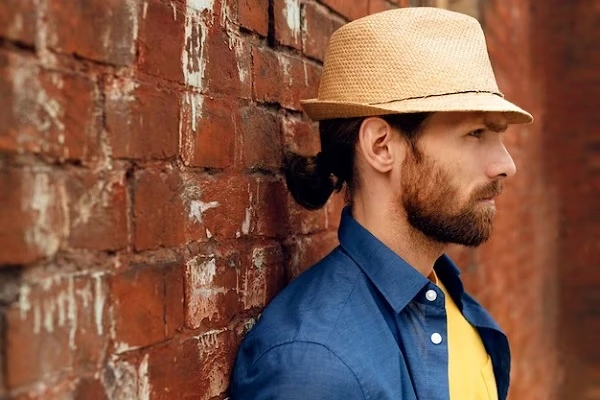
The human fascination with hats spans centuries, serving purposes ranging from fashion statements to protection against the elements. While hats have undeniably become iconic accessories, a persistent question has lingered in the minds of many: Does wearing hats cause alopecia? This question, often shrouded in myths and misconceptions, has ignited debates and concerns within the realm of hair health and fashion.
Hats have always been a versatile accessory, capable of enhancing our fashion sense while serving various practical functions. Initially appearing innocuous, frequent hat-wearing could potentially pose a risk to the health of your precious hair.
Maybe you are interested: Tips To Add Volume to Fine Hair
Is There a Link Between Hats and Thinning Hair?
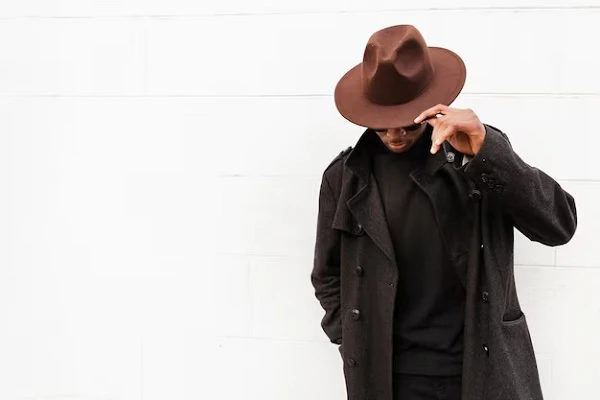
The act of donning a hat, in itself, doesn’t directly trigger hair loss. Nevertheless, if you consistently wear hats that are excessively snug, creating friction or tugging on your hair, it can eventually lead to hair damage, breakage, or even hair loss. This condition is scientifically recognized as traction alopecia.
Furthermore, when you sport a hat for extended periods without allowing your scalp to breathe, sweat and oil buildup becomes a concern. This buildup can obstruct hair follicles and impede blood circulation, consequently hindering the growth of new hair.
Selecting hats that fit comfortably, without undue tightness, is paramount. Additionally, it’s essential to take breaks from extended hat-wearing to permit your scalp to receive much-needed ventilation.
So, can wearing hats cause alopecia? The short answer is no. However, there are a few things to keep in mind when wearing hats to avoid other hair problems, such as traction alopecia and dandruff.
Traction alopecia is a type of hair loss caused by repeated hair follicles being subjected to pulling or strain. That may happen from wearing tight hats, helmets, or other headgear, as well as from certain hairstyles, such as tight braids or ponytails.
The most typical scalp ailment is dandruff which can cause itching and flaking. It can result from a number of factors, including fungal infections, dry skin, and product buildup. Wearing a dirty hat can also contribute to dandruff.
To avoid traction alopecia and dandruff, it is important to choose hats that are well-fitting and made from breathable materials. It is also important to keep your hats clean and to avoid wearing them for extended periods of time.
Effects of Hat Wearing
Hats, those beloved fashion accessories and practical shields from the elements, have a concealed realm of side effects that merit a more in-depth exploration. While they may appear benign, especially when donned casually, hats can exert various effects on your hair and overall health, particularly when worn excessively or improperly.
Traction Alopecia
Among the foremost concerns is the risk of traction alopecia, a condition that arises when hats, especially those that fit too snugly, exert undue pressure on the hair and scalp. This continuous tugging and friction can cause hair damage, breakage, and, in severe cases, even permanent hair loss. The persistence of traction alopecia underscores the importance of choosing hats that offer comfort without excessive compression.
Sweat and Oil Accumulation
Extended periods of hat-wearing without intervals for your scalp to breathe can result in the accumulation of sweat and oils. This buildup can clog hair follicles, creating an unfavorable environment for healthy hair growth. Additionally, it may lead to an unpleasant odor and discomfort, making regular cleaning and hat rotation essential practices.
Impaired Blood Circulation
Wearing tightly-fitted hats over extended durations can hamper blood circulation to your scalp. Inadequate blood flow deprives hair follicles of vital nutrients, potentially leading to weakened hair and progressive hair thinning. While this effect is generally reversible, it underscores the need for moderation and comfort in your choice of headwear.
Skin Discomfort and Acne
Hats can inadvertently trap sweat and bacteria against your skin, which may result in skin irritation and acne breakouts, particularly in warm and humid conditions. This side effect, while not medically alarming, can be bothersome. Maintaining scalp hygiene and opting for breathable hats can mitigate this concern.
The Quandary of Hat Hair
Although not a health issue, hat hair remains a common annoyance associated with hat-wearing. The pressure and friction from hats can flatten and misshapen your hair, presenting styling challenges. Quick solutions may include carrying hair products to restore your hair’s original form upon hat removal.
Allergic Reactions and Skin Sensitivities
Certain hat materials or components may contain allergenic substances that can induce allergic reactions or skin sensitivities. Individuals with sensitive skin should be particularly vigilant about the materials used in their hats to avert potential discomfort.
Hair Product Dependency
Frequent hat-wearers may find themselves increasingly reliant on hair products to combat the aesthetic consequences of hat usage, such as flattened or frizzy hair. Over time, this overdependence on products can be taxing on your hair’s health and may necessitate extra care.
Understanding Traction Alopecia
Traction alopecia is a specific type of hair loss that develops when hair is constantly subjected to repetitive pulling or prolonged tension. This condition can be quite distressing for individuals experiencing it, as it often results from seemingly innocuous hairstyling choices.
Causes of Traction Alopecia
Traction alopecia can arise from a variety of factors, including the regular use of hats, tightly pulled ponytails, braids, cornrows, or the application of hair extensions. These styling choices exert significant stress on both the hair and scalp, potentially leading to the gradual deterioration of hair follicles and an abrupt onset of hair loss.
Tight Hairstyles: Tight hairstyles, when maintained over time, can cause considerable harm to your hair and scalp. The continuous strain they place on these areas can ultimately lead to weakened hair follicles, rendering them less capable of sustaining healthy hair growth. This can manifest as thinning hair, receding hairlines, or even bald patches in the affected areas.
Genetic Predisposition: Hair loss is significantly influenced by genetics. Androgenetic alopecia, also called male pattern hair loss or female pattern hair loss, often has a genetic basis.
Male pattern baldness typically unfolds gradually. What commences as a receding hairline can rapidly progress to widespread baldness across the entire scalp. This condition is so widespread that virtually all men will grapple with it at some point in their lives.
Hormonal Fluctuations: Hair loss can also be linked to hormonal fluctuations. These fluctuations can occur during pregnancy, menopause, or due to thyroid disorders.
Underlying Medical Conditions: Certain medical conditions can trigger hair loss. Among these are autoimmune disorders, scalp infections, and various skin conditions. These conditions can negatively impact hair health.
Medication Effects: Specific medications, notably chemotherapy drugs, can induce temporary hair loss as a side effect.
Nutritional Deficiencies: The absence of essential vitamins and minerals, including iron, vitamin D, and biotin, can contribute to hair loss. A well-balanced diet is crucial for maintaining healthy locks.
Stress and Its Effects: Emotional or physical stress can lead to hair loss, often manifesting as telogen effluvium. Fortunately, this condition is typically temporary and does not harm the hair follicles themselves. Many individuals experience natural hair regrowth without requiring any specific treatments.
Impact of Hairstyles: Similar to a tight-fitting hat, hairstyles that exert excessive tension on the hair, such as tightly braided hair or high ponytails, can lead to hair loss over time.
Treatment Options
Addressing traction alopecia necessitates a multifaceted approach that considers both prevention and intervention strategies. Here are eight detailed approaches to manage and potentially reverse this condition:
Medication for Hair Regrowth
Minoxidil, originally developed as a treatment for high blood pressure, has been found to possess hair regrowth properties. When applied topically, it may help individuals regrow hair lost due to traction alopecia. Consult a healthcare professional to determine the appropriate usage and dosage.
Avoid Tight Hairstyles
The primary step in managing traction alopecia involves avoiding hairstyles that exert excessive tension on your hair and scalp. Abandon tight ponytails, braids, and heavy hair extensions in favor of looser, more hair-friendly alternatives. This proactive step can prevent the risk of permanent hair loss.
Scalp Massage for Improved Circulation
Gently massaging your scalp with your fingertips in circular motions can be a simple yet effective way to enhance blood circulation in the scalp. Improved circulation can promote the nourishment of hair follicles and stimulate hair growth. Consider incorporating this into your daily routine.
Application of Essential Oils
Harness the benefits of essential oils such as lavender, rosemary, and peppermint, which have demonstrated their potential to improve hair growth. Create a concoction by mixing a few drops of these oils with a carrier oil like coconut or jojoba, and then massage it gently into your scalp. This soothing practice can encourage healthier hair follicles.
Utilize Hair Growth Products
Explore the wide range of hair growth products available in the market. Look for those containing essential ingredients like biotin, keratin, and amino acids. These substances can nourish your hair and stimulate growth. Ensure you follow the recommended usage instructions and consult a professional if necessary.
Consider Dietary Supplements
Certain dietary supplements like biotin, iron, and vitamin D have shown potential in promoting hair health and growth. However, it is essential to consult a healthcare provider before adding these supplements to your daily regimen, as they can interact with other medications and require proper dosage.
Give Your Hair a Rest
Constantly wearing tight hairstyles can exacerbate traction alopecia. To alleviate stress on your hair and scalp, consider alternating with loose hairstyles for allowing your hair to rest for a certain period. This respite can significantly aid in the recovery process.
Consult a Dermatologist
In cases of severe or persistent traction alopecia, seeking professional medical guidance from a dermatologist is highly recommended. Dermatologists can provide a thorough evaluation and tailor treatment options to your specific needs. These may include steroid injections to stimulate hair regrowth or, in severe cases, reconstructive surgery to restore lost hair effectively. A personalized approach ensures the most effective path to regaining your lost hair and self-confidence.