



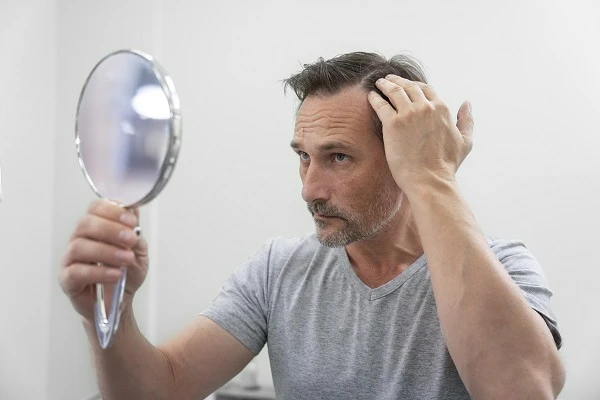
You can’t deny that someone has never caught your attention because of the stark appeal of their hair. Our hair is a significant beauty standard, and when we discover the perfect hairstyle, we become a hundred times more attractive. As such, it’s understandable when people suffering from hair loss start noticing signs of a mental health condition, such as anxiety and depression. Many people need their hair to boost their confidence levels, making them open to hair transplants in the donor area.
A hair transplant, also called hair restoration or replacement, entails transplanting hair from an area of the body where hair growth is healthy and flush. Hair loss is more common than you think. 650,000 people opt for hair transplants every year. In this blog post, we’ll explore more about donor area, hair transplants, and the types and conditions this surgical procedure treats.
What is a Hair Transplant?
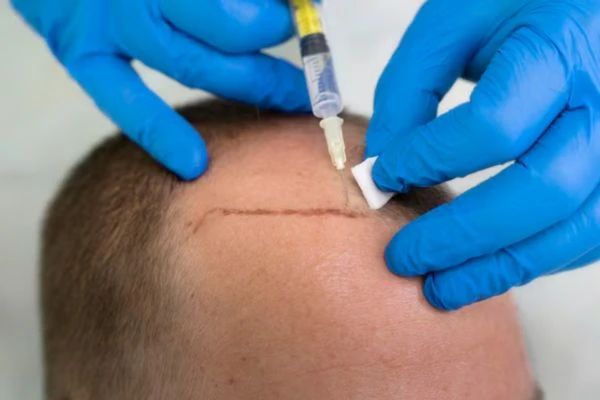
Hair transplant is a surgical technique that involves moving hair follicles from one part of the body (donor site) to a bald or balding part of the body (recipient site). It is primarily used to treat male pattern baldness. The hair follicles are usually taken from the back or sides of the head and transplanted to the balding areas. This procedure can also be used to restore eyelashes, eyebrows, beard hair, chest hair, and pubic hair.
During your clinical consultation with your hair transplant surgeon, they’ll present you with two methods – the follicular unit extraction or the follicular unit transfer. For a follicular unit extraction, the doctor will remove each hair follicle and prepare them for transplantation.
This method doesn’t result in scars, so people prefer it. It also results in a more natural and denser head of hair. On the other hand, the follicular unit transfer is a cost-friendlier option. Here, the surgeon will cut small strips of skin from the back of the scalp. These strips will be slim enough that the lines will be barely noticeable even when they scar. Then, the grafted tissue will be transplanted into the recipient area using incisions.
What is the Donor Area?
The donor area refers to the specific location on the body from which the surgeon harvests hair for transplantation. It is an essential aspect of hair transplant procedures. The size of the recipient area where the hair will be transplanted can vary depending on the hair transplant method chosen.
In the follicular unit extraction (FUE) procedure, the surgeon individually extracts hair follicles rather than utilizing strips or tissues. These follicles can be harvested from any body part where hair grows, offering versatility in the transplantation process. On the other hand, in follicular unit transplantation, the donor area is typically located at the back of the scalp, as this area often provides a dense and consistent source of hair follicles for transplantation.
Where is the Recipient Area?
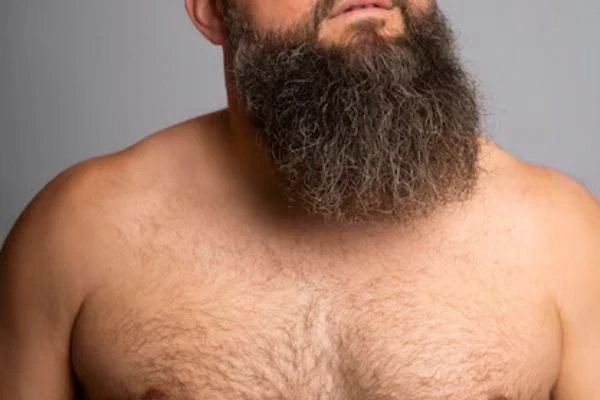
The recipient area refers to the specific part of the body where the transplanted hairs are received. This area is of significant importance during a hair transplant procedure, as it is where the new hair follicles will be implanted and expected to grow. The recipient area can vary in location, encompassing regions such as the eyebrows, eyelashes, chest, armpits, and other areas of the body that normally experience hair growth. In some cases, the recipient area may be limited to the scalp only.
The extent and diversity of options for the recipient area depend on the specific hair transplantation method being utilized and the desired outcome. For example, individuals seeking eyebrow or eyelash restoration will have different requirements compared to those seeking hairline restoration on the scalp. Additionally, advanced techniques and technologies allow for more precise and personalized options for the recipient area, tailored to the unique needs and preferences of each individual.
Does the Donor Area Grow Back After a Hair Transplant?
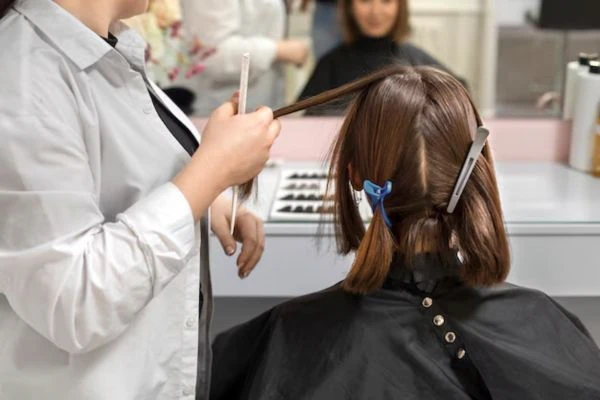
When you’re painting a mental picture of what the effects of a hair transplant will look like, your mind will undoubtedly cross the donor area. What happens to it after the procedure? Does the donor area grow back after a hair transplant?
The answer varies – yours may, and it may not. However, your doctor knows the possibility of the hair not growing back. So, they’ll harvest the hair follicles in a way that will be barely noticeable. If the surgeon uses the follicular unit transplant method, they’ll extract the slightest skin strips. If the hair doesn’t grow back, the density around the area will make this unnoticeable. On the other hand, the hair might. If that happens, it’ll grow past your scar or cover it.
Conditions that Hair Transplants Treat after operating on the donor area
Hair loss can be permanent or temporary, and many conditions can elicit it. The beauty industry constantly ensures the availability of many products to control minor hair loss. Medications also exist for this purpose, so you have many options for alleviating it and improving your hair growth.
The solution you opt for depends on the cause and degree of your hair loss. However, you can transplant hair from your scalp or other body parts to the recipient area. So, if you want more density in your beard, on your chest, legs, thighs, or even eyebrows, you can consider getting a hair transplant.
The more conditions that may warrant the need for a hair transplant include:
Burns
People who have suffered from burns and other traumatic injuries can also consider a hair transplant. As long as they have a healthy hair supply in other parts of their bodies, this method will provide excellent outcomes. Hair transplantation can be a viable option for individuals who have experienced burns or other traumatic injuries, as long as there is sufficient healthy hair available from other areas of the body. This treatment has shown promising results in improving the appearance and confidence of individuals who have undergone traumatic experiences.
Hormonal imbalance after donor area transplant
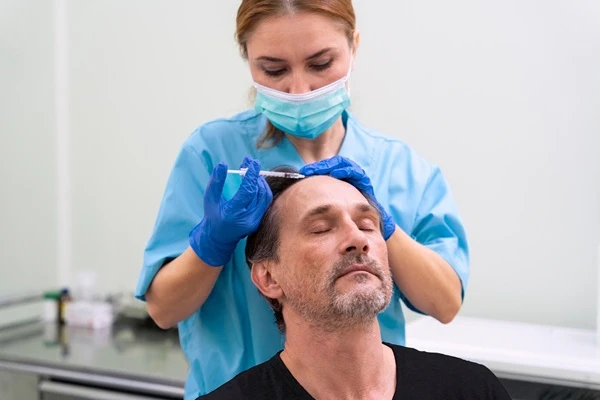
It’s important to remember that thyroid issues or hormonal imbalances can also cause your hair to fall out or lose a significant portion of its density. In addition to exploring hair transplants, it’s essential to consult with a healthcare professional to address any underlying medical conditions contributing to hair loss. Seeking medical advice can help identify the root cause and determine the most appropriate and effective course of action for maintaining hair health.
Traction alopecia
Traction alopecia is a hair loss condition that can affect anyone, regardless of age or gender. It occurs when you apply too much pressure on the fragile hairs at your edges, causing them to pull out as time passes. The constant tension on the hair shafts stresses the hair follicles and weakens them, ultimately leading to hair loss. Over time, if this stress and pulling on the hair continue, it can result in a considerable loss of hair in the affected area.
If you notice signs of traction alopecia, it’s important to address the issue promptly to prevent further hair loss. One potential solution is a hair transplant procedure. During a hair transplant session, a dermatologic surgeon can harvest healthy hair follicles from the back of the scalp, where hair is more resistant to the effects of traction, and carefully plant them at the balding or thinning site. This can help restore a more natural hairline and improve the overall appearance of the affected area.
Androgenic alopecia
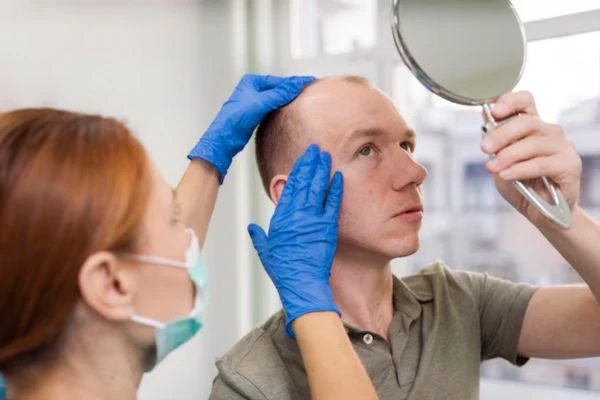
Androgenic alopecia, more commonly known as male pattern baldness, is a genetic condition that leads to progressive hair loss in men. It is the most common cause of hair loss, affecting up to 50% of men over the age of 50. However, it can also affect men in their 20s and 30s. The condition is characterized by a receding hairline and thinning of the hair on the crown and temples, eventually leading to partial or complete baldness.
The mechanisms behind androgenic alopecia involve the hormone dihydrotestosterone (DHT), a byproduct of testosterone. DHT has been found to shrink hair follicles, leading to shorter and finer hair until hair growth ceases altogether. For many men, experiencing hair loss can have a significant impact on their self-esteem and self-image. It can lead to feelings of insecurity and reduced confidence, affecting both personal and professional aspects of their lives. As a result, many men consider hair restoration options to address the effects of male pattern baldness.
One popular option for addressing male pattern baldness is hair transplantation. There are two primary methods of hair transplantation: follicular unit transplantation (FUT) and follicular unit extraction (FUE). As we said, FUT involves removing a strip of skin from the back of the scalp and harvesting hair grafts from this strip. On the other hand, FUE involves individually extracting hair follicles from the back and sides of the scalp. Both methods offer the promise of natural-looking results and can be effective in restoring a fuller head of hair.
Bottom line
Dealing with hair loss can be a difficult and emotional experience. However, there are effective solutions that can help restore not only the density of your hair but also your confidence. One such solution is a hair transplant procedure. During a hair transplant, healthy hair follicles are transplanted to the areas where hair loss has occurred, resulting in natural-looking and long-lasting results.
It’s important to understand that the transplanted hairs may take several months to grow fully. This is because the transplanted follicles go through a normal hair growth cycle, so patience is key. However, the positive results of a successful hair transplant are certainly worth the wait, as many individuals experience a significant improvement in hair density and overall appearance.