



Snoring is a common condition that affects millions of people worldwide, causing disruption to their sleep and their overall health. It happens when airflow is partially obstructed during sleep, leading to vibrations in the tissues of the throat. While many people view snoring as nothing more than a minor annoyance, its potential impact on physical well-being is gaining more attention. Research has shown that chronic snoring can lead to a range of health problems, from sleep apnea to cardiovascular issues, but does snoring cause alopecia? It is important to recognize that snoring could have more far-reaching consequences than previously thought, and the effects may be more significant than just disrupting a good night’s rest.
One of the questions that has emerged in recent discussions is whether snoring can cause alopecia, a condition where hair loss occurs. Snoring cause alopecia is a growing concern among people who suffer from chronic snoring. The connection between the two conditions is not fully understood, but some studies suggest that the sleep disturbances caused by snoring may negatively affect hair health.
Can snoring cause alopecia?
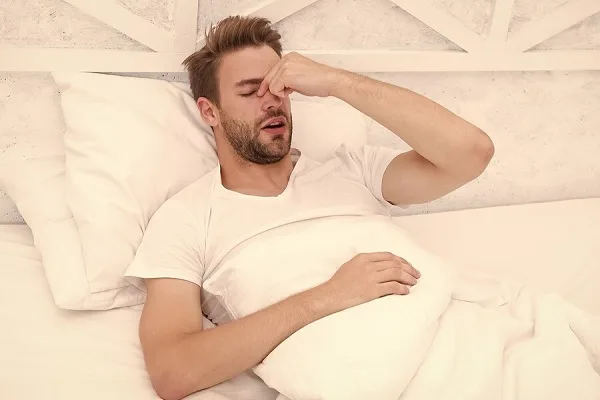
Before answering our principal question, we have to talk about snoring. It results from a partial blockage of the airway during sleep. This blockage can be caused by various factors, such as:
- Relaxation of throat muscles: During sleep,the muscles in the throat relax, narrowing the airway.
- Nasal congestion: Allergies, colds, or sinus issuescan block nasal passages.
- Obesity: Excess weight, particularly around the neck, can increase the likelihood of airway obstructio
- Alcohol consumption:Alcohol relaxes throat muscles, making snoring more likely.
- Sleep position: Sleeping on the back can cause thetongue to fall backward, partially blocking the airway.
Snoring is sometimes linked to more serious conditions, such as obstructive sleep apnea (OSA). In OSA, the airway becomes repeatedly blocked during sleep, leading to intermittent pauses in breathing. This condition can have significant effects on overall health, including cardiovascular issues, fatigue, and poor oxygen circulation.
Currently, no direct evidence suggests that snoring alone causes alopecia. However, the indirect effects of snoring, such as poor oxygenation, inflammation, stress, and lifestyle factors, can contribute to hair loss. Individuals who snore and experience unexplained hair loss should consider these underlying factors and consult a healthcare professional for evaluation.
What is Alopecia?
Alopecia refers to hair loss, which can occur for various reasons. While some types of alopecia are temporary, others may be permanent. The most common types include:
- Androgenetic alopecia: Known as male or female pattern baldness, this type is caused by genetic and hormonal factors.
- Alopecia areata: This autoimmune condition results in patchy hair loss.
- Telogen effluvium: Stress, illness, or hormonal changes canpush hair follicles into the resting phase, leading to temporary hair loss.
- Traction alopecia: This occurs due to excessive pulling or tension on the hair, often caused by tight hairstyles.
- Cicatricial alopecia: Also known as scarring alopecia, this rare conditiondestroys hair follicles and leads to permanent hair loss.
The connection between snoring and alopecia is not straightforward. However, indirect factors linked to snoring, such as oxygen deprivation, inflammation, and stress, could potentially contribute to hair loss.
How to prevent that snoring cause alopecia?
If you suspect that snoring is indirectly contributing to hair loss, taking proactive steps can help mitigate the effects. Here are some strategies:
- Treat the underlying cause of snoring
- Use anti-snoring devices, such as nasal strips or mouthguards.
- Sleep on your side to prevent airway obstruction.
- Address allergies or nasal congestion with medications or humidifiers.
- Seek treatment for sleep apnea, such as continuous positive airway pressure (CPAP) therapy.
- Improve blood circulation
- Exercise regularly to enhance cardiovascular health.
- Massage your scalp to stimulate blood flow and promote hair growth.
- Use hair care products containing ingredients like minoxidil to support follicle health.
- Reduce inflammation
- Eat an anti-inflammatory diet rich in fruits, vegetables, and omega-3 fatty acids.
- Avoid smoking and limit alcohol consumption.
- Manage stress through mindfulness, yoga, or therapy.
- Maintain a healthy lifestyle
- Maintain a balanced diet with adequate protein, vitamins, and minerals.
- Stay hydrated to support scalp health.
- Avoid harsh hair treatments that can weaken strands.
How does oxygen act in hair growth?
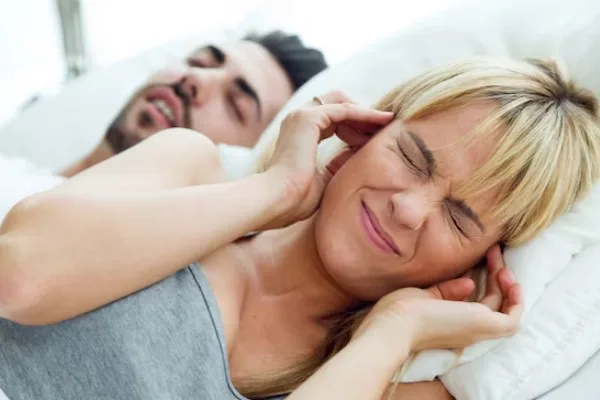
Hair follicles rely on a steady supply of oxygen to thrive. Oxygen is delivered to the scalp through blood circulation. When snoring is accompanied by conditions like OSA, the oxygen levels in the blood may decrease. This reduction, known as hypoxia, can have the following effects on hair health:
- Weakened hair follicles: Hair follicles deprived of oxygen may become weaker and less capable of supporting healthy hair growth.
- Inhibited growth phase: The anagen phase, or growth phase, of the hair cycle requires adequate oxygen. Hypoxia may shorten this phase, leading to premature shedding.
- Scalp inflammation: Lack of oxygen can trigger inflammation in scalp tissues, further compromising follicle health.
What effects have inflammation on the scalp?
Inflammation is another factor that links snoring to potential hair loss. Chronic snoring or sleep apnea can lead to systemic inflammation. When the body experiences frequent disruptions in breathing, it triggers an inflammatory response. Over time, this chronic inflammation can affect various parts of the body, including the scalp. Here’s how inflammation impacts hair:
- Follicle damage: Inflammation around hair follicles can weaken their structure, leading to hair thinning and loss.
- Reduced nutrient absorption: Inflammation in the scalp may impair the absorption of essential nutrients needed for hair growth.
- Autoimmune triggers: Chronic inflammation may increase the risk of autoimmune conditions, such as alopecia areata.
How to avoid snoring cause alopecia?
If you suspect that snoring is indirectly contributing to hair loss, taking proactive steps can help mitigate the effects. Here are some strategies:
- Treat the underlying cause of snoring:
- Use anti-snoring devices, such as nasal strips or mouthguards.
- Sleep on your side to prevent airway obstruction.
- Address allergies or nasal congestion with medications or humidifiers.
- Seek treatment for sleep apnea, such as continuous positive airway pressure (CPAP) therapy.
- Improve blood circulation:
- Exercise regularly to enhance cardiovascular health.
- Massage your scalp to stimulate blood flow and promote hair growth.
- Use hair care products containing ingredients like minoxidil to support follicle health.
- Reduce inflammation:
- Eat an anti-inflammatory diet rich in fruits, vegetables, and omega-3 fatty acids.
- Avoid smoking and limit alcohol consumption.
- Manage stress through mindfulness, yoga, or therapy.
- Maintain a healthy lifestyle:
- Maintain a balanced diet with adequate protein, vitamins, and minerals.
- Stay hydrated to support scalp health.
- Avoid harsh hair treatments that can weaken strands.
How does sleep deprivation affect hair growth cycles?

Hair growth follows a natural cycle, consisting of three main phases: anagen (growth phase), catagen (transitional phase), and telogen (resting phase). Sleep deprivation and insomnia can disrupt this cycle in several ways:
- Increased stress hormones (Cortisol):Lack of sleep raises cortisol levels, a hormone that is linked to stress. Elevated cortisol can shift hair follicles from the anagen phase (active growth) to the telogen phase (resting phase), causing hair shedding. This phenomenon, known as telogen effluvium, can lead to noticeable hair thinning or increased hair loss.
- Disruption of hair regeneration:Hair follicles regenerate and repair during deep sleep. When sleep is insufficient, the body has less time for cellular repair processes, potentially slowing down hair growth and leaving follicles in a weakened state.
- Reduced blood flow to the scalp:During sleep, especially during restorative deep sleep, blood flow to the scalp increases, providing the necessary nutrients and oxygen for hair follicles to thrive. Sleep deprivation can compromise this blood circulation, depriving hair follicles of essential nutrients and impeding healthy hair growth.
- Impact on hair follicle health:Poor sleep disrupts the production of growth factors essential for hair follicle health. A lack of sleep may result in follicles becoming less responsive to hair growth stimuli, resulting in weaker hair and reduced density over time.
Importance of REM sleep for hair health
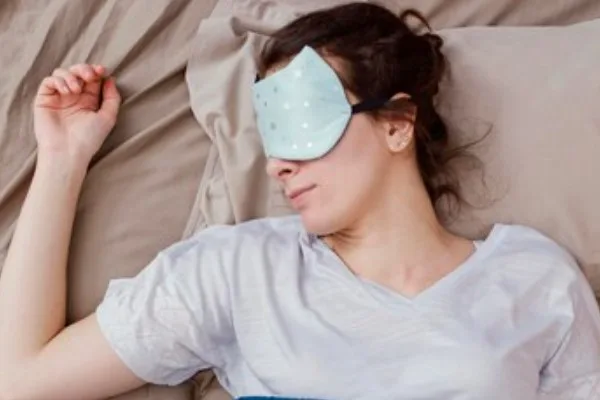
Rapid Eye Movement (REM) sleep is a critical phase of the sleep cycle that is particularly beneficial for overall health, including hair health:
- Cellular repair and regeneration:During REM sleep, the body is actively repairing tissues and cells. This regenerative phase aids in the repair of hair follicles and the rejuvenation of scalp skin, creating an optimal environment for hair growth.
- Hormonal balance:REM sleep helps regulate the production of various hormones, including growth hormones that are involved in hair regeneration. A balanced hormonal environment is crucial for maintaining a healthy hair growth cycle.
- Reduced stress response:REM sleep also plays a key role in reducing stress and promoting emotional well-being. Stress is a significant factor in hair loss, and sufficient REM sleep helps manage stress levels, thereby indirectly supporting hair health by lowering cortisol levels.
- Restorative effects on the nervous system:REM sleep promotes the restoration of the nervous system, allowing it to recover from daily stressors. A well-functioning nervous system ensures proper signaling to hair follicles, supporting the growth and maintenance of healthy hair.
Faq’s
Can poor sleep from snoring lead to hair thinning in the long term?
Yes, prolonged poor sleep from snoring can lead to long-term hair thinning. Over time, ongoing sleep disruptions can create a negative impact on the hair growth cycle, including a shift of hair follicles into the shedding phase. This can result in noticeable thinning and increased hair fall if left untreated.
How does sleep apnea, related to snoring, affect hair growth?
Sleep apnea, a condition frequently associated with snoring, can disrupt sleep cycles, especially REM sleep, which is essential for hair regeneration. Poor sleep quality and oxygen deprivation during episodes of sleep apnea can lead to increased stress and hair loss, particularly through conditions like telogen effluvium.
Can treating snoring help prevent hair loss?
Treating snoring, especially if it is related to sleep apnea, may improve sleep quality and reduce stress. Addressing snoring with solutions such as CPAP therapy, lifestyle changes, or weight management can help restore proper sleep cycles, thereby supporting healthier hair growth and reducing the risk of stress-related hair loss.
Conclusion
While there is no direct evidence that snoring cause alopecia, the indirect effects of snoring—such as poor oxygenation, inflammation, and heightened stress—can potentially contribute to hair loss. Chronic snoring, particularly when associated with conditions like sleep apnea, disrupts sleep patterns and deprives the body of restorative deep sleep, which is essential for hair health. Additionally, snoring can impede proper oxygen flow to the scalp, weakening hair follicles and interfering with the natural hair growth cycle over time. To reduce the risk of hair loss connected to snoring, it’s important to address the underlying causes. Improving sleep quality and managing stress are crucial steps in mitigating the impact of snoring on hair health.
At Capilclinic, we’re trusted by thousands of patients in the UK and Europe as a leading Hair Transplant Clinic in Turkey and Spain, known for our expert doctors, advanced facilities, natural hairline results, and affordable all-inclusive packages. Reach out to our team today to start your transformation.