




Have you ever thought if the colour of your hair could make you more likely to lose hair? A lot of people who care about the health of their hair have thought about this question. It’s important to understand this possible link because it could change how we take care of our hair and what steps we take. The purpose of this blog is to explain how hair colour and hair loss are related. We’ll talk about the science, bust some myths, and give you tips on how to keep your hair healthy, no matter what colour it is. In this article we will talk about hair color influence hair loss.
Maybe you are interested: Everyday Mental Health Issues in Men and How They Affect the Hair
Role of genetics in hair growth
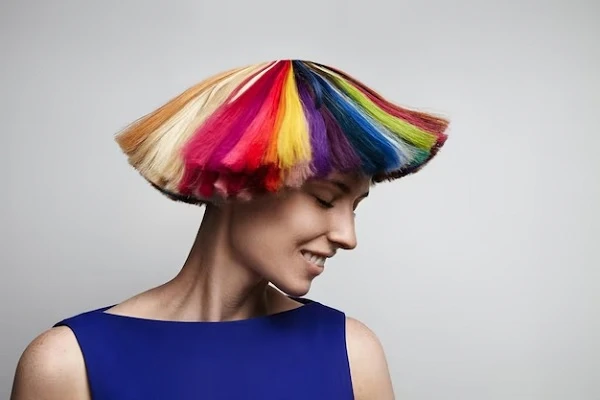
The function of genetics is of considerable importance in the determination of hair growth patterns. The inheritance of specific genes from one’s parents has a crucial role in determining several characteristics related to hair, including its texture, colour, density, as well as the probability of developing disorders such as male pattern baldness or female pattern hair loss. Genetic variables have the potential to exert an impact on the duration of the anagen phase as well as the overall rate of hair growth.
Factors that affect hair health
Hair health may be influenced by several variables, such as dietary choices, stress levels, hormone imbalances, and external elements like heat styling and exposure to potentially harmful chemicals. Enhancing hair health and strength may be achieved by the adoption of practises such as maintaining a balanced and nutritious diet, implementing effective scalp care routines, and effectively managing stress levels.
Furthermore, it is important to note that several factors such as alopecia, thyroid problems, and nutritional deficiencies can exert an influence on the overall health of one’s hair, necessitating the need for appropriate medical intervention and supervision. Hair can be adversely impacted by some lifestyle choices, such as engaging in smoking and heavy alcohol usage. In order to achieve maximum hair health, it is important to embrace a comprehensive approach to hair care that encompasses genetic predispositions as well as environmental influences.
Explanation of how hair color is determined genetically
The genetic factors have a predominant role in determining an individual’s hair colour through the interplay of many genes that affect the synthesis and dispersion of pigments inside the hair strand. Eumelanin and pheomelanin are the primary pigments accountable for determining hair colour. The production of these pigments occurs within specialised cells known as melanocytes, which are located within the hair follicles.
The role of melanin in hair color
The presence of melanin is of utmost importance in determining hair colour. Eumelanin, the pigment responsible for the manifestation of black and brown hair, is synthesised in greater quantities in correlation with heightened melanocyte activity. The production of pheomelanin, which is associated with red and blonde hair, occurs as a result of reduced melanocyte activity and an increased concentration of the pheomelanin pigment. The precise shade of hair colour is determined by the ratio of eumelanin to pheomelanin and their distribution inside the hair shaft.
Common hair colors and their genetic basis
Here are some common hair colours and the genes that cause them:
- Black: Lots of eumelanin and almost no or very little pheomelanin.
- Brown: is a mixture of eumelanin and pheomelanin.
- Blonde: hair has more pheomelanin and less eumelanin.
- Red: has mostly pheomelanin and not much eumelanin.
The amounts of these pigments in a person’s hair are determined by the genes they got from their parents. This is why people have such a wide range of natural hair colours. Also, genes like MC1R can change the type and location of melanin, which can make hair colours within these broad groups vary.
Debunking Hair Color Myths:
There are a lot of myths and misunderstandings about hair colour and how it affects hair loss. When it comes to these claims, it’s important to know what’s true and what’s not.
- Hair Colour and Hair Loss: It is a common myth that people with certain hair colours, like blondes, are more likely to lose their hair. But there is no evidence from science to back up this idea. Instead of the colour of a person’s hair, genes, chemical changes, and other health problems are the main causes of hair loss.
- Hair Colour and Hair Thickness: Another myth is that people with darker hair have stronger hair, while those with lighter hair have smaller strands. In fact, the thickness of hair depends on the number of hair cells and their individual qualities, which can be very different between people with different hair colours.
- Chemical Treatment: Some people think that colouring or dying hair on a daily basis can cause hair loss. Chemical treatments can weaken hair and make it more likely to break, but when used in moderation, they don’t usually cause lasting hair loss.
Hair Care Tips for All Hair Colors:
Everyone wants to keep their hair healthy, no matter what colour it is. Even though different colours may have different care needs, everyone should follow these general rules:
Eat a well-balanced diet:
For good hair growth, you need to eat a lot of vitamins and minerals, especially biotin, vitamin E, and omega-3 fatty acids. Add things to your meals like eggs, nuts, fish, and fresh greens.
Regular Washing:
Wash your hair and scalp regularly with a mild, sulfate-free shampoo. This will keep your skin and hair clean. Overwashing can remove natural oils, so try to wash your hair no more than twice or three times a week, or as needed.
Condition your hair:
Use a good conditioner to keep your hair soft and moist. Pay attention to the ends, which tend to be drier.
Don’t use too much heat to style your hair:
Use hot tools like flat irons and curling irons less often. If you do use them, use a spray that protects against heat and the lowest heat setting possible.
Trim your hair often:
Get a trim every 6 to 8 weeks to get rid of split ends and help your hair grow in better.
Protect against damage from UV rays and the environment:
Both UV rays and things in the environment can damage hair. When out in the sun for a long time, wear a hat or use items with UV protection.
Don’t overprocess your hair
:. If you dye or bleach your hair often, you can weaken the hair shaft. Between treatments, give your hair some time to heal.
Brush gently:
To untangle wet hair, use a wide-toothed comb or a soft brush. Don’t brush your hair too hard, especially when it’s wet and more likely to break.
Dealing with stress:
Too much stress can make hair problems worse. Try yoga, meditation, or exercise to help you deal with worry.
Color-Specific Care Considerations:
- Blonde Hair: Occasionally use purple shampoos can serve as a means to mitigate the presence of yellow or brassy hues. Individuals with blonde hair may require additional moisture in order to mitigate the occurrence of dryness.
- Red Hair: Red dyes typically lose their vibrancy more quickly than others. Use a shampoo and conditioner designed to preserve dyed hair from fading.
- Brunette/Black Hair: These hair colors can benefit from products that enhance shine and depth. Look for shampoos and conditioners formulated for dark hair.
- Gray/Silver Hair: Yellowing of silver or grey hair is often a result of exposure to sunlight or chlorine. Using a shampoo and conditioner formulated for silver hair can help you keep your cool shade.
Keep in mind that everyone’s hair care needs are different, so it’s important to adjust your routine based on the state of your hair and any colour treatments you use. No matter what colour your hair is, it needs regular care, a healthy diet, and gentle treatment to stay healthy.
Conclusion
Hair colour is not a major factor in the onset of hair loss, as has been repeatedly demonstrated in both theoretical and empirical studies. There are many factors that might affect hair health and the likelihood of hair loss, including genetic predisposition, hormonal impacts, the ageing process, and general hair care practises. Consultation with a healthcare professional or dermatologist is essential when dealing with hair loss difficulties since it provides access to trustworthy information supported by scientific evidence. It is essential to make hair care decisions based on evidence, rather than speculation.