



Alopecia areata is a common autoimmune disorder that affects millions of people worldwide. Causing hair loss in patches on the scalp and sometimes other areas of the body. While it doesn’t pose any direct health risks, its impact on self-esteem and quality of life can be substantial. Over the years, researchers have been diligently searching for an effective treatment to combat this condition. One promising therapy that has gained momentum in recent years is Diphencyprone (DPCP) immunotherapy. In this article, we’ll delve into the science behind DPCP immunotherapy. Its mechanism of action, treatment process, effectiveness, potential side effects, and ongoing research.
You may also be interested: FAS Technical Hair Prosthesis
Diphencyprone Immunotherapy for Alopecia Areata

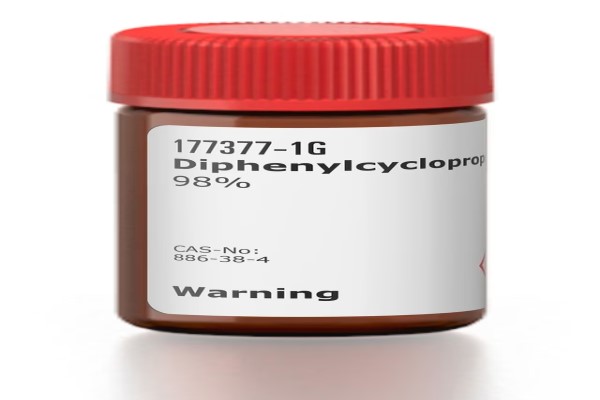
Diphencyprone, also known as diphenylcyclopropenone (DPCP), is a topical immunomodulatory agent that has shown promising results in the treatment of alopecia areata. Initially developed as a contact allergen for dermatitis testing, its potential in managing alopecia areata was discovered serendipitously. DPCP works by creating a controlled allergic reaction on the scalp. Stimulating the body’s immune system to shift its focus away from attacking the hair follicles.
Mechanism of Action
DPCP immunotherapy follows a well-defined treatment protocol. During the first session, a small patch of the scalp is exposed to a low concentration of DPCP. Over the next few weeks, the concentration is gradually increased to induce a mild allergic reaction in the treated area. This allergic response triggers the production of T cells and other immune cells that shift the immune system’s focus away from the hair follicles.
As the treatment progresses, the immune response helps to halt further hair loss and promote hair regrowth. The precise mechanism by which DPCP alters the immune response remains under study. But it is believed to involve regulatory T cells (Tregs) and the suppression of autoreactive T cells. Which are responsible for attacking the hair follicles.
Treatment Process
DPCP immunotherapy typically begins with a thorough evaluation by a dermatologist or hair loss specialist to determine the extent and severity of alopecia areata. If the patient is considered a suitable candidate for DPCP immunotherapy, a treatment plan is devised.
During each treatment session, the dermatologist or healthcare provider will apply DPCP in the form of a lotion or solution to the affected areas of the scalp. The concentration is carefully adjusted to induce a mild allergic reaction without causing severe irritation. Patients will be advised to avoid washing the treated areas for at least 24 hours to ensure proper absorption.
The treatment sessions are usually spaced several weeks apart, allowing the immune response to take effect gradually. Monitoring the patient’s progress and any adverse reactions is an essential part of the treatment process.
Effectiveness and Efficacy
Clinical studies and real-world evidence have shown that DPCP immunotherapy can be a promising treatment option for patients with alopecia areata. The success of the treatment often depends on several factors. Including the extent of hair loss, the duration of the condition, and the patient’s individual response.
In mild to moderate cases of alopecia areata, DPCP immunotherapy has demonstrated success rates of 50-75%. With some studies reporting even higher success rates. Moreover, DPCP has shown particular effectiveness in patients with patchy hair loss or localized alopecia areata, where it has a higher chance of inducing hair regrowth. For more severe cases like alopecia totalis or universalis, the success rates may be lower, but the treatment still holds promise and may offer some regrowth or stabilization of hair loss.
Ongoing Research and Future Potential
As the medical community continues to investigate the intricacies of alopecia areata and its response to DPCP immunotherapy, ongoing research is uncovering new insights and potential refinements to the treatment approach. Researchers are exploring the optimal concentration and frequency of DPCP application, as well as ways to enhance its efficacy in severe cases.
Additionally, studies are underway to evaluate the combination of DPCP with other therapeutic agents or interventions, such as phototherapy or topical minoxidil, to further improve treatment outcomes. The ultimate goal is to develop personalized treatment strategies that take into account the individual’s specific type and severity of alopecia areata.
Potential Side Effects
As with any medical treatment, DPCP immunotherapy comes with potential side effects, although they are generally mild and well-tolerated. The most common side effect is contact dermatitis, which causes localized redness, itching, and skin irritation in the treated area. This reaction is an expected part of the treatment process and is carefully monitored by healthcare professionals.
In some cases, patients may experience temporary swelling of the lymph nodes near the treated area. However, serious adverse effects are rare, and patients can typically resume their daily activities immediately following each treatment session.
Understanding Alopecia Areata
Alopecia areata is an autoimmune disorder characterized by the immune system of the body wrongly targeting hair follicles, resulting in hair loss. The exact cause of the condition remains unclear, but genetic factors and environmental triggers are believed to play a role. Stress, hormonal imbalances, and certain medical conditions may also contribute to the development of alopecia areata.
The condition can manifest in different ways, ranging from small, coin-sized patches of hair loss to more extensive and severe forms. Such as alopecia totalis (complete scalp hair loss) or alopecia universalis (total body hair loss). Alopecia areata affects individuals of all ages, genders, and ethnicities, and it can have a significant emotional and psychological impact, leading to reduced self-confidence and feelings of social isolation.
Traditional Treatment Approaches
The treatment of alopecia areata has historically been challenging, with no universally effective solution. Current treatment options include topical corticosteroids, intralesional corticosteroid injections, minoxidil, and immunosuppressive medications like cyclosporine. However, the response to these treatments varies greatly among patients, and many individuals experience only temporary hair regrowth.
Conclusion
Diphencyprone immunotherapy represents a significant breakthrough in the treatment of alopecia areata. By harnessing the body’s immune response, this innovative therapy offers a promising solution for patients struggling with hair loss due to this autoimmune disorder. While DPCP immunotherapy has shown substantial success in inducing hair regrowth and halting further hair loss, it may not be suitable for everyone, and individual responses can vary.