



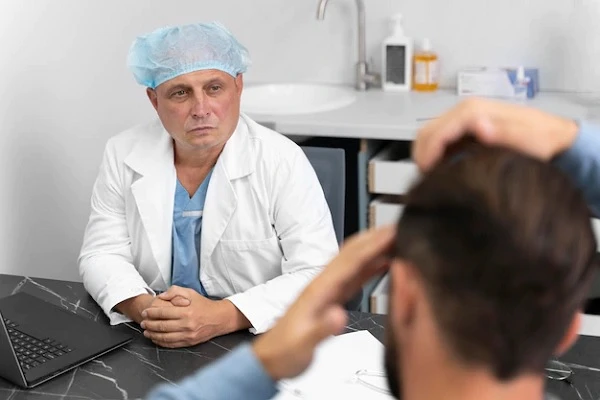
It may seem a bit unconventional, but it is a widely accepted practice around the globe for people contemplating facial hair restoration to first seek the expertise of a dermatologist. This preliminary consultation is crucial in assessing whether they are suitable candidates for such treatments. A dermatologist in a hair transplant possesses the knowledge and experience necessary to provide an accurate diagnosis and comprehensive guidance tailored to each individual’s needs.
Given that hair follicles are situated within the skin, it follows that any factors impacting the skin’s health can also influence hair growth and quality. This interconnectedness is particularly important because various compounds emitted by the skin can play a significant part in hair vitality. Therefore, to prevent potential damage that could compromise hair health or to address issues related to permanent hair loss, it is highly advisable to consult with an expert dermatologist in a hair transplant procedure. Their expertise can be invaluable in ensuring the best outcomes for those seeking to restore their facial hair.
What’s the importance of a dermatologist in Hair Transplant?
As we said before, the role of a dermatologist is absolutely crucial when it comes to hair transplant procedures. As experts in the field of hair and scalp health, dermatologists ensure the success and safety of hair transplant surgeries. Firstly, the dermatologist’s expertise is essential in the evaluation and assessment of a patient’s candidacy for a hair transplant. They will thoroughly examine the patient’s scalp, analyze the pattern and extent of hair loss, and determine the availability of donor hair follicles. This comprehensive assessment helps the dermatologist develop a personalized treatment plan that takes into account the individual’s unique hair growth patterns, scalp condition, and aesthetic goals.
During the pre-operative phase, the dermatologist works closely with the patient to set realistic expectations and discuss the potential risks and benefits of the procedure. They will also ensure that the patient is in optimal health, addressing any underlying medical conditions or nutritional deficiencies that could impact the success of the transplant.
The dermatologist’s involvement doesn’t end there. They provide guidance and oversight to the surgical team. Their knowledge of hair and scalp anatomy, as well as their understanding of the delicate nature of hair follicles, is invaluable in ensuring that the transplanted hairs are harvested, prepared, and implanted with the utmost care and precision.
Furthermore, the dermatologist’s post-operative care is essential for the long-term success of the hair transplant. They will monitor the patient’s healing process, provide instructions for proper hair care, and address any potential complications or side effects that may arise. Regular follow-up appointments with the dermatologist allow for close monitoring of the transplanted hair’s growth and integration, ensuring that the patient achieves the desired aesthetic outcome.
What does hair loss consist of?
There is nothing intrinsically wrong with having your hair fall out. Regardless of age or gender, it is an inevitable process that occurs throughout your life. We lose anything from fifty to one hundred individual strands of hair every day. That seems like a significant amount. However, since each of us has over 100,000 hair strands and more, daily hair loss is not readily apparent. As soon as we notice bald spots and our hair begins to fall out in more significant quantities, we realize something is amiss. Each follicle on our heads is currently undergoing a stage of the growing process. These follicles could be in a variety of stages at any given time.
Baldness can occur when the pace of new hair development is not sufficient to replace the amount of hair that is shed. As described in several circumstances. The medical term for hair loss is alopecia, and there are many different causes and manifestations of this condition. In general, a few different types of hair loss may be distinguished from one another. Receding hair, thinning hair, unexpected clumps of hair breaking out, and patches all around the head. Some individuals may develop complete baldness across their entire body in extreme circumstances.
Hair loss is a problem for both men and women. Although men are more likely to experience androgenetic alopecia. Androgenetic alopecia is more common as men become older. Beginning at age 40 and forward, one in two men will have the disorder. Men will, as time passes, observe that their hair is becoming thinner and that their hairlines are receding when some people brush their hair or shower. They may experience clumps of hair falling out.
What are the causes of hair loss?
A variety of factors can cause hair loss. So, it’s essential for your dermatologist to thoroughly investigate the underlying causes in order to develop the most effective treatment plan. Let’s explore some of the common causes of hair loss:
Genetics and hormonal imbalances
Androgenetic alopecia, commonly called female or male pattern baldness, ranks among the most common causes of hair loss. This hereditary condition affects both men and women, though it manifests differently in each gender. Men often experience a receding hairline and thinning at the crown, while women typically notice overall thinning, particularly along the part line. A family history of hair loss increases the likelihood of inheriting this condition, making genetics a key factor.
Hormonal fluctuations, particularly in androgens, also play a significant role in accelerating hair loss progression. Dermatologists often begin evaluations by reviewing family history to pinpoint genetic links to androgenetic alopecia. They may also perform tests to check hormone levels, as hormonal imbalances greatly impact hair health and growth. It provides critical insights into effective treatment options.
Stress
Intense physical or emotional stress profoundly impacts well-being, often leading to telogen effluvium. This hair loss condition occurs when numerous hair follicles prematurely enter the resting phase, causing noticeable and excessive shedding. The hair growth cycle relies on a delicate balance of growth, rest, and shedding, and disruptions significantly affect this process, triggering cascading hair-related issues.
The shedding associated with telogen effluvium often appears months after the stressor, complicating efforts to identify the cause. This delayed response heightens anxiety and concern, as individuals may struggle to link their hair loss to specific events or stressors, leaving them searching for answers.
Illnesses
Severe illnesses, major surgeries, or significant life changes like losing a loved one or experiencing trauma often trigger this response. Anxiety, depression, and overwhelming transitions act as emotional stressors that disrupt the body’s systems, worsening hair loss and creating additional challenges for individuals.
Sudden physical or emotional impacts induce the body to respond in unusual ways. It prioritizes essential functions, which disrupts hair production and intensifies the problem. This stress-induced cycle deepens feelings of insecurity, affecting both mental health and overall quality of life. Recognizing the connection between stress and hair loss helps individuals explore effective coping strategies and interventions.
Nutritional deficiencies
An inadequate intake of essential nutrients, such as iron, protein, zinc, and vitamin D, can have profound effects on the normal hair growth cycle, potentially leading to thinning hair or excessive hair shedding. Each of these nutrients plays a critical role in maintaining healthy hair. For instance, iron is essential for the transport of oxygen to hair follicles, while protein is a building block for hair structure itself.
Zinc supports the functioning of oil glands around hair follicles, and vitamin D promotes the growth of new hair. If you are facing hair loss, consult with a dermatologist, who may recommend comprehensive blood tests. These tests can help identify any nutritional imbalances that may be contributing to your hair issues.
How does a dermatologist in a hair transplant assist those with hair loss?
If you are experiencing persistent hair loss without an apparent cause, it is crucial to make an appointment with a dermatologist as soon as possible. The dermatologist will conduct a thorough physical examination and review your medical history during your visit. They may also request a blood test to assess your thyroid function, hormone levels, and any potential nutritional deficiencies. By evaluating these factors, your dermatologist can recommend several practical approaches to help stimulate new hair growth.
- Medication: One common treatment option is the use of medication. Your dermatologist may prescribe topical minoxidil, often known by its brand name, Rogaine – which has been shown to promote hair thickness and growth. In some cases, the dermatologist may also suggest Finasteride in pill form. While you can expect to see some improvement in hair growth within six to twelve months with either option, it’s important to note that continued use is necessary to maintain the full benefits. However, it’s crucial to know that both medications may have potential side effects.
- Laser therapy: Another effective approach is low-intensity light therapy, also known as laser treatment. This non-invasive method for promoting hair growth is relatively comfortable and has minimal side effects. Your dermatologist may use a specialized device to deliver light pulses to your scalp, which can help repair damaged skin cells and improve blood circulation. Both men and women can experience significant benefits from this treatment. Laser therapy typically requires multiple sessions spread over the course of a year, but with consistent attendance, you should see a noticeable improvement in your hair growth rate.
By working closely with your dermatologist and following their recommended treatment plan, you can take proactive steps to address your hair loss and stimulate healthy hair regrowth. The key is to act promptly and trust the expertise of your dermatologist to guide you through the most effective solutions for your specific needs.
Faq’s
Can a dermatologist address underlying conditions affecting hair loss?
Yes, they specialize in diagnosing and treating a range of conditions that can affect hair health. One of these conditions is alopecia areata, which causes sudden hair loss in patches and hormonal imbalances that can lead to thinning hair. It also stimulates various scalp disorders that may impede healthy hair growth.
Is a dermatologist necessary if a clinic offers hair transplant services?
Yes! A dermatologist ensures specialized medical oversight, minimizing complications and improving treatment outcomes. Their expertise surpasses that of non-specialist providers, as they excel at diagnosing and managing complex skin conditions. With a deep understanding of dermatology, they deliver high-quality care tailored to each patient’s unique needs.
What role does a dermatologist play in a hair transplant procedure?
Dermatologists thoroughly assess the factors causing hair loss, carefully reviewing medical history, lifestyle, and other influences. They create a detailed plan for the hair transplant, addressing both technical aspects and aesthetic goals. At every stage, they align the process with medical best practices and the patient’s preferences, ensuring natural and satisfying results.
Conclusion
Dermatologists play an indispensable role in the success of hair transplant procedures and the broader management of hair loss. Their specialized knowledge ensures accurate diagnoses, tailored treatment plans, and expert guidance through every stage of the process. From identifying the root causes of hair loss—whether genetic, hormonal, or stress-related—to recommending effective treatments such as medication or laser therapy, dermatologists provide comprehensive care that prioritizes both safety and long-term results. Acting promptly and trusting a qualified expert not only helps restore hair but also enhances confidence and overall well-being. In the journey to combat hair loss, partnering with a dermatologist ensures the best possible outcomes.