



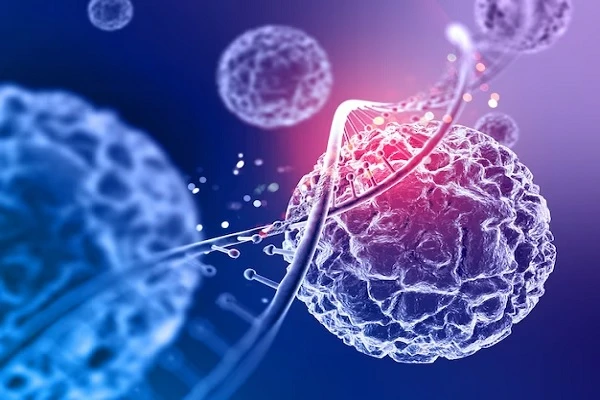
People all over the world have long seen hair as a sign of beauty, identity, and confidence. Its loss, whether from getting older, genetics, or something else, can cause worry and fear. So, people have been looking for effective hair loss treatments for a long time. This has led us to look into the cutting-edge field of cloning to find an answer.
Cloning is a science that has been fascinating people for decades. It gives us the chance to make organisms that are genetically similar to each other. This ground-breaking technology can be used to make babies and treat diseases, but it also has a surprising use: it could be used to make hair grow back. In this blog, we explore the fascinating world of cloning, from its beginnings in the past to how it is used today.
Our trip will take us through the confusing world of hair loss, a common problem that can be hard to deal with emotionally. We’ll talk about how cloning, especially cloning hair follicles, is becoming a sign of hope for people who want to get their hair back and feel better about themselves. So, let’s go on this interesting journey and find out how cloning and hair recovery are connected in a complicated way.
Maybe you are interested: How to feed hair in autumn?
Understanding Cloning
Cloning, fundamentally, refers to the procedure of generating genetically indistinguishable replicas of an organism, cell, or DNA molecule. This scientifically intriguing technique possesses extensive ramifications and applications across diverse sectors, encompassing medicine, agriculture, and other domains.
Historical Background of Cloning
Cloning is not a novel idea; rather, it has piqued people’s interest for ages. Significant advancements, however, did not occur until the 20th century. The successful cloning of tadpoles by Robert Briggs and Thomas J. King in 1952 via nuclear transfer from frog embryos into egg cells was a major advance in the field of cloning. This first step forward set the stage for further developments.
Different Types of Cloning
- Reproductive Cloning: The goal of this type of cloning is to make a copy of an organism that is genetically identical to the original. In 1996, “Dolly the sheep” was cloned from the DNA of a single adult sheep cell. This is the most well-known case of cloning.
- Therapeutic Cloning: Therapeutic cloning, also called “embryo cloning” or “somatic cell nuclear transfer,” aims to create stem cells for therapeutic purposes. For the purposes of regenerative medicine, illness study, and prospective tissue or organ replacement therapies, cloning embryos is a common practise.
The Role of Stem Cells in Cloning
Stem cells are crucial in cloning, especially for medicinal purposes. These extraordinary cells may differentiate into a wide variety of different cell types, making them crucial for the regeneration and repair of damaged tissues. Stem cells are frequently isolated from cloned embryos and cultivated in the lab as part of therapeutic cloning.
These cultivated stem cells show significant potential in treating a wide range of disorders, including those affecting hair follicles, because they can be instructed to develop into specific cell types. Grasping these cloning basics paves the way for investigating the field’s potential role in resolving the perplexing problem of hair loss.Top of Form
Factors Contributing to Hair Loss
Hair loss is a multifaceted occurrence that is impacted by a multitude of causes, encompassing both genetic and environmental components.
- Genetics: Hair loss is frequently influenced by familial ancestry. Individuals who possess a familial history of hair loss in their parents or grandparents may have a hereditary predisposition towards this condition.
- Hormonal imbalances: such as those observed during pregnancy, menopause, or specific medical disorders, have the potential to initiate hair loss.
- Aging: The process of ageing is associated with a decline in the rate of hair development and a potential decrease in the activity of hair follicles. The phenomenon of natural ageing is a significant factor in the occurrence of hair thinning and loss.
- Life Style: Various lifestyle factors might contribute to the occurrence of hair loss, including inadequate nutrition, elevated stress levels, smoking, excessive use of hairstyling products, and the consumption of specific drugs.
Current Treatments for Hair Loss
A wide array of therapies and remedies are accessible in the pursuit of addressing hair loss, including both non-invasive and surgical methods.
- Pharmacological Interventions: Medications that have received approval from the Food and Drug Administration (FDA), such as minoxidil (Rogaine) and finasteride (Propecia), are frequently employed to decelerate the process of hair loss and foster the reemergence of hair growth.
- Topical treatments: Treatments such as shampoos, conditioners, and serums, are commonly employed to enhance hair strength and foster improved scalp health. These treatments often contain enriching elements like biotin, caffeine, and ketoconazole.
- Hair transplantation: This involves the surgical procedures of follicular unit transplantation (FUT) and follicular unit extraction (FUE), which entail the transplantation of hair follicles from a donor area to areas experiencing hair loss.
- Low-Level Laser Therapy (LLLT): It involves the utilisation of low-level laser light to induce the stimulation of hair follicles, hence promoting the development of hair.
Cloning and Hair Regrowth: The Connection
Hair follicles are small, skin-encased structures that are in charge of hair growth and upkeep. They undergo growth, rest, and shedding phases and are made up of several cell kinds. When these follicles are creating new hair, hair growth begins. The purpose of hair follicle cloning is to produce identical, transplantable hair follicles. The person experiencing hair loss has a small sample of healthy hair follicles taken from their scalp by scientists.
These follicles are then cloned using methods like somatic cell nuclear transfer and induced pluripotent stem cell reprogramming to be grown and multiplied. Once a sufficient number of cloned follicles are produced, they can be surgically implanted into the scalp to restore hair growth in bald or thinning areas. The goal of hair follicle transplantation is to stimulate new hair development by regenerating follicles that have gone inactive or have stopped functioning properly.
Recent Breakthroughs in Hair Cloning Research
In recent years, significant advancements have been made in the realm of hair cloning research. Significant progress has been achieved by researchers in the enhancement of efficiency pertaining to hair follicle cloning methodologies, as well as the amelioration of the overall quality of cloned follicles. These technological breakthroughs have significantly contributed to the progress towards establishing hair cloning as a feasible and efficacious remedy for hair loss.
Potential Advantages of Hair Cloning over Traditional Treatments
Hair cloning possesses numerous potential advantages in comparison to conventional therapies for hair loss.
- Natural-Looking Results: The process of cloning facilitates the transplanting of genetically similar hair follicles, resulting in outcomes that are more aesthetically authentic and enduring as compared to the utilisation of synthetic hairpieces or wigs.
- Reduced Need for Medications: The potential of hair cloning lies in its ability to offer a lasting remedy for hair follicle restoration, hence reducing the necessity for continuous pharmaceutical usage.
- Personalised Treatments: Cloning processes can be customised for each individual, so guaranteeing that the transplanted hair corresponds to the individual’s inherent hair type, colour, and texture.
- Minimized Side Effects: The potential for reduced side effects is a notable advantage of hair cloning in comparison to certain drugs, as the latter can elicit undesirable reactions in specific individuals.
The Challenges of Hair Cloning
Ethical Considerations
- Concerns about Cloning Ethics: Ethical considerations pose one of the biggest obstacles to progress in hair cloning and cloning more generally. The ethical implications of generating and modifying creatures, even if for therapeutic or cosmetic purposes, are called into question by the idea of manipulating life at the genetic level. To guarantee that cloning technology is utilised responsibly and in a way that respects human dignity and social values, it must undergo rigorous ethical review.
Technical Hurdles
- The Complexity of Cloning Hair Follicles: The process of cloning hair follicles is characterised by its complicated and complex nature. The successful transplantation of hair follicles necessitates both the accurate reproduction of these structures and their meticulous placement and integration into the recipient’s scalp. The difficulty is in replicating the complex milieu of the scalp in order to achieve optimal functionality of cloned follicles comparable to their natural counterparts.
Conclusion
This post delves into the captivating realm of hair cloning and its possible implications for hair restoration, while reiterating the fundamental importance of hair within the human experience. Hair is not merely a conglomeration of individual strands, but rather an integral component of our own identity, self-worth, and cultural manifestations. Hair loss, a prevalent and frequently psychologically demanding matter, underscores the want for pioneering remedies that surpass conventional therapies.
The process of cloning, characterised by its exceptional capacity for replication and regeneration, presents a promising prospect for individuals impacted by hair loss. Through the utilisation of cloning techniques, it is conceivable to envisage a future wherever the achievement of naturalistic and enduring hair regrowth becomes an actuality.