



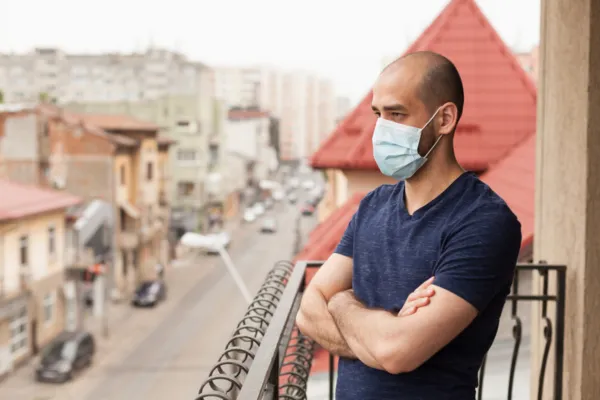
If you live in a big, busy city, you probably already know what pollution does to your lungs and sinuses. But your scalp is also on the front line every single day. Smog, dust, exhaust fumes, cigarette smoke, and tiny particles in the air land directly on your scalp and hair – and over time, they can weaken what’s known as your scalp barrier.
Understanding how city pollution affects this barrier can help you protect it with simple, everyday habits – and know when it’s time to get expert help.
What Exactly Is Your “Scalp Barrier”?
Think of your scalp barrier as a finely tuned “shield” made up of:
- The outermost layer of skin (stratum corneum)
- Natural oils (sebum) that coat the scalp and hair
- A healthy microbiome of good bacteria and fungi
Together, they:
- Keep irritants and pollutants out
- Reduce water loss from the skin
- Help maintain a comfortable, non-itchy, non-flaky scalp environment
When the scalp barrier is damaged, it can’t do its job properly. The skin loses more moisture, becomes more reactive, and is more likely to feel dry, tight, itchy or inflamed. Because the scalp is already a busy, active area with many oil glands and hair follicles, it may be especially sensitive to environmental stress.
How City Pollution Attacks the Scalp Barrier
Urban air isn’t just “dusty”. It’s a mix of:
- Fine particulate matter from vehicles, industry, and construction
- Nitrogen dioxide, ozone, sulfur dioxide and other gases
- Smoke and soot from traffic and burning waste
- Heavy metals and other compounds that sit on the surface of particles
When these pollutants land on your scalp and hair, several things can happen:
- Oxidative Stress and Inflammation
Pollutants can generate reactive oxygen species (ROS) – unstable molecules that damage cells. Over time, this can lead to:
- A scalp that feels tight, itchy or burning
- Flare-ups of dandruff or seborrheic dermatitis
- Inflammation around hair follicles, which may play a role in certain types of hair thinning
- Follicle Build-Up and Micro-Environment Changes
Pollutants and surface debris can mix with sebum and styling products, creating build-up around follicles. This doesn’t literally “plug” them like a cork, but it can disturb the micro-environment around the follicle and trigger low-grade inflammation over time.
- Disruption of the Hair Growth Cycle
There is growing evidence that chronic exposure to pollution can interfere with the hair growth cycle, pushing more follicles into the resting (shedding) phase. That’s one reason people living in highly polluted cities sometimes notice diffuse thinning and increased shedding over several months.
Signs Your Scalp Barrier Is Struggling
You don’t need a microscope to suspect that pollution is bothering your scalp. Warning signs can include:
- Persistent itching or tingling
- Dry, tight, or burning sensation after a day out
- Flaking that looks like dandruff – even if you’ve never had it before
- Oily yet irritated scalp (overcompensation after barrier disruption)
- More hair on your pillow, bathroom floor, or brush than usual
- Increased sensitivity to products you previously tolerated well
If these symptoms persist for weeks despite gentle care, it’s worth getting your scalp examined.
Everyday Ways to Reduce Pollution Exposure – Without Moving Out of the City
You can’t control the air outside your door, but you can control how long pollutants stay on your scalp and how robust your barrier is. Here are practical, everyday steps that actually make a difference.
- Build a Gentle “Pollution-Cleanse” Routine
- a) Cleanse regularly, but don’t strip the scalp
- Wash your hair often enough to remove surface pollutants – for most people in very polluted cities, that’s 2–4 times a week, and up to daily if you sweat a lot or use helmets/hats.
- Choose gentle, pH-balanced shampoos that cleanse without leaving your scalp squeaky-dry. Very harsh cleansers can further damage the barrier.
- b) Rinse with lukewarm (not hot) water
- Very hot water can disrupt the natural lipids in the barrier, leaving your scalp tight and irritated.
- Lukewarm water is enough to dissolve product and pollution build-up without stripping your natural oils.
- c) Clarify occasionally, not daily
- If you live in a heavily polluted area or use a lot of styling products, consider a mild clarifying shampoo once every 1–2 weeks.
- Follow with a soothing, hydrating conditioner or scalp serum to replenish moisture.
- Create a Physical Shield
Masks can filter what reaches your lungs; your scalp also appreciates some physical protection:
- Wear a loose, breathable cap, scarf or hat when pollution levels are very high.
- Avoid overly tight headwear that rubs on the same spot or pulls on the hairline; chronic tension can contribute to traction-related hair loss.
- If you wear a helmet daily, wipe the inside regularly so sweat, sebum and dust don’t form a constant irritant layer on your scalp.
- Go Easy on Styling Products
Heavy styling creams, sprays, and dry shampoos can trap pollutants against the scalp and hair shaft. Over time, this can worsen dryness, irritation and breakage.
Try to:
- Keep leave-in products mostly on the lengths, not directly on the scalp
- Avoid layering too many products at once
- Brush or comb gently in the evening to loosen surface particles before bed
- Take Indoor Air Seriously Too
City dwellers often assume they’re “safe” indoors, but indoor air can also carry fine particles, fumes from cooking, and dust.
Helpful tweaks:
- Ensure good ventilation when cooking
- Avoid smoking indoors
- Clean dusty surfaces and fabrics regularly so fine particles don’t recirculate
- If possible, use an air purifier in rooms where you spend the most time
- Support Your Scalp Barrier From Within
A healthier body generally supports healthier hair and skin. Day-to-day habits that help:
- Eat a colourful, antioxidant-rich diet (fruits, vegetables, nuts, seeds)
- Include healthy fats like omega-3s (fatty fish, flax, walnuts)
- Stay well-hydrated
- Manage stress as best you can – high stress can itself trigger temporary shedding
- Prioritise sleep, which is when repair and regeneration are most active
When It’s Time to See a Specialist
Pollution is only one of many factors that influence hair and scalp health. Genetics, hormones, nutrition, medications and underlying medical conditions all play major roles. You should seek professional help if you notice:
- Sudden, heavy shedding over several weeks
- Patchy hair loss or bald spots
- A scalp that is very red, scaly, painful, or oozing
- Pustules (pimple-like bumps), crusting, or severe dandruff that doesn’t improve with over-the-counter care
- Any hair loss accompanied by other symptoms like fever, weight changes or fatigue
A dermatologist or hair-restoration specialist can examine your scalp, run appropriate tests if needed, and identify whether pollution is a contributing factor or if something else is driving your symptoms.
How Capilclinic Can Help
If you’ve been living with city pollution for years and are now seeing thinning or persistent scalp discomfort, it’s not “just vanity” – it’s a legitimate health and quality-of-life concern.
At Capilclinic, our medical team assesses not only your hair follicles but also:
- The overall health of your scalp barrier
- Your lifestyle and environment, including pollution exposure
- Any underlying scalp or hair conditions
Based on this, we can recommend:
- Medical-grade shampoos, serums and scalp-care routines
- Treatment of underlying scalp conditions
- Advanced hair transplant and regenerative options where appropriate
Important Note
This article is for general information only and does not replace a consultation with a qualified doctor. Always seek personalised medical advice if you are worried about hair loss, scalp disease, or any new or worsening symptoms.
At Capilclinic, we’re trusted by thousands of patients in the UK and Europe as a leading Hair Transplant Clinic in Turkey and Spain, known for our expert doctors, advanced facilities, natural hairline results, and affordable all-inclusive packages. Reach out to our team today to start your transformation.