




As summer arrives and the allure of public swimming pools grows, it’s important to note that chlorine damages hair. This essential disinfectant eliminates harmful germs and protects swimmers from waterborne infections, but its impact on hair cannot be ignored. After repeated exposure, is it true that chlorine damages hair?
While necessary for pool hygiene, chlorine poses challenges for hair health. It strips natural oils, leaving locks lifeless and prone to breakage. Additionally, it may irritate the skin, causing redness and itching. Understanding how chlorine damages hair is crucial for enjoying swimming without compromising your hair. Explore the tips below to protect your tresses and maintain your comfort.
Does Chlorine damage hair?
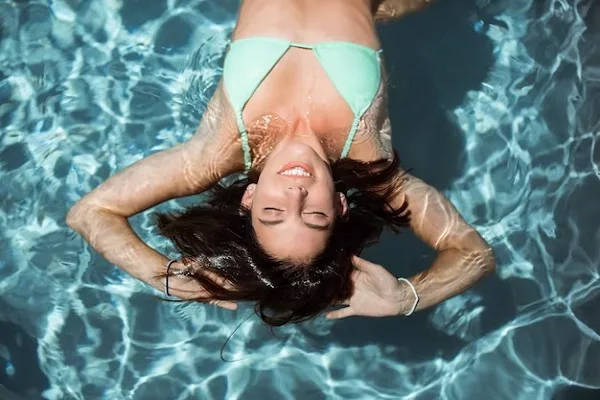
If you were wondering, “Does Chlorine damage hair?” The answer is yes. It aggressively attacks its delicate structure, penetrates deep into the hair shaft, and disrupts the natural balance of oils and proteins that provide strength, shine, and manageability.
This chemical exposure leaves hair parched, brittle, and prone to breakage. Over time, repeated contact with chlorine leads to dull, frizzy, and discoloured strands. Without proper care, the damage can escalate, creating a hair care challenge that’s difficult to reverse.
What damage does chlorine do to your hair?
Recognizing how chlorine damages hair helps you address the issue effectively. Look for these key symptoms that impact hair health and appearance:
Dry, brittle, and coarse texture
Chlorine can wreak havoc on your hair, especially for those who love to swim. Its harsh chemical properties relentlessly strip away the natural oils that nourish and shield hair, leaving it rough and parched. Strands may turn brittle, resembling scorched straw.
Chlorine-damaged hair transforms its texture into a tangled, frizzy mess that appears dull and lifeless. Such deterioration complicates styling and heightens the risk of breakage. Protecting hair from chlorine damage is absolutely essential to preserve its health and beauty.
Excessive frizz and split ends
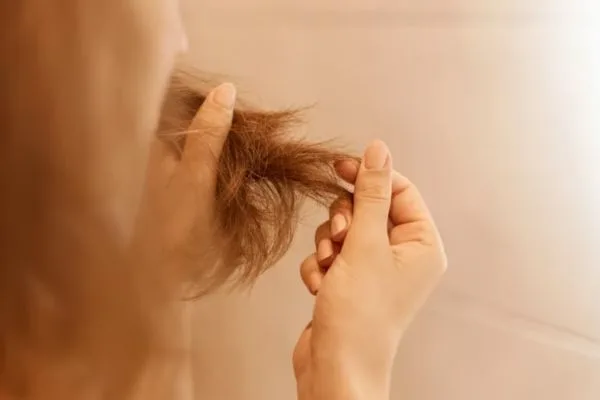
Chlorine is a potent dehydrating agent that lifts the hair’s cuticles and renders them vulnerable to damage. This vulnerability often results in split ends, which cause the hair to fray and break, leading to a wild and untamed appearance.
With raised cuticles, hair suffers from split ends and develops excessive frizz, making it nearly impossible to manage. Each attempt to smooth your hair becomes a battle against increasing fluffiness, leaving you exasperated. Understanding how chlorine damages hair is essential for maintaining healthy locks.
Discoloration and brassiness
Chlorine damages hair by interacting with the natural pigments found within each strand. As this reaction unfolds, it often alters your hair’s colour, dulling its vibrancy. Instead of showcasing vibrant, healthy shades, your locks can take on brassy tones that make them appear lacklustre.
In some cases, strands may even develop an unsightly greenish tint. These transformations rob your hair of its radiance, leaving it looking lifeless and far from its original brilliance.
Increased tangling and knots
Chlorine strips moisture, making hair rough and prone to tangling. This leads to increased matting and frustrating knots, making brushing difficult. What once was quick now feels like a struggle, adding to the chaos of split ends and breakage.
As you tackle these knots, the risk of further chlorine damage to hair rises. Fragile strands become prone to breaking, resulting in uneven lengths and a dull appearance. This constant battle tests your patience and detracts from your hair’s natural beauty.
Slow growth and thinning
Prolonged exposure to chlorine slows hair growth and leads to noticeable thinning. Your once-thick and vibrant locks may begin to appear fragile, weak, and sparse, causing you to feel a sense of loss about your hair’s former glory.
This gradual deterioration can understandably leave you feeling deeply concerned about your hair’s future and how it will look in the coming months. Additionally, the increasing fragility of your hair makes it increasingly challenging to maintain a luscious, healthy mane, and it may require more care and attention to restore its previous beauty.
Is chlorine hair damage reversible?
Chlorine hair damage is often reversible with the right care. First, use a gentle, sulfate-free shampoo to remove any chlorine residue. Then, follow up with a deep conditioning treatment to restore moisture and strengthen the hair. Incorporating a leave-in conditioner can further help repair and protect your hair.
By consistently using these products, you can gradually improve the texture and appearance of your hair, making it healthier over time. Ultimately, with patience and proper maintenance, you can effectively reverse the effects of chlorine damage.
How to avoid chlorine damaging hair?
Here are some of the best recommendations for preventing damage to hair caused by chlorine. These suggestions ought to lessen the potentially harmful effects of chlorinated water:
1. Use a swim cap or wear a protective hairstyle
Consider wearing a swim cap or opting for a carefully styled protective hairstyle to safeguard your hair from the harsh effects of chlorinated water. A tightly braided hairdo or a secure bun can serve as an effective barrier, shielding your strands from direct exposure to chlorine while you swim.
2. Thoroughly wet your hair before swimming
Before diving into the pool, saturate your hair with clean, non-chlorinated water. This simple step is crucial, as it creates a protective layer that helps minimise the absorption of chlorinated water, thereby reducing the potential damage to your hair.
3. Apply a protective pre-swim treatment
For an added layer of defence, apply a nourishing product such as a leave-in conditioner, a natural oil, or a specialized chlorine-blocking treatment before you start swimming. These products help to form a protective shield around each hair strand, effectively reducing chlorine’s impact.
4. Rinse immediately after swimming
As soon as you exit the pool, rinse your hair thoroughly with clean water. This swift action is essential for flushing out chlorine, preventing it from lingering in your hair and causing further damage.
5. Use a clarifying shampoo
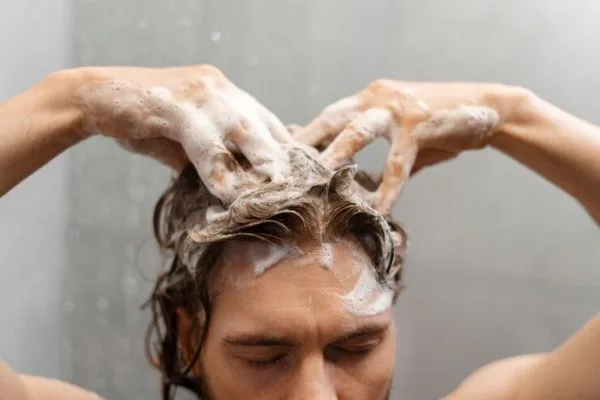
To maintain your hair’s health, consider using a deep-cleansing, sulfate-based clarifying shampoo. This type of shampoo is designed to effectively remove any lingering chlorine residue, ensuring your hair is free from any harmful buildup.
6. Nourish your hair with deep conditioning
Indulge in deep conditioning treatments regularly to help rejuvenate and replenish your hair. Chlorine can strip your strands of essential oils and proteins, so a rich, deep conditioner can restore your locks’ hydration, strength, and shine.
7. Chlorine-removing shower filter
To further protect your hair from the damaging effects of chlorine, consider installing a specialized shower filter that removes chlorine from your water supply. This small change can drastically reduce ongoing exposure and help maintain your hair’s health and vitality in the long run.
How to fix chlorine-damaged hair? DIY Tips
If chlorine has taken a toll on the health and appearance of your hair, all is not lost. You can breathe new life into your chlorine-damaged tresses with the right DIY treatments and restorative strategies. Let’s explore some effective home remedies to help repair and revive your hair:
Deep conditioning treatments
The first line of defence against chlorine damage is replenishing your hair’s lost moisture and nutrients. Indulge in weekly deep conditioning treatments using nourishing ingredients like coconut oil, argan oil, or a protein-rich hair mask. Leave the conditioner on for at least 20-30 minutes before rinsing for maximum absorption and hydration.
Apple Cider Vinegar rinse

The acidic nature of apple cider vinegar can help close the lifted cuticles and restore the pH balance of chlorine-damaged hair. Mix one part apple cider vinegar with three parts water and rinse after shampooing to strengthen and smooth the hair.
Honey and yoghurt hair mask
Combine 1/2 cup of plain yoghurt, 2 tablespoons of honey, and 1 teaspoon of olive oil to create a creamy, restorative hair mask. Apply the mixture to your hair, cover it with a shower cap, and let it sit for 30 minutes before rinsing. The proteins in yoghurt and the emollient properties of honey work together to repair damage and soften your strands.
Avocado and Banana hair treatment
Mash together a ripe avocado and a banana, then work the mixture through your hair from roots to ends. These ingredients’ healthy fats and vitamins can deeply nourish and revive chlorine-damaged hair. Cover with a shower cap and let the treatment sit for 45 minutes before rinsing.
Coconut oil
Applying a generous amount of virgin coconut oil to your hair before shampooing can create a protective barrier against chlorine exposure. Massage the oil into your scalp and lengths, then shampoo and condition as usual. The coconut oil helps lock in moisture and prevent further damage.
Egg yolk hair mask
The proteins in egg yolks can help strengthen and repair the structure of chlorine-damaged hair. Whisk together 2-3 egg yolks, add a tablespoon of olive oil, and apply the mixture to your hair. Cover with a shower cap and let it sit for 30 minutes before rinsing.
Aloe Vera
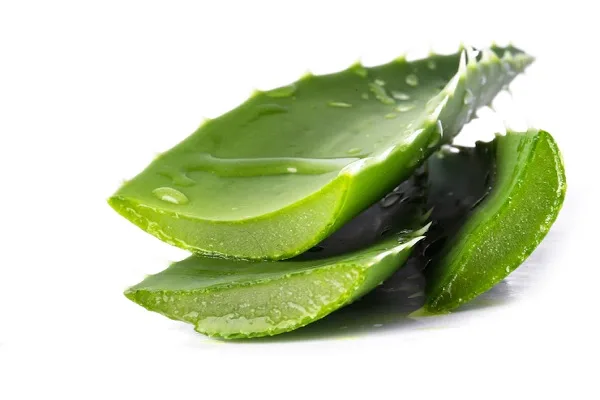
Aloe vera’s soothing and hydrating properties make it an excellent remedy for chlorine-damaged hair. Gently massage pure aloe vera gel into your scalp and lengths, let it sit for 20 minutes, then rinse. The aloe vera can help restore moisture and calm any irritation caused by chlorine exposure.
Faq’s
How long does it take for chlorine to damage hair?
The extent and timeline of chlorine damage can vary, but even a single swim in a chlorinated pool can begin to strip your hair of its natural oils and proteins. Frequent or prolonged exposure to chlorine can lead to significant damage within weeks or months.
Can chlorine-damaged hair be repaired?
Yes, with the right hair care regimen and restorative treatments, it is possible to repair and revive chlorine-damaged hair. Deep conditioning, protein treatments, and the use of nourishing oils and serums can help rebuild the strength and health of your hair over time.
Is there a difference between saltwater and chlorine damage hair?
While saltwater and chlorine damage hair, the damage mechanisms differ. Chlorine is a strong oxidizing agent that strips away oils and proteins, while saltwater’s high mineral content can dehydrate hair and leave it feeling stiff and crunchy. The appropriate repair strategies may vary slightly between the two.
Conclusion
Chlorine damages hair because exposure undeniably affects hair health, leaving it dry, brittle, and prone to damage. While swimming in chlorinated pools is enjoyable, it’s essential to understand and mitigate the risks to maintain hair vitality. Pre-swim preparations, such as wetting hair or using protective treatments, and post-swim remedies, such as rinsing and deep conditioning, play vital roles in safeguarding hair. With the proper care and attention, chlorine damage can be minimized and even reversed.
At Capilclinic, we’re trusted by thousands of patients in the UK and Europe as a leading Hair Transplant Clinic in Turkey and Spain, known for our expert doctors, advanced facilities, natural hairline results, and affordable all-inclusive packages. Reach out to our team today to start your transformation.