



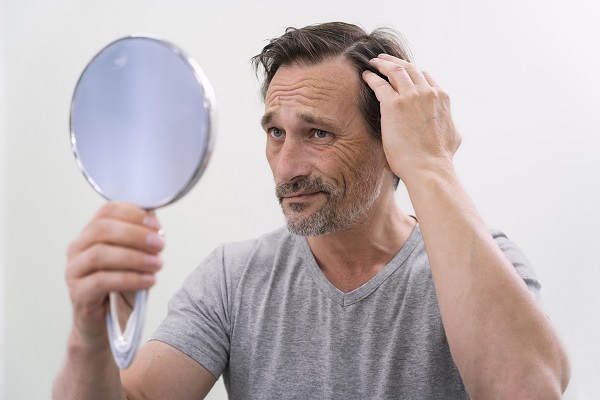
The effect a good haircut has on the face and general appearance is quite mind-boggling. Your hair alone can turn heads, especially when you care for it and give it a healthy appearance. However, not everyone can boast of the hair mass essential for this result, and that is because of hair thinning or slow growth. Hair loss is a prevalent condition, but we have a degree of control over it. In this blog post, we will discuss some of the significant causes of hair loss in men and how you can prevent it. Again, there are many options, but not all may be suitable for treating the cause of your hair loss. This is why you need to be familiar with the various reasons.
You see, 85% of men will eventually lose their hair density, and it can start as early as teen years for some. At the age of 70, at least four out of five men will have experienced hair loss to a significant degree. However, shampoos that improve hair health and growth, medications for treating infections that could result in hair loss, and hair transplants are all options men resort to.
Causes of Hair Loss in Men
Several factors can result in hair loss in men, and some of them include:
Causes of hair transplant: Family History
If you have a history of baldness in your family, you will likely experience a loss of hair density at some point in your life. Genetics plays a huge role in our physical composition, so if the men in your family lose their hair as they age, then you most likely will too. This condition is known as male pattern baldness or androgenetic alopecia. The manner of inheritance is not yet fully understood, and science still has no answer for why baldness occurs in the same pattern. However, this is a condition that you can combat with a hair transplant to the thinning hairlines, home remedies, essential oils, and regular scalp massages.
Androgenetic alopecia affects the aging male population and could also affect a teenager with a family history of this condition.
Choice of Haircuts
Your choice of haircuts may also result in hair loss. For instance, keeping long hair may require you to put it in a ponytail or man bun when you need to keep it out of your face. Making that ponytail too tight may not result in an immediate hair loss, but the hair at your hairline will gradually pull out, and this condition is known as traction alopecia. It occurs when you put too much tension on your hair follicles or leave them in a position that constantly pulls at them. So, avoid tight buns as much as you can.
Inadequate or Unbalanced Diets
Your diet affects every part of your body. It is best to include nutrients for full-body growth and development, extending to your hair. An unbalanced diet, particularly one that constantly lacks proteins like eggs, milk, meat, and fish, will stunt your hair growth. So, a diet that excludes protein or keeps it at a minimum will also have a detrimental effect on the growth of your hair.
Causes of hair transplant: Hair Treatments
There are many hair treatments we undergo to improve the quality of our hair. Some oils, conditioners, and shampoos we apply are supposedly meant to make out hair healthy and attractive. However, they end up clogging our follicles and accumulating grime and dirt because of the components in these hair treatments. Hair straighteners and curlers are also used for styling our haircuts, but they do a degree of damage to our follicles. The heat may be too much, so if at all you will apply a hot comb or straightener to your hair, keep it at a minimal temperature.
Medical Conditions
Alopecia areata is a medical condition that causes hair loss. It is an internal attack of the hair follicles by the immune system. This condition can also be caused by severe stress, and it manifests as bald patches that eventually become larger as the condition worsens. The hair will grow back, but it may also keep shedding as long as the condition persists. It is an incurable disease, but there are medical treatments for it. It also is not contagious and does not cause pain. Other medical conditions that may result in hair loss are lupus, diabetes, and cancer.
Causes of hair transplant: Medications
If you have ever read the back of some prescriptions, you may have come across hair loss as a side effect. Hair loss does not always happen due to medications, but it sometimes occurs, especially when the hair follicles are already weak from poor nutrition or other underlying conditions. Some medications that may elicit hair loss include treatments for cancer, high blood pressure, arthritis, depression, and treatments for heart conditions.
Hair Loss Symptoms
Hair loss can manifest in a variety of ways, and recognizing the symptoms is crucial for early intervention and understanding its underlying causes. Here is an in-depth exploration of common symptoms and signs of hair loss:
Gradual Thinning
Hair loss often begins with a gradual thinning of the hair. This usually occurs at the crown or on the top of the head. Hair starts to lose its density and thickness, resulting in a less robust appearance.
Receding Hairline
A classic symptom in men is a receding hairline. Hair at the frontal area begins to recede, forming an “M” shape or a more pronounced forehead.
Bald Spots
Some individuals experience bald spots, where hair is completely absent in specific areas of the scalp. These spots can range in size and are frequently round or oval in shape.
Excessive Hair Fall
Increased hair shedding during daily activities like washing, combing, or styling is an early sign of hair loss. If you notice more hair in your shower drain, on your pillow, or on your hairbrush, it could be an initial indicator.
Thinning at Temples
In men, alongside a receding hairline, there may be thinning at the temples, forming a distinctive “widow’s peak” pattern.
Hair Miniaturization
Hair follicles may undergo a process called miniaturization. This results in the production of finer, shorter, and less pigmented hair. It often precedes more noticeable hair loss.
Sudden Hair Loss
Telogen effluvium can cause abrupt and extensive hair loss. This condition is often triggered by physical or emotional stress, medication, illness, or pregnancy.
Patchy Hair Loss
Conditions such as alopecia areata lead to patchy hair loss. This condition manifests as perfectly round or oval bald patches on the scalp or other areas of the body.
Itching or Discomfort
Scalp conditions like fungal infections or inflammation can cause itching, discomfort, and hair loss in the affected areas.
Gradual Thinning Across the Scalp
Female pattern hair loss is characterized by a more diffuse thinning of hair across the entire scalp, rather than specific receding hairlines or bald spots.
Increased Scalp Visibility
As hair loss progresses, the scalp becomes more visible through the hair, especially when hair is wet or under strong lighting conditions.
Hair Loss in Other Areas
It’s important to note that hair loss is not confined to the scalp. It can also affect eyebrows, eyelashes, facial hair, and other body hair.
Texture Changes
Changes in the texture of the hair can occur, such as hair becoming finer, frailer, or losing its natural curl.
Excessive Hair on the Pillow
Waking up to find an excessive amount of hair on your pillow can be an indicator of hair loss, especially if this becomes a regular occurrence.
Family History
A family history of hair loss, especially among close relatives, can increase the likelihood of experiencing hair loss. Genetic factors play a significant role in determining susceptibility.
If you observe any of these symptoms, it is advisable to seek consultation with a healthcare professional or dermatologist. Identifying the type and underlying cause of hair loss early can facilitate effective treatment or management options tailored to your specific condition.
How to Prevent Hair Loss in Men
While hair loss is sometimes unavoidable, especially as we age, specific lifestyle changes we can adapt will delay hair loss significantly. For instance, exercising regularly will help relieve stress and help you stay fit. It is also best to opt for shampoos and other hair treatments that contain organic components instead of those fortified with chemicals, particularly silicone.
You can also use essential oils for hair care. Massage your scalp regularly to improve blood flow, stay hydrated, and increase your intake of proteins.
The use of hot combs and straighteners should reduce significantly, and it is best to turn down the heat if you must use them. Also, remember that your hair is most fragile when it is wet, so save your grooming and styling sessions for when your hair is significantly dry. If you have a medical condition that compels you to pull at your hair, it is best to see a specialist.
Conclusion
Hair loss is sometimes inevitable, but we can delay it as long as we want. There are many options for combating baldness or thinning of hair, but you must first identify what causes your own to determine the best solution.