



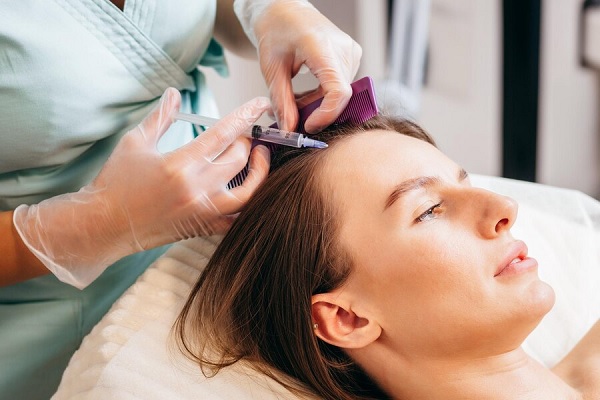
Hair loss is dangerous when you encounter a hairy tuft, sliding your hands through it or without straining your scalp. In Singapore, it surpasses weight worries as the top issue for males and females in their 40s, according to 42% of respondents. Capillary infiltration can exacerbate this issue.
Unfortunately, if the scalp or hair needs are not addressed, no number of hair loss therapies or shampoos can comfort the thinning regions on your scalp. Capillary infiltration can impede the effectiveness of these treatments. It is critical to recognize the root causes of your hair loss before seeking expert assistance to halt it. In this post, we’ll examine the most prevalent forms of hair thinning and discuss how mesotherapy can benefit both men and women experiencing hair loss.
What does Capillary Infiltration mean?
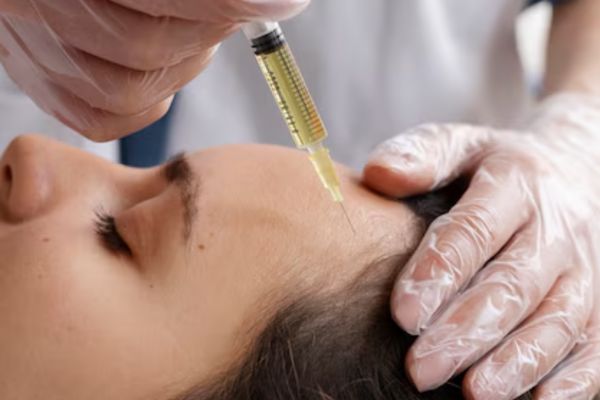
Capillary infiltration refers to the process by which hair strands absorb and retain moisture from the surrounding environment. Just as capillary action draws liquid into tiny spaces, the hair shafts have the ability to attract and retain moisture, which can affect the overall health and appearance of the hair.
Proper hydration and moisture balance are essential for maintaining healthy, lustrous hair. Capillary infiltration can improve elasticity, reduce frizz, and enhance manageability. However, excessive exposure to moisture or harsh chemicals can also damage the hair structure.
What are the hair loss types?
Various types of baldness can perplex people merely looking for a remedy. Simply put, you suffer hair loss if you notice recent bald patches or thinning places on the head that weren’t previously barren. Numerous factors, such as extreme stress, hormonal imbalances, genetics, and pregnancy, can contribute to this. Some prevalent kinds of hair thinning include the following ones.
Androgenetic Alopecia
Androgenetic alopecia, or male or female pattern hair loss, gradually thins hair due to genetic factors. Androgen hormones, including testosterone and its derivative, dihydrotestosterone (DHT), play a significant role in this condition. In predisposed individuals, these hormones shorten the hair growth cycle and weaken hair follicles. Over time, this leads to thinning, especially around the crown and temples, often resulting in a receding hairline.
In men, this condition often forms an “M”-shaped pattern of hair loss. Women typically experience diffuse thinning across the scalp, which is more noticeable when parting the hair. The progression varies widely among individuals and is influenced by factors such as age, ethnicity, and hormone levels.
Involutional Alopecia
Involutional alopecia occurs naturally with ageing and leads to gradual hair thinning. As people age, hair follicles slow their regeneration process, reducing the number of strands. While new hair continues to grow, it happens more slowly than older hairs fall out, creating thinning and sparse areas.
This condition affects individuals over 50, as their hair growth cycle shortens significantly. Men often show more pronounced balding patterns, while women experience broader thinning across the scalp. Managing the imbalance between hair growth and shedding is key to addressing this form of hair loss.
Traction Alopecia

Traction alopecia results from hairstyles that place excessive tension on hair follicles. Common among women, it is linked to tight hairstyles like braids, buns, ponytails, or extensions. Constant pulling weakens hair shafts, causing breakage or follicle damage.
This condition often affects the hairline and temples, leading to bald or thinned areas. Early intervention, such as discontinuing harmful hairstyles, can reverse traction alopecia. However, prolonged tension may cause permanent damage, emphasizing the importance of mindful hair care practices.
What causes poor capillary infiltration?
When capillary infiltration is compromised, the scalp’s ability to nourish hair follicles diminishes, leading to weakened hair and even hair loss. Several factors can disrupt this vital circulation, affecting both the scalp’s blood flow and the health of the hair.
- Hormonal Factors
- DHT (Dihydrotestosterone): This androgen hormone can shrink hair follicles, reducing blood supply and impairing capillary infiltration.
- Hormonal imbalances during conditions like pregnancy or menopausecan also affect scalp circulation.
- Scalp Conditions
- Sebum build-up:Excessive oil production can block hair follicles, impeding blood flow to the scalp.
- Dandruff or Psoriasis:Chronic inflammation and flaking can disrupt capillary function.
- Lifestyle factors
- Smoking:Nicotine constricts blood vessels, reducing oxygen and nutrient delivery to the scalp.
- Poor diet:Lack of essential nutrients like iron, zinc, and biotin can weaken capillaries and diminish blood flow.
- Stress:Chronic stress elevates cortisol levels, disrupting circulation and hair growth.
- Ageing
- As people age, the scalp’s blood vessels weaken naturally, reducing capillary infiltration.
- Medical conditions
- Cardiovascular issues:Poor heart health can restrict blood flow throughout the body, including the scalp.
- Diabetes:High blood sugar levels can damage capillaries and impair circulation.
- Environmental Factors
- Pollution:Particles from pollutants can clog pores and affect scalp health.
- Extreme weather:Excessive heat or cold can constrict blood vessels, limiting circulation.
- Tight hairstyles or headgear
- Continuous tension on the scalp can restrict blood flow, leading to localized hair thinning and poor capillary health.
- Sedentary lifestyle
- Lack of physical activity reduces overall blood circulation, impacting capillary infiltration in the scalp.
Medical interventions to improve capillary infiltration
Various medical interventions have been developed to enhance capillary infiltration in the scalp, ultimately promoting hair growth and scalp health. These interventions range from pharmacological treatments to advanced medical procedures aimed at improving blood flow and oxygen supply to the hair follicles. By understanding and implementing these techniques, clinicians can better address hair thinning and loss issues to ensure a more practical approach to scalp revitalisation.
1. Low-Level Laser Therapy (LLLT)
Low-Level Laser Therapy (LLLT) employs advanced laser or LED technology to deliver low-energy light directly onto the scalp, fostering an environment conducive to hair rejuvenation. This innovative and non-invasive approach not only stimulates cellular activity but also significantly enhances microcirculation and capillary infiltration within the scalp.
By facilitating increased blood flow to the hair follicles, LLLT effectively extends the anagen phase, or growth phase, of the hair cycle. As a result, this therapy encourages the development of healthier, denser, and more vibrant hair strands. Various devices, including laser combs, caps, and helmets, are utilized in this therapy, necessitating regular and consistent application to achieve the desired visible results over time.
2. Mesotherapy to enhance Capillary Infiltration
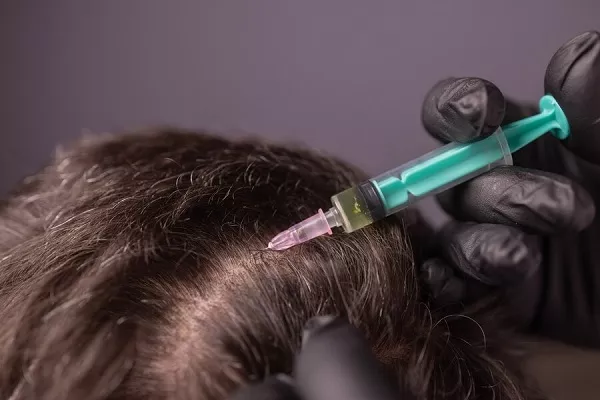
Mesotherapy is a cosmetic procedure that delivers small amounts of vitamins, minerals, amino acids, and other nutrients into the skin’s middle layer (mesoderm). This treatment addresses various concerns, including improving skin texture, reducing cellulite, promoting hair growth, and minimizing fine lines, wrinkles, and pigmentation issues.
The procedure is minimally invasive and customized to personal needs. The targeted injections rejuvenate and revitalize specific areas, enhancing skin health and appearance. Up to 54% of participants in research that used a variety of therapies to treat women with androgenetic alopecia reported that mesotherapy and minoxidil reduced hair loss.
Is mesotherapy for hair loss safe?
Most people tolerate mesotherapy well, making it a safe and effective option for those seeking visible improvements in their skin or hair. As said before, minoxidil, a drug that promotes hair growth, is one of the compounds that can be administered to the follicles using mesotherapy. Vitamins, plant extracts, and serums are additional ingredients.
3. Platelet-Rich Plasma
Platelet-rich plasma (PRP) is a treatment derived from a person’s own blood and delivered directly to the scalp. This innovative therapy aims to promote healing in tissues like hair follicles, which are crucial for hair growth.
A centrifuge spins the blood at high speeds to create PRP, separating its components. This process concentrates platelets that are rich in growth factors and proteins that support the body’s natural healing processes. PRP has gained popularity for its regenerative properties, serving as a standalone therapy for hair restoration, osteoarthritis, and tendon injuries.
Is PRP safe to treat hair loss?
Recent studies have shown promising results for PRP injections in treating androgenic alopecia. By revitalizing the hair follicles, PRP therapy offers a potential solution for people seeking to enhance hair growth and restore their hair’s vitality.
What does science say about PRP?
In 2019, a team of experts conducted a systematic analysis of studies on platelet-rich plasma as a treatment for hair loss, publishing their findings in the journal Aesthetic Plastic Surgery. Their review included 11 studies involving 262 patients with androgenetic alopecia. The researchers found that most trials indicated that PRP injections reduced hair loss and improved hair size and density. However, they also noted that the therapy remains controversial, and one limitation of their analysis was the small sample sizes and overall quality of the research.
Another systematic review published in 2019 in Dermatologic Surgery examined the outcomes of 19 studies on PRP as a hair loss treatment, with 460 participants. Most studies included in this review suggested that PRP treatments were beneficial for people with alopecia areata and androgenetic alopecia, offering a potential solution for the future of hair loss management.
Following their evaluation, the authors of this second study, published in the International Journal of Women’s Dermatology, considered platelet-rich plasma to be an effective treatment for hair loss. They emphasized that the results of PRP therapy can vary as different researchers and clinics utilize various preparation methods, session lengths, and injection techniques. The authors also pointed out that it is currently challenging to draw definitive conclusions about the efficacy of PRP treatment due to the absence of standardized injection methodologies.
Faq’s
How does poor capillary infiltration affect hair growth?
Poor capillary infiltration leads to reduced blood flow to the scalp and hair follicles. This can result in weakened hair follicles, thinning hair, and slower hair growth. In severe cases, it may contribute to hair loss or bald patches.
At what age does capillary infiltration begin to decline?
As people age, capillary infiltration naturally declines due to the weakening of blood vessels. This typically starts around the age of 40, though the degree of decline can vary depending on individual factors such as genetics and lifestyle.
Can poor capillary infiltration lead to permanent hair loss?
If left untreated, poor capillary infiltration can damage hair follicles, resulting in permanent hair loss. Early intervention with medical treatments and lifestyle adjustments can help prevent further damage and restore hair health.
Conclusion
Capillary infiltration is critical in maintaining healthy hair growth and combating hair loss. Understanding the causes of poor capillary infiltration, such as hormonal imbalances, scalp conditions, lifestyle factors, and ageing, is essential in effectively addressing hair thinning. While numerous treatments are available, it is important to recognize the root causes before pursuing any solutions. Early intervention and tailored treatments can significantly improve scalp health and promote healthier, fuller hair.
At Capilclinic, we’re trusted by thousands of patients in the UK and Europe as a leading Hair Transplant Clinic in Turkey and Spain, known for our expert doctors, advanced facilities, natural hairline results, and affordable all-inclusive packages. Reach out to our team today to start your transformation.