




It is generally advised to avoid wearing a cap after a hair transplant, or any form of headwear that might exert pressure or create friction against the newly transplanted hair follicles. The rationale behind this recommendation lies in the fact that even gentle pressure from a cap can disrupt the delicate healing environment, potentially leading to dislodgment of the hair follicles that have just been grafted.
Moreover, wearing a cap can after a hair transplant trap heat and moisture, causing the transplanted area to sweat. This accumulation of sweat presents additional risks, including the potential for infection, which can hinder the healing process. The moisture can also soften the scabs that form over the transplanted follicles, increasing the likelihood that these scabs will dislodge the newly implanted hair before it has had a chance to properly anchor itself in the scalp. Therefore, to ensure optimal healing and the best possible outcome, it is wise to refrain from wearing caps during this critical recovery period.
Can I use a cap after a hair transplant?

It is generally advised to avoid wearing a cap after a hair transplant, or any form of headwear that might exert pressure or create friction against the newly transplanted hair follicles. The rationale behind this recommendation lies in the fact that even gentle pressure from a cap can disrupt the delicate healing environment, potentially leading to dislodgment of the hair follicles that have just been grafted.
Moreover, wearing a cap after a hair transplant can trap heat and moisture, causing the transplanted area to sweat. This accumulation of sweat presents additional risks, including the potential for infection, which can hinder the healing process. The moisture can also soften the scabs that form over the transplanted follicles, increasing the likelihood that these scabs will dislodge the newly implanted hair before it has had a chance to properly anchor itself in the scalp. Therefore, to ensure optimal healing and the best possible outcome, it is wise to refrain from wearing caps during this critical recovery period.
How is the healing process after a hair transplant?
After a hair transplant, the newly transplanted hair follicles need time to heal and take root in the recipient area. The healing process is crucial for the success of the transplant and can take several weeks. During this time, patients are advised to follow a strict post-surgery care regimen to ensure optimal results.
First few days
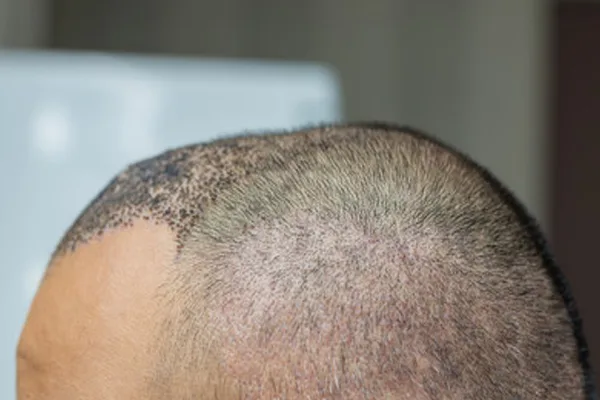
During the first few days after the surgery, your scalp may be swollen and tender. To reduce swelling, it’s important to keep your head elevated and avoid any activities that increase blood flow to the head, such as bending over or lifting heavy objects. Your surgeon may also recommend taking medication to reduce pain and inflammation.
First week
During the first week after the surgery, it’s normal to experience some redness, itching, and scabbing in the transplanted area. It’s important to avoid scratching or rubbing the transplanted area, as this can cause damage to the newly transplanted hair follicles and increase the risk of infection. Your surgeon will give you detailed instructions on how to care for the transplanted area, which may include cleaning the area with a gentle shampoo, avoiding direct sunlight, and avoiding any activities that could cause sweating or excessive heat to the scalp.
After the first week, the scabs will begin to fall off and the transplanted area may start to itch. It’s important to avoid scratching the area, as it can cause damage to the newly transplanted hair follicles. Your surgeon may recommend using a moisturizer or a mild steroid cream to relieve itching.
Second week
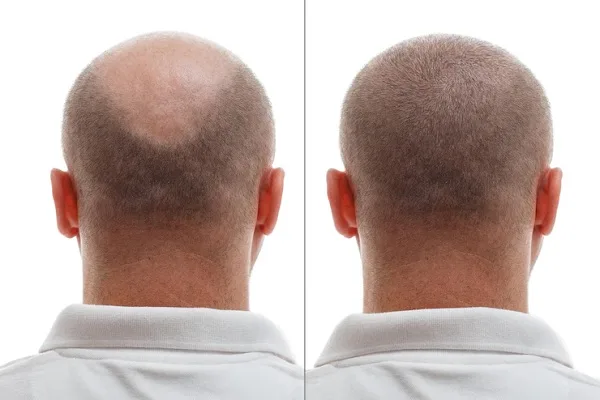
During the second week, the transplanted area will start to heal and the new hair will begin to grow. The transplanted hair may appear thin and wispy at first, but this is normal. It’s important to continue following the post-surgery care instructions provided by your surgeon to ensure optimal results.
Third week
In the third week and beyond, the transplanted area will continue to heal and the new hair will continue to grow. The transplanted hair may start to thicken, and it’s important to avoid any activities that could cause damage to the newly transplanted hair, such as excessive brushing, heat styling, or colouring.
As we said before, your surgeon will provide you with detailed instructions on how to care for your transplanted hair, which may include using a gentle shampoo, avoiding direct sunlight, and avoiding any activities that could cause sweating or excessive heat to the scalp.
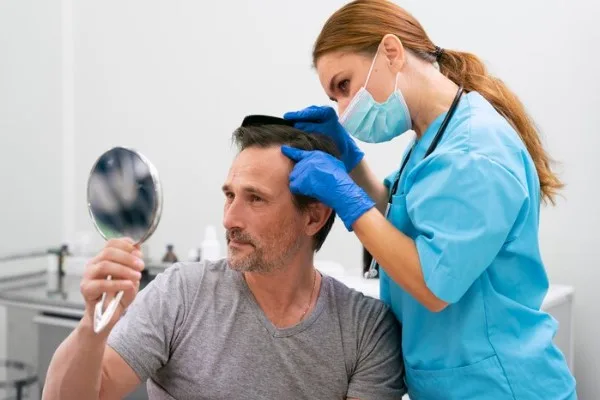
The healing process can vary from person to person, and some people may experience different symptoms or take longer to heal. It’s important to follow the post-surgery care instructions provided by your surgeon and to contact your surgeon if you have any concerns or experience any unexpected symptoms.
What happens after the healing process?
Once the healing process is complete, usually after 2-3 weeks, it is generally safe to start wearing a cap again. However, it is still important to be gentle with the transplanted hair and avoid any activities that could cause excessive friction or pressure on the hair follicles.
It’s also important to remember that while the transplanted hair will begin to grow in the recipient area, it will take several months for it to fully grow and mature. Therefore, it’s important to be patient and avoid any activities that could damage the newly transplanted hair.
Tips to take care of your transplanted hair
After undergoing a hair transplant procedure, your scalp requires special attention to protect the grafts. You can try using a cap after a hair transplant to minimize complications and encourage new hair growth. Following proper aftercare practices can significantly impact the success of your transplant. From managing immediate post-surgery needs to adopting long-term maintenance habits, these tips will guide you through every step of the process to achieve the best possible outcome.
Immediately after surgery
- Follow medical instructions: Adhere strictly to your surgeon’s post-operative guidelines. These instructions include specific directions on wound care and medication use. They are tailored to your needs and are critical for proper recovery.
- Avoid touching: Refrain from touching, scratching, or rubbing the transplanted area. This precaution helps prevent graft dislodgment, which is crucial for the success of your hair transplant.
- Protect the area: Keep your scalp shielded from direct sunlight to reduce irritation and damage. Avoid wearing hats or caps unless instructed, as they might interfere with healing.
- Elevate your head: Sleep with your head elevated during the first few nights. This position minimizes swelling by improving blood circulation around the scalp.
- Avoid excessive movement: Limit physical activity, especially strenuous movements. Such actions can increase sweating and pressure on the scalp, hindering the healing process.
Cleaning and maintenance
- Gentle washing: Begin washing your hair 48 to 72 hours post-surgery using a mild shampoo recommended by your surgeon. A gentle approach prevents irritation while keeping the scalp clean.
- Avoid rubbing: Pat the transplanted area dry with a soft towel instead of rubbing. Rubbing can damage the grafts and disrupt the healing process.
- Do not use hot water: Stick to lukewarm water when cleaning your scalp. Hot water may irritate the sensitive area and cause discomfort.
- Avoid harsh chemicals: Refrain from using styling products like gels, sprays, or dyes for at least a month. These products can irritate the scalp and delay healing.
Lifestyle adjustments
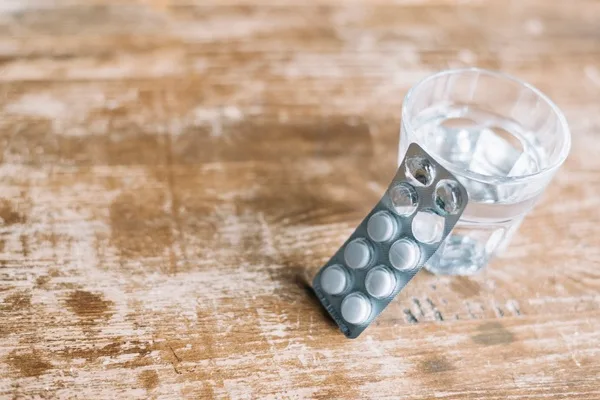
- Stay hydrated: Drink plenty of water to support the body’s natural healing processes. Proper hydration also nourishes hair follicles.
- Eat a balanced diet: Focus on foods rich in protein, vitamins, and iron, such as lean meats, leafy greens, and nuts. These nutrients foster healthy hair growth.
- Stop smoking and alcohol: Avoid smoking and drinking alcohol for at least two weeks. Both can impair healing and reduce the effectiveness of the transplant.
- Avoid heavy exercise: Steer clear of intense workouts or physical activities for 10 to 14 days. Strenuous exercises can lead to increased blood pressure and sweating, which may disrupt recovery.
Long-term care
- Use prescribed medications: Take any medications, such as minoxidil or finasteride, as directed by your doctor. These promote hair growth and scalp health.
- Scalp massage: With your doctor’s approval, start gentle scalp massages after full healing. This practice can improve blood circulation and stimulate hair growth.
- Regular follow-ups: Schedule routine check-ups with your surgeon to monitor progress and address concerns. Regular reviews are vital for long-term success.
- Hair products: Switch to sulfate-free shampoos and conditioners. These products are less harsh and maintain a healthy scalp environment.
Preventative measures
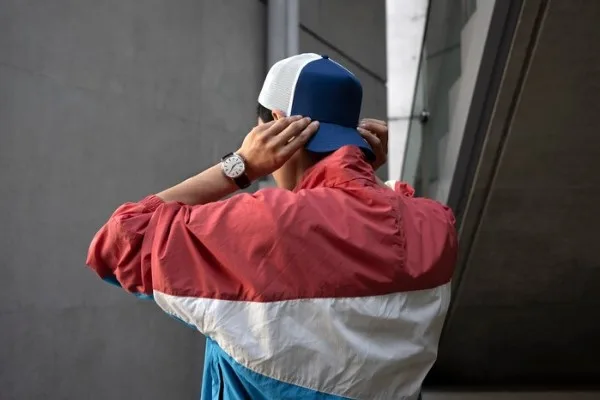
- Avoid sun exposure: Protect your scalp from UV rays by wearing a loose-fitting hat or applying sunscreen during extended outdoor periods.
- Be patient: Hair regrowth takes time. Results may take several months, so remain patient throughout the process.
- Maintain cleanliness: Keep your scalp clean and free of sweat or dirt to avoid infections and promote proper healing.
Handling regrowth
- Be gentle with new hair: Treat newly growing hair carefully. Avoid aggressive styling techniques that might damage delicate strands.
- Wait before colouring: Delay dyeing your hair until your doctor approves, usually six to eight weeks post-surgery, to ensure full healing.
- Haircuts: Choose scissors over clippers for the first six months when cutting your hair. This approach avoids irritating the scalp.
By following these detailed tips, you can ensure a successful recovery and long-lasting results from your hair transplant.
Faq’s
When can I start wearing a cap after a hair transplant?
It is generally recommended to avoid wearing a cap during the first 7–10 days after your procedure. This period is critical for the transplanted grafts to anchor securely. After this time, you can wear a loose-fitting cap that does not exert pressure or cause friction on the scalp. Always consult your surgeon for personalized advice.
Can wearing a cap affect the success of my hair transplant?
Yes, wearing a cap too soon or one that fits tightly can disrupt the healing process. It may dislodge grafts or cause unnecessary pressure on the transplanted area, potentially affecting the success of the procedure. To minimize risks, avoid headwear until your surgeon confirms it is safe.
What type of cap is safe to wear after a hair transplant?
If your surgeon approves, choose a loose-fitting, breathable cap made from soft materials. This type of cap minimizes friction and allows air circulation, preventing heat and moisture buildup that could delay healing or increase the risk of infection. Always prioritize comfort and follow post-operative care instructions.
Conclusion
Avoiding using a cap after a hair transplant and activities that exert pressure or create friction on the transplanted area helps protect the grafts during the critical healing period. Maintaining a clean, hydrated, and well-nourished scalp further supports recovery and fosters healthy hair regrowth. By adhering to your surgeon’s guidelines and adopting a gentle approach to hair and scalp care, you can maximize the outcome of your transplant. Patience and consistent follow-up care are key to achieving natural-looking, long-term results.
At Capilclinic, we’re trusted by thousands of patients in the UK and Europe as a leading Hair Transplant Clinic in Turkey and Spain, known for our expert doctors, advanced facilities, natural hairline results, and affordable all-inclusive packages. Reach out to our team today to start your transformation.