



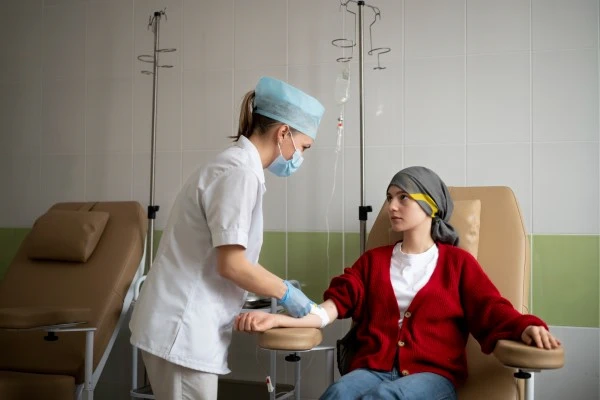
Hair loss is one of the distressing side effects of cancer treatment that can deeply affect patients emotionally. Unlike physical pain, fatigue, or digestive issues, hair loss may not cause physical discomfort, but it can have a profound impact on one’s self-image and perception as a cancer patient. The loss of hair serves as a tangible reminder of the life-altering changes that cancer brings, potentially triggering feelings of vulnerability, self-consciousness, and exposure. Furthermore, it may lead to emotional challenges, such as anger and depression, while also raising questions from others that may catch patients off guard.
You may also be interested: Scalp Massage and Its Benefits
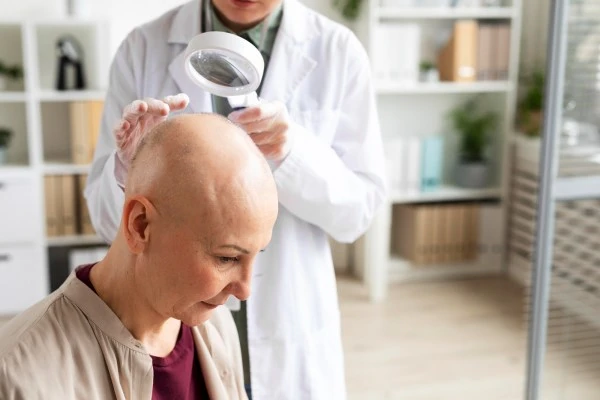
The Emotional Significance of Hair Loss
For some individuals facing a cancer diagnosis, the fear of losing their hair amplifies the sense of losing control over their lives. However, this experience can also present an opportunity to emotionally prepare for this aspect of their journey and take proactive measures to cope with it. It is crucial to grasp the reasons behind hair loss and learn how to manage it effectively, should it occur.
Understanding the Causes of Hair Loss in Cancer Patients
Chemotherapy, which targets rapidly dividing cancer cells, can inadvertently affect healthy cells in the body that also divide rapidly. These include cells lining the mouth, stomach, and hair follicles. When cancer treatments, particularly specific chemotherapy drugs, harm these healthy and fast-growing cells responsible for hair growth, it may result in alopecia. Additionally, radiation therapy aimed at a specific area of the body can also cause hair loss in that particular region.
Hair loss typically does not happen immediately after starting chemotherapy but tends to commence within two weeks of the initial treatment and progresses over the subsequent two months. In the case of radiation therapy, hair loss in the treated area generally begins up to three weeks after the first session. Hair loss may persist throughout the treatment period and for several weeks following its completion.
Areas Affected by Hair Loss
Hair loss can occur on the scalp as well as other parts of the body, such as the face (including eyelashes and eyebrows), arms, underarms, legs, and pubic region. By comprehending the emotional impact of hair loss and its causes in cancer patients, individuals can better prepare themselves for this aspect of their treatment journey. Additionally, they can explore strategies to cope with hair loss effectively, thus minimizing its psychological toll.
Experiencing Hair Loss during Cancer Care
Hair loss is not a universal occurrence among individuals undergoing cancer treatment. It is noteworthy that two patients using the same medication can have contrasting experiences in terms of hair loss side effects. While one patient may undergo hair loss, another may not be affected. The degree of hair loss greatly varies depending on several factors, including the specific treatment type, dosage, frequency, and administration method, as well as individual variations.
The Nature of Hair Loss
Hair loss, when it does occur, manifests in different ways. The hair may gradually thin out, becoming lackluster and dry. Alternatively, it can fall out gradually or abruptly, sometimes even in clumps. Prior to hair loss, the scalp may exhibit tenderness or itchiness.
Temporary Nature of Hair Loss
Fortunately, most cases of hair loss resulting from cancer treatment are temporary. Once the cancer treatment concludes, hair typically begins to regrow. Generally, hair starts to grow back within three months after chemotherapy ends and within three to six months after radiation therapy ends. In certain instances, hair regeneration may commence before the completion of the entire therapy. During the initial regrowth phase, it is common for hair to exhibit slight changes in color and texture.
Effectiveness of Baldness Drug Treatments
It is important to note that medications commonly used for treating baldness, such as minoxidil, do not consistently prove to be effective in reducing or preventing hair loss caused by cancer treatment.
Cooling Caps as a Potential Protective Measure
In select cases, cooling caps have been approved by the U.S. Food and Drug Administration (FDA) for certain patients. These caps may provide some protection to hair cells during chemotherapy. Cooling caps function by constricting cells, creating a barrier that hinders the penetration of chemotherapy drugs. Additionally, they reduce the activity within the hair follicles, making them less susceptible to the effects of chemotherapy drugs.
How To Deal With Cancer-Related Hair Loss
Dealing with cancer-related hair loss can be challenging, both emotionally and physically. Here are some strategies and tips to help you navigate this difficult situation:
Prepare yourself mentally: Understand that hair loss is a common side effect of many cancer treatments, such as chemotherapy. Accepting this as a temporary part of your journey can help you cope better.
Communicate with your healthcare team: Discuss your concerns about hair loss with your oncologist or healthcare provider. They can provide specific information about the treatments you will undergo and their potential impact on hair loss. Knowing what to expect can help you mentally prepare.
Consider scalp cooling (cold cap therapy): Scalp cooling is a technique that involves wearing a cold cap before, during, and after chemotherapy sessions. It helps constrict blood vessels in the scalp, reducing the amount of chemotherapy drugs that reach the hair follicles. This method may potentially minimize hair loss, but its effectiveness varies from person to person, and it may not be suitable for everyone.
Explore wig options: Wigs can be an excellent temporary solution for hair loss. Look for a reputable wig retailer or consult with a wig specialist who can help you find a wig that matches your desired style, color, and comfort level. Some organizations also provide free wigs for cancer patients.
Experiment with head coverings: Scarves, hats, turbans, and bandanas can be stylish alternatives to wigs. Explore different options that suit your personal style and preferences. There are many online resources and tutorials available that can guide you on different ways to tie scarves and create fashionable head coverings.
Take care of your scalp: During and after hair loss, it’s important to keep your scalp clean and moisturized. Use gentle, non-irritating products and avoid excessive heat from hair dryers or styling tools. Protect your scalp from the sun with sunscreen or by wearing a hat when outdoors.