




In this blog, we’ll explore the causes of a receding hairline, the possibility of regrowth, and the most effective treatments—both natural and medical—backed by science and clinical experience. If you’re considering restoring your hairline, this comprehensive guide will help you make informed choices.
What Causes a Receding Hairline?
A receding hairline can occur for several reasons, but the most common cause is androgenetic alopecia, also known as male or female pattern baldness. This is a hereditary condition influenced by hormones called androgens, particularly dihydrotestosterone (DHT), which can shrink hair follicles over time and reduce hair growth.
Other common contributors include:
- Ageing – Natural hair loss accelerates with age.
- Genetics – A family history of baldness increases the risk.
- Hormonal changes – Often seen during puberty, pregnancy, or menopause.
- Medical conditions – Thyroid disorders, autoimmune diseases, or scalp infections.
- Lifestyle factors – Poor nutrition, smoking, stress, and tight hairstyles can contribute.
It’s important to identify the underlying cause to determine the most suitable treatment approach.
Can You Regrow a Receding Hairline Naturally?
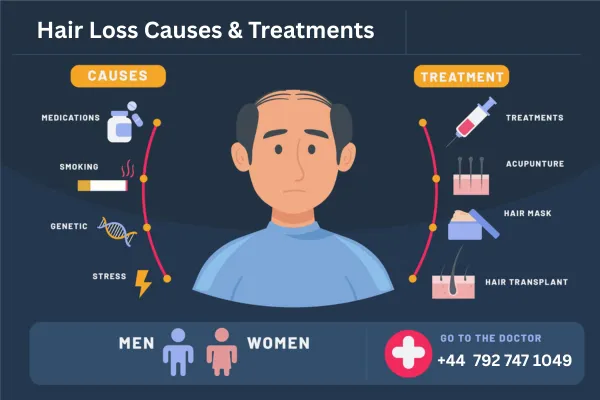
The idea of naturally reversing a receding hairline is attractive, and while natural methods can support hair health, they rarely restore a lost hairline entirely, especially if the cause is genetic or hormonal.
Some Natural Options That May Help:
- Diet and Nutrition
Consuming foods rich in iron, zinc, vitamin D, biotin, and omega-3 fatty acids can support hair strength and reduce shedding. However, dietary changes won’t revive follicles that have miniaturized or died. - Scalp Massage
Massaging the scalp may increase blood flow to the hair follicles and stimulate growth. Though benefits are anecdotal, it can be a good complement to other treatments. - Essential Oils
Some oils like peppermint oil, rosemary oil, and pumpkin seed oil have been studied for hair growth potential. While promising, they are not a guaranteed solution. - Stress Reduction
Chronic stress can trigger telogen effluvium, a form of temporary hair loss. Managing stress through meditation, exercise, or therapy can help preserve existing hair. - Avoiding Traction and Damage
Hairstyles that pull the hair tightly (like braids or ponytails) can lead to traction alopecia, which worsens recession. Avoiding them may slow further loss.
While these natural approaches may slow hair loss progression or improve scalp health, they cannot regrow a significantly receding hairline caused by genetics or age.
Medical Treatments: More Effective Options
If your hair loss is progressing or you want visible regrowth, medical intervention is typically necessary. The following are scientifically supported treatments that may help restore or at least preserve your hairline.
- Minoxidil (Rogaine)
Minoxidil is an over-the-counter topical medication that can stimulate hair follicles and prolong the growth phase of hair. It’s FDA-approved and most effective when used in the early stages of hairline recession.
- Works for both men and women
- Must be used consistently and indefinitely
- Results may take 3–6 months to appear
- Less effective for advanced recession
- Finasteride (Propecia)
This oral prescription drug blocks the conversion of testosterone into DHT, the hormone responsible for follicle shrinkage in male pattern baldness.
- Effective for halting or slowing recession
- May encourage some regrowth at the hairline
- Not recommended for women
- Side effects may include libido changes or hormonal shifts
- Low-Level Laser Therapy (LLLT)
LLLT uses light energy to stimulate cellular activity in hair follicles and increase blood circulation.
- Non-invasive and painless
- Can be used at home with FDA-cleared devices
- Works best in combination with other treatments
- Platelet-Rich Plasma (PRP) Therapy
PRP involves injecting your own platelets (rich in growth factors) into the scalp to stimulate follicle regeneration.
- Natural and safe
- Typically performed in multiple sessions
- Results vary based on the cause of hair loss
- Best for mild to moderate recession
- Hair Transplant Surgery
For those with more advanced hairline recession, a hair transplant remains the most reliable and permanent solution.
At Capilclinic in Istanbul, we offer cutting-edge techniques like FUE (Follicular Unit Extraction) and DHI (Direct Hair Implantation), which relocate healthy follicles from the donor area to the receding hairline.
- Provides natural-looking and permanent results
- Suitable for both men and women
- Recovery time is minimal
- Can be combined with PRP or stem cell therapy
Reversing a Receding Hairline with Hairline Restoration Treatments. If your hairline is receding due to male pattern baldness, ageing or other genetic conditions, your hair won’t regrow naturally.
This underscores the importance of seeking professional help early to assess the stage of your hair loss and decide on the best intervention strategy.
When to Seek Treatment?
It’s best to act as soon as you notice hairline recession, especially if there’s a family history of baldness. Early treatment is more likely to preserve existing hair and reduce the need for extensive surgery later on.
Delaying intervention may mean more follicles become dormant or die off, reducing the chances of natural or medical regrowth.
Capilclinic’s Approach to Hairline Restoration
At Capilclinic, a leading hair transplant clinic in Turkey, we provide a tailored treatment plan based on:
- Degree of hairline recession
- Donor hair availability
- Patient age and hair type
- Medical history and lifestyle
Our team of highly experienced hair transplant surgeons and regenerative medicine experts are committed to delivering natural-looking, long-term solutions using advanced technologies like:
- FUE and DHI Hair Transplants
- PRP and Stem Cell Therapies
- Post-operative support and hair maintenance programs
Located in Istanbul, we combine world-class medical care with affordable pricing, attracting patients from across Europe, the Middle East, and beyond.
FAQs: Receding Hairline Regrowth
- Can a receding hairline reverse on its own?
If caused by temporary factors like stress or poor diet, some improvement is possible. However, genetic hairline recession is unlikely to reverse naturally without medical intervention.
- Is Minoxidil effective for hairline regrowth?
Minoxidil can help slow down hairline recession and may promote mild regrowth, especially if used early. However, it is less effective on deeply receded areas compared to transplant surgery.
- What’s the best treatment for advanced hairline recession?
For more pronounced recession, hair transplant surgery is the most reliable solution. It offers permanent, natural results and can rebuild your original hairline.
- Can women regrow a receding hairline?
Yes, but it depends on the cause. Women with traction alopecia, hormonal imbalances, or early-stage androgenetic alopecia can benefit from PRP, Minoxidil, or transplants if medically cleared.
- How long do results take to show?
Natural remedies may show minimal results in 6–12 months, if any. Medications and PRP usually take 3–6 months, while transplanted hair starts to grow noticeably after 4–6 months, with full results in 9–12 months.
Final Thoughts
A receding hairline can be disheartening, but you’re not powerless. While natural methods may help preserve existing hair, reversing significant recession typically requires medical or surgical treatment.
By seeking expert evaluation early and exploring your options—from medications to hair transplant surgery—you can reclaim your confidence and restore a youthful hairline.
At Capilclinic, we’re here to guide you every step of the way.
At Capilclinic, we’re trusted by thousands of patients in the UK and Europe as a leading Hair Transplant Clinic in Turkey and Spain, known for our expert doctors, advanced facilities, natural hairline results, and affordable all-inclusive packages. Reach out to our team today to start your transformation.