



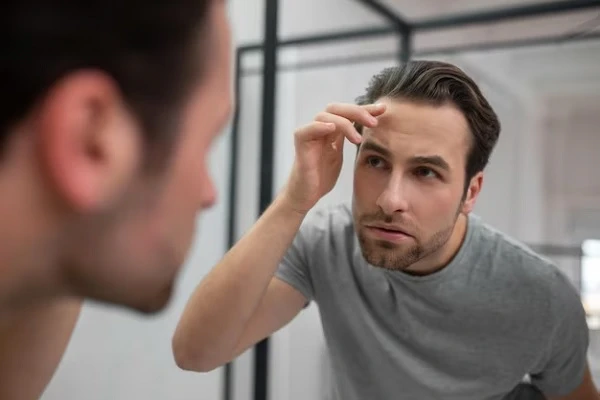
Alopecia, commonly referred to as baldness, is a medical condition that encompasses more than just its physical manifestation. Encompassing notable psychological and social dimensions in an individual’s life. Baldness, a condition characterized by the partial or complete lack of hair. Is a widespread occurrence that affects a significant portion of the global population. The incidence of this phenomenon exhibits variability across various age groups and genders. In this article we will talk about how the baldness affect a person’s life?
The matter under consideration extends beyond the mere loss of hair or the decline of hair follicles. It involves aspects related to self-esteem, confidence, and overall well-being. Acquiring a thorough comprehension of the precise definition of alopecia. Its prevalent prevalence, and the significant ramifications it poses on an individual’s existence is of paramount significance in order to proficiently address the intricate assortment of challenges it encompasses and to discern feasible approaches for enhancing the overall welfare of individuals who encounter it.
Maybe you are interested: Is it possible to know if hair transplantation will work?
The Psychological Impact of Baldness
The condition of baldness, while predominantly manifesting as a physical phenomenon. Has a significant psychological impact on individuals, affecting several aspects like as their self-esteem. Perception of their own body, social interactions, and mental well-being.
Self-esteem and self-confidence issues
The loss of one’s hair can have a devastating effect on one’s sense of self-worth and confidence. Many cultures use hair as a symbol of energy, youth, and beauty. As a result, those who are becoming bald may struggle with low self-esteem and feelings of inadequacy. This can make it harder for them to speak up in social and professional contexts, reducing their options in life.
Body image and self-perception
Baldness has been linked to low self-esteem and a skewed impression of one’s physical appearance. Because of their hair loss, some people may view themselves as less attractive or appealing, even if this view does not reflect reality. A pessimistic outlook on oneself can have far-reaching consequences, affecting one’s relationships and contentment with life as a whole.
Social and dating challenges
When someone experiences baldness, it can sometimes affect how they see themselves and feel about their body. It may cause them to have a skewed perception of themselves and feel negatively about their appearance. Sometimes, individuals may feel that they are not as attractive or desirable because they are experiencing hair loss, even if this belief doesn’t necessarily match up with how others see them. When we have a negative view of ourselves, it can really affect different parts of our lives. It can impact our relationships and how satisfied we feel with life in general.
Mental health implications
Baldness can have a significant impact on a person’s mental well-being, leading to issues like depression and anxiety. Focusing too much on how we look and constantly criticizing ourselves can really take a toll on our mental health. It’s really important to acknowledge and deal with these mental health effects because they can have a big impact on a person’s overall well-being.
The Social Implications of Baldness
In addition to its psychological effects, being bald has some social effects that have to do with stereotypes. Job dynamics, and relationships with other people.
- Stereotypes and societal expectations: People who are bald often have to deal with stereotypes and demands from society. Assumptions about age, masculinity, and even ability can be part of these stereotypes. Because of these stereotypes, people who are bald may be judged or named unfairly. Which can make them feel misunderstood or left out.
- Workplace discrimination and career advancement: People who are bald may face discrimination at work and slows their job growth. Research has shown that some companies, whether they know it or not, like to hire people with full heads of hair because they think it means the person is more confident or capable. This kind of bias can make it harder for people to advance in their careers and keep income gaps from closing.
- Impact on social interactions and relationships: A person’s baldness can affect how other people see and treat them. Some people may not want to date bald people because of their appearance. People who are bald might be treated differently in social settings or hear jokes or hurtful comments, which can lower their self-esteem and make them less likely to join in on social activities.Top of Form
Coping Strategies for Dealing with Baldness
Dealing with baldness can be hard, but there are many ways to deal with it and ways to approach it that can help people get through it with confidence and strength.
Hair restoration treatments:
- Medications: Several drugs, like minoxidil and finasteride, have been known to help stop hair loss and, in some cases, make hair grow back. People who are just starting to lose their hair may find that these medicines help. Before starting any new drug, it’s important to talk to a doctor or nurse about its suitability and possible side effects.
- Hair transplant surgery: As a long-term solution for baldness, hair transplants are becoming more and more common. During a hair transplant, hair follicles from one part of the body are moved to the places where hair is starting to thin or fall out. This type of surgery can give results that look normal and give a big boost to self-esteem.
- Topical treatments: Topical treatments, like shampoos and foams with certain active ingredients, can help improve hair growth and thickness. Even though they may not completely stop baldness, they can help other methods work better and help keep hair that is already there.
Embracing baldness and self-acceptance:
Accepting your baldness and working on self-acceptance is a strong way to deal with it. This means realizing that baldness is a normal part of life and doesn’t say anything about a person’s worth or beauty. Adopting a positive view of oneself and focusing on other parts of one’s identity, like attitude and accomplishments, can make a person feel more confident and happy.
Support groups and therapy:
People who are living with the emotional and mental effects of baldness can benefit greatly from joining support groups or going to therapy. Sharing your experiences and worries with others who are going through similar things can give you a sense of community and make you feel less alone. Also, therapy with a trained mental health professional can help people find ways to deal with stress, deal with negative thoughts about themselves, and deal with any mental health problems caused by stress related to baldness.
Conclusion
Baldness has far-reaching consequences, impacting a person’s psychological, physiological, and socioemotional health. A person’s feeling of value can be damaged, they can become preoccupied with their appearance, they can experience social difficulties, and they can even develop mental health issues as a result. Bald people might still feel confident and strong.
Helping people accept themselves and seek support through various coping mechanisms might give them the strength to make it through this difficult time. The cultural stigma of baldness also needs to be overcome. To make the world a better place for everyone, where individuals are respected for who they are and not what they look like, we need to battle against assumptions and biases. The journey to acceptance and understanding of baldness is not just an individual one, but a societal one as well.