



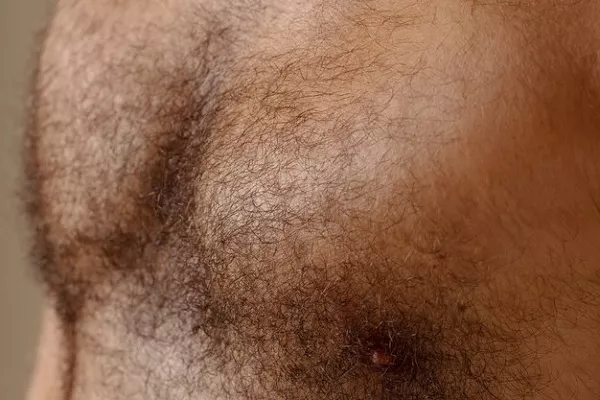
A body hair transplant uses the Follicular Unit Extraction (FUE) method to restore hair by transferring follicles from areas like the chest, back, legs, or beard to the scalp. However, this procedure may not work for everyone. Hair type, texture, and colour significantly impact how well the transplanted hair integrates with existing scalp hair.
This innovative technique continues to evolve, making it essential to research and select a skilled surgeon experienced in the procedure. When performed correctly, a body hair transplant offers a natural-looking hairline and improved hair density. With proper planning and execution, this method effectively restores confidence and enhances appearance.
What is the body hair transplant method?

The FUE (Follicular Unit Extraction) technique is an ideal option for utilizing body hair as a donor region for hair transplantation. However, it’s important to be aware that there are expectations related to this technique and it’s crucial to have realistic expectations about the outcome.
The Body Hair Transplant (BHT) procedure involves extracting hair follicles from different body parts, such as the chest, stomach, arms, legs or beard, and transplanting them to the scalp. This technique is mainly used to increase density or “fill in” areas where the hair on the scalp is insufficient to cover baldness.
While considering BHT, it’s important to keep in mind certain factors such as hair thickness and texture, hair quality, hair per follicle, donor region density and growth rate. These factors will determine how well the transplanted hair will blend in with the existing hair and how natural the final outcome will look.
What is the difference between body and scalp hair?
Understanding the difference between body and scalp hair is essential for those considering hair restoration procedures like a body hair transplant. While both types of hair share similarities in structure, they differ significantly in growth patterns, texture, and purpose. These distinctions influence how well body hair can integrate with scalp hair during transplant procedures.
Texture
The texture of scalp hair and body hair is one of the most notable differences between the two. Scalp hair is generally finer, with an average diameter of 0.1mm to 0.3mm. This is due to the fact that scalp hair is exposed to elements, including sun, wind, and pollution, which can cause damage to the hair and make it more delicate.
In contrast, body hair is typically coarser, with an average diameter of 0.3mm to 0.5mm. This is because body hair is not exposed to the same level of environmental factors as scalp hair and therefore does not need to be as delicate.
Growth rate
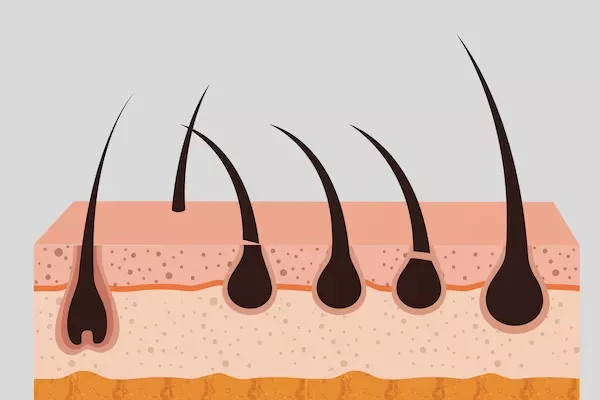
Another key difference between body hair and scalp hair is their growth rate. Scalp hair typically grows at an average rate of 0.5 inches per month, which is slower than body hair, which grows at an average rate of 0.9 inches per month. This is because the growth cycle of scalp hair is longer, with an anagen phase that can last between 2-7 years, while the growth cycle of body hair is shorter, with an anagen phase that typically lasts between 3-12 months.
Density
The density of hair is another key difference between body hair and scalp hair. Scalp hair is generally more densely packed than body hair. The scalp has an average of 100,000 to 150,000 hair follicles per square inch, while other parts of the body have an average of 15,000 to 20,000 hair follicles per square inch. This is because the scalp has a higher number of hair follicles per square inch than other parts of the body, which allows it to produce more hair.
Length
The length of scalp hair and body hair is another key difference. Scalp hair can grow much longer than body hair. It can reach lengths of several feet, while body hair typically grows between 1 inch and 6 inches. This happens because scalp hair has a longer growth cycle, allowing it to grow longer. Additionally, genetics also influence hair length. Some individuals are genetically predisposed to grow longer hair.
Purpose
The purpose of scalp hair and body hair differs significantly. Scalp hair primarily protects the scalp from the sun and cold. In contrast, body hair’s main function is to provide warmth and insulation. Scalp hair is thicker and coarser, creating a barrier against the elements. On the other hand, body hair is thinner and softer. It helps regulate body temperature by trapping heat close to the skin.
Curl pattern
The curl pattern of scalp hair and body hair is also different. Scalp hair can have a variety of curl patterns, from straight to curly, whereas body hair is usually straight. Scalp hair experiences more environmental factors, such as humidity and temperature. These factors can significantly affect its curl pattern. Genetics also play a major role in determining the curl pattern of hair. The combination of environmental influences and genetics causes curl patterns to vary among individuals.
Colour

The colour of scalp hair and body hair can also vary. Scalp hair can be different shades of brown, black, blonde, red, etc. Body hair is usually darker because it is exposed to less sunlight. The amount and type of melanin in the hair shaft determine the color of hair. Scalp hair is exposed to more sunlight, which causes the melanin to break down and gives the hair a lighter color.
Who is the ideal candidate for a Body Hair Transplant to the head?
A body hair transplant uses hair follicles taken from other parts of the body. They can be extracted from the chest, back, or beard. Doctors transplant them to areas where scalp hair is thinning or missing. However, not everyone is a suitable candidate for this procedure. Several factors determine who will benefit most from a body hair transplant.
Good quality body hair
For a body hair transplant to succeed, the candidate must have healthy and dense body hair. This is essential because hair from areas like the chest, back, or beard will be transplanted to the scalp. If the body hair is sparse or weak, it may not provide the desired results. The texture and growth patterns of the body hair should also match the scalp hair as closely as possible.
Stable hair loss
Ideal candidates should have stable hair loss, meaning their hair loss should not be progressing rapidly. Body hair transplants provide long-term solutions, but if the underlying cause of hair loss continues, further thinning may occur. Candidates in the later stages of hair loss, with stable conditions, are more likely to achieve successful, lasting results.
Insufficient scalp hair
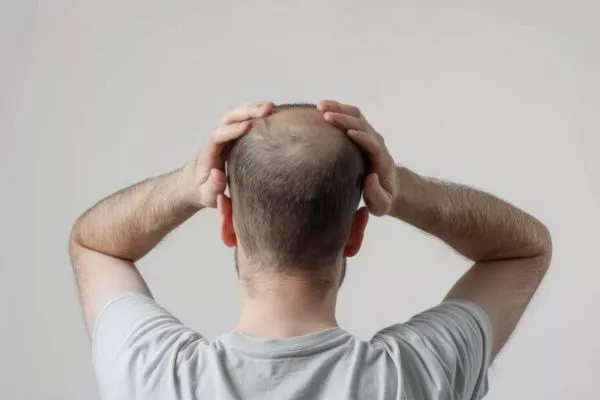
The primary reason individuals seek body hair transplants is the lack of adequate hair on the scalp. When traditional hair transplant methods are not an option, such as in cases of extensive baldness or poor scalp hair quality, body hair can be used as an alternative. This procedure is especially beneficial for people with limited donor hair on the scalp.
Realistic expectations
Candidates must also have realistic expectations about the outcome. While body hair can improve hair density, it may not fully replicate the characteristics of scalp hair. Body hair differs in texture, thickness, and growth pattern, so candidates must understand these differences. Realistic expectations lead to higher satisfaction with the results.
Good health
Good health is important for candidates. Existing medical conditions, such as uncontrolled diabetes or skin disorders, can interfere with healing or hair growth. A healthy immune system and the ability to recover are crucial for the success of a body hair transplant. Discussing any underlying health concerns with the specialist beforehand is important.
Desire for natural results
Body hair transplants offer a natural-looking solution to thinning or balding areas. However, candidates must commit to the necessary aftercare and maintenance for optimal results. The hair needs time to adapt to its new location, and continuous care ensures proper growth. Candidates who follow post-transplant care instructions and maintain a clear vision of their desired outcome are more likely to achieve satisfaction with the results.
A thorough consultation with a qualified hair restoration specialist is essential to determine if a body hair transplant is a right option for you. By evaluating these factors, you can ensure the procedure aligns with your goals and expectations.
Can women perform a body hair transplant?
Women can undergo a body hair transplant, but there are some important considerations. Women who experience hair loss, particularly in areas like the scalp, can benefit from body hair transplants if their scalp hair is insufficient for a standard hair transplant. The procedure involves taking hair follicles from areas of the body such as the chest, back, or legs and transplanting them to the scalp.
However, the ideal candidate for a body hair transplant is typically someone with stable hair loss and sufficient body hair. Women may also need to consider factors such as the quality, texture, and density of their body hair, as it should ideally match the existing scalp hair for natural results.
REMEMBER: While the procedure can be successful for women, it is crucial to consult with a specialist to determine if it is the best solution, as it all depends on each person.
Faq’s
How long does a body hair transplant take?
The procedure typically lasts between 4 to 8 hours, depending on the number of grafts needed and the complexity of the transplant. Multiple sessions may be required for larger areas.
Does the body hair transplant cause scarring?
Some scarring is inevitable, but the scarring from a body hair transplant is typically minimal and well-hidden. The small incisions used for graft extraction and placement usually heal with minimal visible scarring, especially when performed by an experienced surgeon.
How long does it take to see results?
It can take several months to see noticeable results from a body hair transplant. Hair typically starts to grow around 3 to 4 months after the procedure, with full results visible after about 12 to 18 months.
Conclusion
A body hair transplant offers a promising solution for individuals with insufficient scalp hair by using body hair as an alternative donor source. While this procedure provides excellent results for some, its success depends on factors such as the quality of body hair, the patient’s overall health, and the surgeon’s experience. Having realistic expectations and understanding the differences between body and scalp hair is crucial. With proper care, a body hair transplant can enhance hair density and restore confidence, delivering a long-lasting, natural-looking outcome for suitable candidates. Always consult a qualified specialist to determine if this procedure is right for you.
At Capilclinic, we’re trusted by thousands of patients in the UK and Europe as a leading Hair Transplant Clinic in Turkey and Spain, known for our expert doctors, advanced facilities, natural hairline results, and affordable all-inclusive packages. Reach out to our team today to start your transformation.