



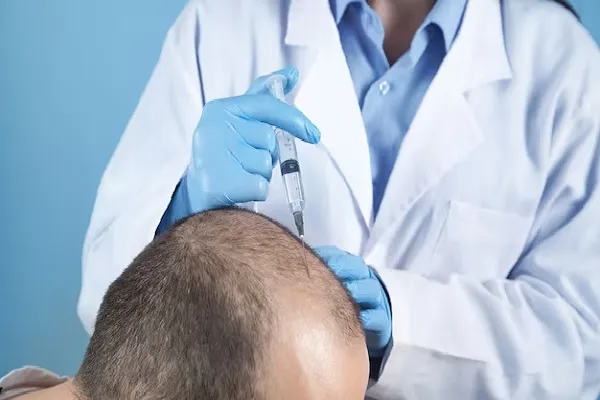
What we should consider before hair transplant

Before undergoing a hair transplant, it’s essential to consider several key factors to ensure the procedure is safe, effective, and delivers the results you expect. Here’s what you should think about:
1- The cause of the hair loss
Understanding the underlying reason for your hair loss is crucial. Hair transplants are most effective for permanent hair loss, such as male or female pattern baldness. If your hair loss is temporary or caused by stress, medication, or illness, a transplant may not be the right solution.
2- Stability of hair loss
Your hair loss should be stable before considering a transplant. If you’re still losing hair rapidly, it’s better to wait, as transplanting during an active phase of loss can lead to unnatural results and the need for additional procedures.
3- Donor hair availability
A successful transplant requires healthy hair follicles from donor areas, usually the back and sides of your scalp. If these areas are too thin, you may not have enough viable grafts for a natural-looking outcome.
4- Expectations and goals
It’s important to have realistic expectations. A hair transplant can improve appearance and confidence, but it won’t restore your hair to its original density or stop future loss. A consultation with a specialist can help define what’s achievable.
5- Your general health
You should be in good overall health. Conditions such as uncontrolled diabetes, blood clotting disorders, or autoimmune diseases can affect healing and outcomes. Always inform your doctor of your medical history.
6- Choice of clinic and surgeon
Not all clinics offer the same level of experience or technology. Research thoroughly, check credentials, and look at before-and-after photos. Choosing a skilled, reputable surgeon is key to achieving natural results.
7- Cost and aftercare
Hair transplant cost can be high and often is not covered by insurance. Also, consider the commitment to aftercare, which includes time off work, healing, and following post-surgery instructions closely for optimal results.
How is the “before hair transplant” phase?
Before hair transplant procedures, proper preparation plays a vital role in achieving desirable and long-lasting results. This essential phase involves detailed planning, medical guidance, and healthy lifestyle adjustments. Patients should understand every step of the process to feel confident and informed. Let’s explore the most important elements you must consider to ensure the best possible outcome.
1- Consultation and open communication with your surgeon
The initial step before hair transplant surgery is scheduling a comprehensive consultation with your chosen specialist. This appointment allows you to explain your goals, discuss your expectations, and voice any medical concerns. It’s vital to be honest about your health history, including medications or chronic conditions. This transparency helps the surgeon determine if you’re a suitable candidate and ensures a safer, more effective procedure. How does a hair transplant work is a common question at this stage, and your surgeon will explain the method, duration, and expected recovery clearly.
2- Medication and alcohol guidelines

Your surgeon will provide specific guidelines regarding the use of medication and alcohol in the days and weeks before surgery. Avoiding substances that thin the blood is essential to minimise bleeding and enhance healing. A detailed list will help you know what to stop taking and when. Avoiding blood-thinning agents before surgery helps reduce complications during and after the procedure, improving overall results and ensuring a smoother recovery experience.
3- Smoking cessation
Smoking must be avoided before a hair transplant, as it restricts blood flow and reduces oxygen delivery to the scalp. This can delay healing and affect graft survival. Ideally, you should quit smoking several weeks in advance to maximise the chances of successful growth. If stopping completely is difficult, ask your surgeon for cessation support. They can suggest effective strategies or refer you to professional resources that can help with the process.
4- Proper nutrition and hydration
Supporting your body’s healing capacity through a nutritious diet is crucial before hair transplant treatment. Focus on meals rich in vitamins A, C, E, and B-complex, as well as iron and zinc. These nutrients promote tissue repair and healthy hair growth. Drink plenty of water daily to stay hydrated, which aids your immune response and speeds recovery. Making these adjustments well in advance helps your body prepare for surgery and lays the foundation for healthier, long-term hair restoration.
5- Arranging transportation
Supporting your body’s healing capacity through a nutritious diet is essential before hair transplant treatment and can significantly impact your recovery process. Focus on meals rich in vitamins A, C, E, and B-complex, as well as minerals like iron and zinc. These nutrients promote tissue regeneration, strengthen the immune system, and encourage healthy hair regrowth after the procedure. Drinking enough water and eating well help your body repair faster and enhance graft survival, which leads to better long-term results.
What happens on the day of the hair transplant?
Before a hair transplant procedures begin, preparing properly is essential to ensure optimal outcomes and minimise risks.
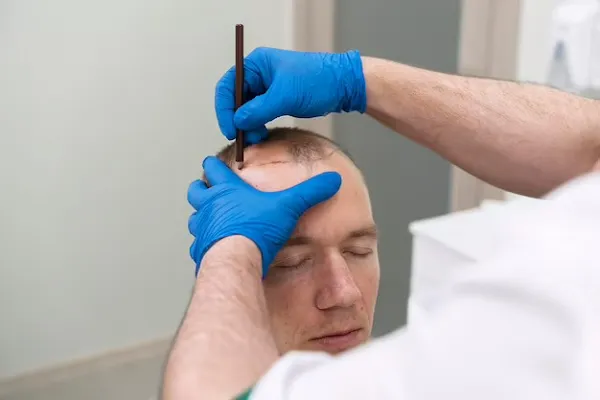
- Arrival: You must arrive at the clinic with clean, unstyled hair, free from gels, sprays, or any hair products. This helps the surgeon assess the scalp clearly and perform the extraction and implantation phases without obstruction. Patients are usually advised to wash their hair thoroughly the night before or the morning of the procedure.
- Breakfast: Having a light breakfast is usually permitted, but it is crucial to avoid any caffeinated drinks, such as coffee or energy drinks, as they can increase blood pressure and affect anaesthesia.
- Clothing: The procedure can last several hours, so wearing loose, comfortable clothing is highly recommended. Shirts that button up or zip are preferable to avoid disturbing the treated area when changing clothes afterwards.
- Medication: On arrival, the medical team will reconfirm all vital details, including any pre-existing medical conditions or medications. If you are taking any necessary medications, inform the clinical staff immediately, as this can affect the planning or outcome of the surgery. Adjustments might be made to ensure your safety and the best results possible. Clinics that offer treatments such as a 5000 grafts hair transplant Turkey generally include a comprehensive pre-op consultation to clarify these matters.
Once all criteria are reviewed and considered satisfactory, the surgeon will begin the procedure. Afterward, you will receive detailed aftercare guidelines to ensure proper healing. These typically include instructions on sleeping position, avoiding physical activity, and how to wash your hair in the days following the transplant. Adhering to these steps is key to achieving the best long-term outcome from your hair restoration.
What are the benefits of a hair transplant?
Hair transplant procedures offer a multifaceted array of advantages for individuals grappling with hair loss or thinning. Below, we delve into a more detailed exploration of the numerous benefits of hair transplantation:
1- Permanent and long-lasting

Hair transplant procedures offer a permanent and natural-looking solution to hair loss, especially for those considering a hair transplant. Once the follicles are successfully implanted, they typically continue growing throughout life. This means results are both enduring and visually consistent over the years.
2- Natural and seamless look
Before a hair transplant, many individuals may struggle with visible thinning, especially in the crown or frontal hairline. However, since the transplanted hair is your own, it blends perfectly with your existing strands. The outcome is a seamless, undetectable restoration that mimics the natural growth pattern in colour and texture.
3- Enhanced confidence
Hair loss can seriously affect one’s self-image. With a restored, fuller head of hair, patients often report significant improvements in self-esteem and confidence. This transformation frequently leads to better personal and professional interactions, enhancing one’s overall quality of life.
4- Low maintenance
Daily upkeep is another major benefit. Transplanted hair requires no special products or maintenance routines. You can wash, style, and cut it like normal, eliminating the need for ongoing treatments or cover-up solutions, which adds convenience to your lifestyle.
5- Cost-effective over time
Although the initial cost of a transplant might seem high, it becomes economical in the long run. Regular purchases of topical products, oral medications, or salon treatments often exceed the one-time cost of surgery over several years.
6- Quick recovery
Recovery is relatively fast and manageable. Most people can resume their daily activities within just a few days. Minor discomfort, if any, subsides quickly with minimal aftercare required.
7- Tailored to your needs
Every procedure is personalised to fit your needs. Surgeons plan the design according to your facial structure and aesthetic goals, ensuring balanced, natural-looking results that reflect your expectations.
8- Minimal risk and side effects
Hair transplant is generally a safe and minimally invasive procedure with few side effects. Complications are rare, and the risk of adverse reactions is low, making it a reliable choice for hair restoration.
9- Restoration of natural hairline

A well-executed FUE hair transplant also helps restore your natural hairline. Surgeons carefully construct the frontal hairline to harmonise with your facial contours. The effect is a more youthful, rejuvenated appearance.
Conclusion
Before hair transplant, it’s essential to take the time to understand the full scope of the procedure, including both the medical and personal aspects. Preparing mentally and physically can make a big difference in your overall experience. From setting realistic expectations to choosing the right clinic, every step you take beforehand matters.
Avoid rushing into the process. Instead, focus on gathering as much information as possible about the method, the recovery period, and the potential results. Consult with qualified professionals who specialise in hair restoration and don’t hesitate to ask questions. The more informed you are, the better the outcome is likely to be.
Your lifestyle habits also play a role in preparing for surgery. Maintaining a healthy diet, avoiding smoking, and following your surgeon’s pre-op instructions can help your scalp heal more efficiently and improve the chances of a successful transplant. Every effort you make now contributes to the long-term success of your hair restoration.
Before hair transplant, remember that preparation is just as important as the procedure itself. If you’re considering taking the next step toward restoring your hair, we invite you to visit Capilclinic to learn more about how our team can help you achieve natural and lasting results. Take control of your confidence and explore your options with professionals who care.
At Capilclinic, we’re trusted by thousands of patients in the UK and Europe as a leading Hair Transplant Clinic in Turkey and Spain, known for our expert doctors, advanced facilities, natural hairline results, and affordable all-inclusive packages. Reach out to our team today to start your transformation.