



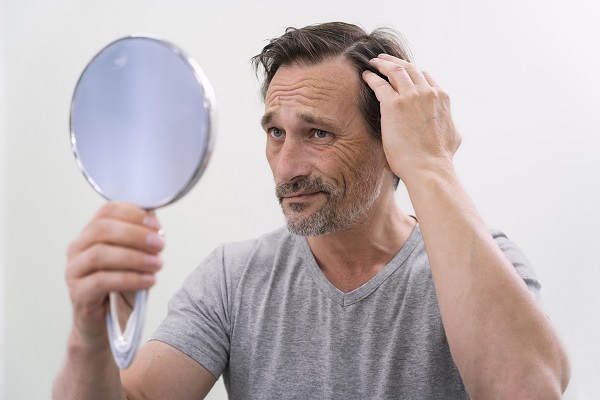
The first thing to remember is that hair falls out daily. The typical average amount of hair that falls out, regardless of whether the person is male or female and how old they are, is between one hundred and one hundred and fifty hair follicles per person daily. In this article, we will discuss at what age the hair usually falls out. External factors, such as a deficiency in particular nutrients, the onset of a stressful phase, or the consumption of specific medications, can be a cause of age hair fall out.
The same happens when initiating intense medical treatment, like chemotherapy or even some seasonal changes, which could also cause hair loss. Despite this, it is undeniable that the hereditary element is the primary determinant of hair loss. Specifically, suppose you are experiencing hair loss due to a genetic inheritance that causes alopecia. In that case, you must be aware that it is possible to restore all of the hair you have lost through various surgical options to avoid age hair fallout.
Is baldness a sign of age hair fallout?
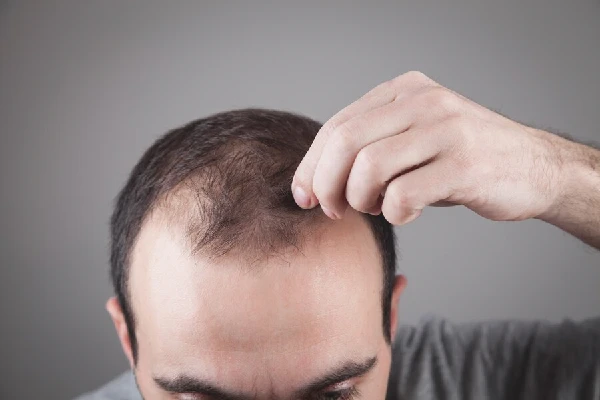
It is a common misconception that baldness is a sign that we are entering old age; however, this is not true. Baldness does not appear after our youth and has nothing to do with age hair loss. The truth is somewhat different from what is stated. This may start to manifest itself even throughout the adolescent years, especially after they have passed.
Because of this, most specialists emphasize the need to take immediate action to resolve the issue in order to forestall the progression of baldness. This would make it significantly more challenging—and, if we may be so bold as to say it, exceedingly pricey—to regain the same appearance as before the hair loss. This blog post will detail the causes of hair loss, the steps of hair growth, and the average age when people start to lose their hair.
Understanding the Hair Growth Cycle: Why age hair fall out?
It’s important to understand the hair growth cycle before talking about when hair loss usually starts. There are three main parts to the hair growth cycle:
- Anagen Phase: This is the busy growth phase, which can last from two to seven years. The hair can grow longer if this time lasts longer.
- Catagen Phase: This phase of change lasts for two weeks. From this point on, the hair shaft gets smaller and the hair stops getting blood.
- Telogen Phase: This is the phase of rest, and it lasts two to four months. At the end of this phase, the hair falls out, and a new one starts to grow in its place.
Factors Influencing Hair Loss
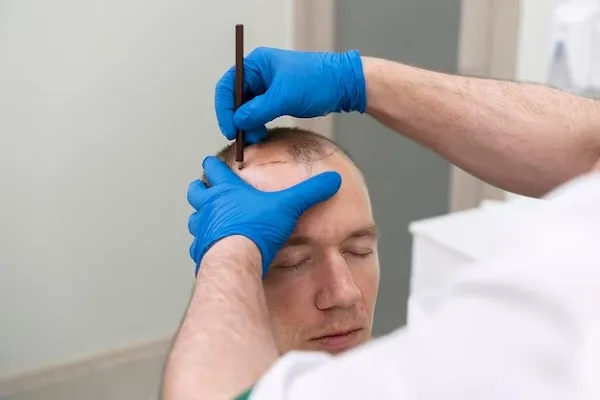
Hair loss can be caused by many different circumstances. It is frequently a combination of these factors that results in conspicuous thinning or balding. Notable among these elements are:
- Genetics: When it comes to determining the beginning of hair loss, genetics is frequently the most critical factor to consider. If either of your parents or grandparents went through the process of experiencing hair loss at a young age, you may be more likely to go through the same thing yourself.
- Changes in Hormones: Hormonal shifts, such as those that take place during puberty, pregnancy, and menopause, are known to be possible contributors to hair loss. The hormonal balance can also be disrupted by disorders such as polycystic ovarian syndrome (PCOS), which can result in hair loss.
- Medical Conditions: Both autoimmune illnesses, thyroid disorders, and chemotherapy are examples of medical conditions and therapies that have the potential to cause hair loss at an early age.
- Deficiencies in Nutrition: Inadequate nutrition, particularly deficiencies in iron, zinc, and vitamin D, can have an effect on the health of your hair.
- Lifestyle Factors: Lifestyle variables that might lead to hair loss include stress, not getting enough sleep, and smoking.
What Is the Average Age of Hair Loss?
There is no way to know for sure what age hair falls out. People often start losing their hair when they are teenagers, but it might not happen until they retire. Most people begin to notice signs when they are in their 30s or 40s. On the other hand, some people lose a lot of hair later in life.
When Does Hair Loss Typically Begin?
Different people start losing their hair at very different ages. But some general trends can be seen based on gender and family history:
- Men: Male-pattern baldness, also called androgenetic alopecia, is the most common reason men lose their hair. Most people start to lose their hair in their late teens or early 20s. The hairline recedes, and the head gets thinner.
- Women: Female-pattern baldness can begin in the 40s or 50s. Women don’t usually have a receding forehead; instead, their hair thins out all over their scalp.
- Hair Loss That Starts Early: Some people may lose their hair in their late teens or early twenties because of their genes or other reasons. It’s essential to keep an eye out for any changes you notice and talk to a doctor if you’re worried.
Preventing and Managing Hair Loss
Individuals can encourage healthy hair and maybe slow down the process of hair loss even though some elements that lead to hair loss are beyond their control.
- Maintain a Balanced Diet: A balanced diet ensures that you obtain enough nutrients, including vitamins and minerals, for the health of your hair.
- Manage Stress: Exercise, meditation, and yoga are all examples of stress-relieving activities that you should incorporate into your daily routine to manage stress effectively.
- Avoid Harsh Hairstyles and Treatments: Steer clear of harsh hairstyles and treatments. Reduce the number of times you wear your hair in tight styles, and steer clear of high heat and chemical solutions.
- Regular Check-up: Maintaining a regular checkup schedule allows you to keep track of your overall health and swiftly address any medical concerns that may arise.
Treatment Options for Age Hair Loss
It is essential to thoroughly understand the possible causes and the beginning stages of hair loss; nevertheless, it is equally essential to investigate the existing treatment choices. Some measures may help slow down the process of hair loss and stimulate regeneration. Still, reversing all types of hair loss with these interventions is impossible. These are some of the more prevalent approaches:
1. Medications
- Minoxidil: It is a topical solution licensed for use by both men and women. It is administered directly to the scalp and treats hair loss. In addition to promoting hair renewal, it may help stimulate hair follicles.
- Finasteride: Finasteride is a drug available only with a doctor’s prescription. It helps inhibit the activity of dihydrotestosterone (DHT), which is associated with hair loss. It is a drug that is designed exclusively for males.
2. Hair Growth Shampoos and Treatments
Various shampoos and topical treatments containing active components are available over the counter. These ingredients include ketoconazole, caffeine, and biotin. They are said to promote healthy hair development and overall hair health.
3. Low-Level Laser Therapy (LLLT)
To stimulate hair follicles and induce growth, low-level laser therapy (LLLT) devices. They might be laser combs and caps that use light-emitting diodes (LEDs) or low-level lasers. This non-invasive treatment approach can also be utilized in clinical settings and at home.
4. Platelet-Rich Plasma (PRP) Therapy
Platelet-rich plasma (PRP) involves extracting a tiny amount of blood from the patient. This is processed to concentrate the platelets and then inject the platelet-rich plasma into the scalp. According to the findings of several research studies, platelet-rich plasma (PRP) may stimulate hair follicles. Which in turn may enhance hair regeneration.
5. Hair transplantation when hair falls out due to aging
Hair transplantation is a surgical procedure that is often considered for individuals who have experienced significant hair loss. This treatment involves the removal of hair follicles from one area of the scalp, typically the back or sides, and their subsequent transplantation to areas of the scalp with hair loss or little to no hair. This process aims to restore natural hair growth in the affected areas and can be a suitable option for individuals seeking to address more extensive hair loss.
6. Lifestyle Changes
Adopting a healthy lifestyle can benefit hair health. Maintaining a healthy diet, engaging in regular physical activity, and practicing effective stress management can improve general well-being, which is reflected in hair health.
Conclusion
Many people worry about hair loss. Knowing when it usually starts can help you stop it early and take care of it properly. Your genes play a big part in how your hair looks, but your lifestyle choices and general health also play a role. People can keep their hair healthy and vibrant throughout their lives by being mindful of hair care and getting professional help when needed.