



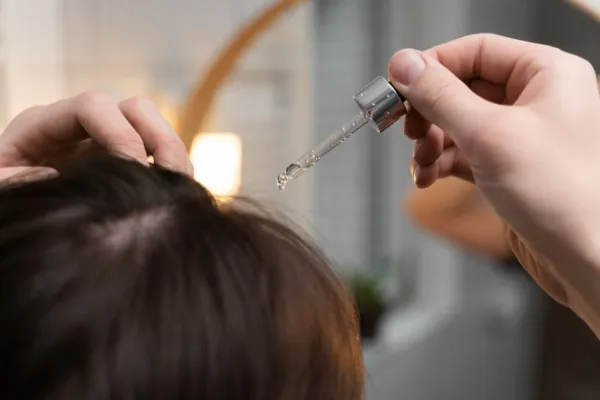
Short answer: sometimes—if you pick the right formula and your goals are realistic. Hair growth serums can make hair look thicker, support scalp comfort, and complement a medical plan, but they don’t replace proven medicines for genetic hair loss. If shedding or thinning is significant, start with a proper diagnosis, then use a serum as a supporting player—not the star.
What serums can (and can’t) do
What serums can do:
- Improve appearance and feel (more body/shine) and support a healthier scalp environment.
- Offer adjunct benefits for mild thinning, especially if flaking/irritation is part of the picture.
What serums can’t do:
- Create new follicles or reverse established bald patches.
- Replace evidence-backed treatments for androgenetic (pattern) hair loss, like topical minoxidil. Serums are add-ons; medical therapies drive most of the measurable regrowth.
Ingredient-by-ingredient: what’s worth your money?
- Rosemary oil (Rosmarinus officinalis)
A small clinical trial suggests rosemary oil may help mild pattern loss over months. It can still irritate sensitive scalps—patch test first. - Caffeine
Can penetrate the scalp; emerging data points to possible support for density/diameter. Results vary by formula and concentration. - Peptides (e.g., copper peptides)
Early lab signals are interesting; human data is limited. Consider as a supportive ingredient. - Saw palmetto (topical)
May modestly influence androgen pathways; treat as an adjunct, not a standalone fix. - Biotin
Helps only if you’re actually deficient (uncommon). Test before supplementing.
If you’re already exploring medical options or even surgical planning with a clinic (for example, a hair transplant clinic in Turkey), think of a serum as a cosmetic/lifestyle add-on alongside the core treatment plan—not a replacement.
Before you buy: a quick checklist
- Match the product to your goal
- Mild thinning/appearance boost? Look for caffeine/peptide/rosemary blends and cosmetic thickeners.
- Flakes/irritation? Add an anti-dandruff shampoo to calm the scalp so serums and treatments can do their job.
- Scan the label for actives & honesty
Clear actives (e.g., caffeine %, rosemary oil, peptides) beat vague “clinical strength” claims. - Patch test
Especially if the formula includes essential oils or fragrances. - Set a realistic timeline
Cosmetic lift can be immediate; visible improvement in appearance usually needs 8–12 weeks of steady use. - Know when to see a professional
Sudden heavy shedding, patchy loss, or thinning that persists beyond a few months deserves a medical work-up. If you’re also weighing surgical options, an experienced hair transplant surgeon in Turkey (or your local specialist) can explain how serums fit into long-term planning.
How to use a serum for best results
- Consistency > intensity: Apply as directed to a clean, dry scalp; massage gently for 60–90 seconds.
- Layer smartly: If you use minoxidil, apply it first, let it dry, then add your cosmetic serum (unless your clinician says otherwise).
- Keep the scalp clear: Rotate a mild clarifying/anti-dandruff shampoo 1–3× weekly if you use stylers or have buildup.
- Protect the routine: Prioritize sleep, manage stress, and eat protein/iron-rich meals—these support the hair cycle.
When serums aren’t enough
- Pattern hair loss (AGA): Start with minoxidil; eligible men may discuss finasteride with a clinician. Serums can ride along for comfort/cosmetic support.
- Dandruff/seborrheic dermatitis: Use medicated shampoos (e.g., ketoconazole, zinc pyrithione) to reduce inflammation that can amplify shedding.
- Alopecia areata or scarring forms: Needs targeted medical care—don’t delay.
If you’re researching surgical routes after medical stabilization, it’s smart to read Hair Transplant Turkey Reviews with a critical eye. Look for notes on diagnosis quality, aftercare, and long-term follow-up, not just graft numbers—this helps you judge real patient experience.
FAQs
Will a serum regrow hair in bald areas?
No. Serums can enhance appearance and scalp comfort but won’t create new follicles. Use them to complement, not replace, medical therapy.
Which ingredient should I prioritize?
For cosmetic support: caffeine, rosemary oil, or peptide blends are reasonable. For true regrowth in pattern loss, minoxidil remains first-line.
Are “natural” serums safer?
Not automatically. Essential oils can cause dermatitis—always patch test.
How long should I trial a serum?
Give it 8–12 weeks of consistent use. If there’s no visible benefit by 3–4 months—and thinning continues—see a dermatologist for a diagnosis and plan.
Bottom line
Hair growth serums can be worth it for appearance gains and scalp comfort—especially in mild thinning—when you choose clear, well-formulated products and use them consistently. They work best as supporting players alongside proven medical treatments and healthy daily habits. If your hair loss is significant or persistent, get a diagnosis first; then decide whether a serum adds value to your personalized plan.
At Capilclinic, we’re trusted by thousands of patients in the UK and Europe as a leading Hair Transplant Clinic in Turkey and Spain, known for our expert doctors, advanced facilities, natural hairline results, and affordable all-inclusive packages. Reach out to our team today to start your transformation.