



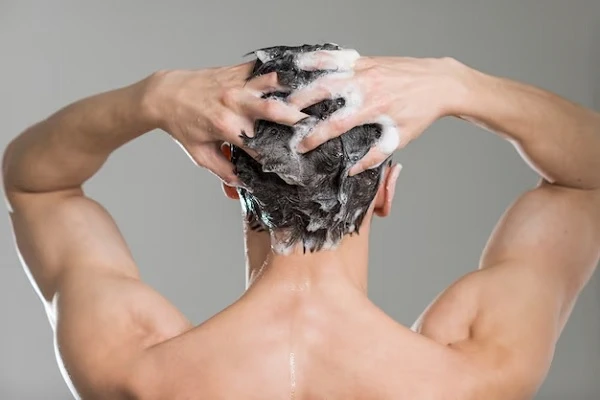
In the quest to combat the challenge of baldness, a new wave of solutions has emerged in the form of anti-hair loss shampoos. These specialized hair care products are designed to address the common concern of hair loss, offering a potential remedy for individuals grappling with thinning hair or balding. This article delves into the world of anti-hair loss shampoos, exploring their ingredients, mechanisms, and effectiveness in the ongoing battle against baldness.
From promising formulations to user experiences, we unravel the key aspects of these shampoos, providing insights for those seeking effective strategies to promote hair retention and restore a fuller head of hair. Join us as we navigate the landscape of anti-hair loss shampoos, exploring their role in the pursuit of healthier, more resilient locks.
What Is Hair Loss?
Hair loss, scientifically known as alopecia, is a distressing condition that results in the shedding of hair from the scalp or other parts of the body. This can happen slowly over a period of time or suddenly, and can be caused by genetic predisposition, hormonal fluctuations, underlying medical conditions, or specific regenerative medicine in hair treatments. It’s important to note that hair loss can affect individuals of any gender, and its impact can significantly vary.
Male-pattern baldness, female-pattern baldness, and alopecia areata are among the most common types of hair loss, each with its own distinct set of underlying causes. The psychological impact of hair loss should not be underestimated, as it can profoundly affect an individual’s appearance and self-esteem, prompting anxiety and concerns for many people.
Factors Behind Hair Loss
Baldness, also known as alopecia, is a common concern for many individuals and can be attributed to various factors. While genetics play a significant role, there are several other causes that contribute to hair loss. Understanding the specific causes of baldness is crucial for developing an effective strategy to address it. Here are the key factors to consider:
- Genetic Predisposition: One of the primary causes of baldness is a genetic predisposition. If there is a family history of baldness, individuals may inherit genes that make them more susceptible to hair loss.
- Hormonal Changes: Hormonal fluctuations, such as those occurring during puberty, pregnancy, and menopause, can impact hair growth. An imbalance in hormones, particularly the androgens, can lead to hair thinning and loss.
- Medical Conditions: Certain medical conditions, such as alopecia areata, thyroid disorders, and autoimmune diseases, can contribute to hair loss. Treating the underlying health issue is essential to address the associated hair loss.
- Age: Aging is a natural factor contributing to baldness. As individuals age, hair follicles may shrink, leading to finer and shorter hair. Eventually, this process can result in partial or complete baldness.
- Poor Nutrition: Inadequate nutrition, specifically a deficiency in essential vitamins and minerals, can impact hair health. A lack of nutrients like iron, zinc, and biotin may contribute to hair loss.3
Other factors that contribute to hair loss
- Stress: Physical or emotional stress can trigger a type of hair loss known as telogen effluvium. Stressful events can push a large number of hair follicles into a resting phase, causing hair to shed.
- Certain Medications: Some medications, including chemotherapy drugs, blood thinners, and certain antidepressants, may have hair loss as a side effect. Consultation with a healthcare professional can help manage this aspect of treatment.
- Tight Hairstyles and Hair Treatments: Excessive styling, tight hairstyles (such as tight ponytails or braids), and certain hair treatments like frequent use of hot styling tools can contribute to hair breakage and loss.
To effectively address baldness, consulting with a healthcare professional or a dermatologist can provide personalized insights and guidance on the most suitable interventions based on the underlying factors contributing to hair loss.
Effectiveness Of Anti-Hair Loss Shampoos In Combating Baldness
Addressing baldness involves considering various solutions, and one promising avenue is the use of anti-hair loss shampoos. These specialized shampoos are designed to tackle the factors contributing to hair loss and promote healthier hair growth.
Unlike regular shampoos, anti-hair loss shampoos often contain key ingredients known for their potential to combat baldness. These may include compounds like biotin, ketoconazole, caffeine, and other vitamins and minerals essential for hair health. The combination of these elements aims to strengthen hair follicles, stimulate blood circulation in the scalp, and provide necessary nutrients.
One way anti-hair loss shampoos work is by inhibiting the production of dihydrotestosterone (DHT), a hormone associated with hair loss. DHT can weaken hair follicles, leading to the gradual thinning of hair and eventual baldness. Anti-hair loss shampoos with DHT-blocking ingredients strive to counteract this process, preserving existing hair and encouraging new growth.
Regular use of these shampoos is key to experiencing their potential benefits. Consistency in washing the hair with anti-hair loss shampoos allows the active ingredients to penetrate the scalp and work on addressing the underlying causes of baldness. It’s important to note that results may vary among individuals, and patience is required to observe any noticeable improvements.
What Makes Hair Loss Shampoos Stand Out?
Hair loss shampoos distinguish themselves through meticulously crafted formulations tailored to combat the multifaceted causes of hair loss. These shampoos incorporate specific ingredients to address various aspects of the issue.
- DHT Blockers: Recognizing the role of dihydrotestosterone (DHT) in hair loss, these shampoos often include compounds that inhibit DHT production. This is particularly relevant for individuals experiencing androgenetic alopecia.
- Hair Growth Stimulators: Ingredients such as minoxidil, caffeine, or ketoconazole are commonly found in these shampoos. They work to stimulate hair follicles, fostering regrowth and preventing further loss. These ingredients are known for their ability to promote hair growth by increasing blood circulation to the scalp and blocking the production of dihydrotestosterone (DHT), a hormone that can contribute to hair loss.
- Nutrient-Rich Formulas: Essential vitamins, minerals, and nourishing oils are often integrated into shampoos to create an enriched environment for optimal hair growth and overall scalp health. These ingredients work in harmony to nourish the hair follicles, promote circulation, and support the scalp’s natural balance. By incorporating such beneficial elements, these shampoos strive to provide a comprehensive solution for maintaining healthy, vibrant hair and a nourished scalp.
- Anti-Inflammatory Agents: Some formulations incorporate anti-inflammatory ingredients to soothe the scalp. This addresses inflammation, a factor that can contribute to hair loss. By calming the scalp, these carefully selected anti-inflammatory ingredients work synergistically to make hair loss shampoos effective in promoting healthy hair growth and combatting the underlying causes of hair loss, such as follicle damage and poor scalp health. Additionally, these ingredients help create an optimal environment for new hair to thrive and strengthen existing hair.
Each component plays a crucial role in maintaining a healthy scalp environment, nourishing the hair follicles, and preventing further hair loss. The combination of DHT blockers, hair growth stimulators, nutrient-rich formulas, and anti-inflammatory agents ensures a comprehensive approach to addressing hair loss, making these shampoos a valuable addition to a holistic hair care routine.
Other key ingredients for anti-loss-hair shampoos
- Moisturizing Properties: Maintaining proper hydration is crucial for a healthy scalp. Hair loss shampoos often contain a variety of moisturizing agents such as oils, vitamins, and humectants to prevent dryness, ensuring that the scalp remains properly moisturized and conducive to healthy hair growth. By nourishing the scalp with these moisturizing ingredients, these shampoos help create an optimal environment for the hair follicles, supporting overall hair health and minimizing hair loss.
- pH-Balanced Formulas: Maintaining the natural pH balance of the scalp is a priority in these shampoos. This balance contributes to a healthy environment for hair by helping to retain moisture, prevent dryness, and promote overall scalp health. Additionally, by supporting the scalp’s natural pH balance, these shampoos aid in promoting hair growth and preventing damage, leaving your hair looking and feeling its best.
- Natural Extracts: Many products geared towards promoting hair health and reducing hair loss often include extracts from botanical sources. These natural extracts offer potential benefits for enhancing overall hair health. Nourishing the scalp and supporting hair growth are some of the benefits. Their use in various hair care products is based on their traditional and historical significance. They continue to be popular ingredients in modern hair care formulations.
- Paraben and Sulfate-Free: Many specialized shampoos consciously avoid harsh chemicals like parabens, sulfates, and silicones. These shampoos aim to provide a gentle and non-irritating product. They are friendly to the scalp and hair. The avoidance of harsh chemicals helps to minimize potential irritations and dryness. This makes these shampoos suitable for individuals with sensitive skin. It also caters to those looking for a milder cleansing option.
It is crucial to recognize that individual responses to these shampoos vary. Seeking guidance from a dermatologist or healthcare professional can provide personalized recommendations. These are based on the specific causes of hair loss. Furthermore, consistent and prolonged use is typically necessary. This is to observe noticeable and sustainable results.
Conclusion
Anti-hair loss shampoos show promise in combating baldness. They address various factors contributing to hair loss and promote healthier hair growth. These specialized shampoos often contain key ingredients such as biotin. They also contain ketoconazole, caffeine, and other vital nutrients to strengthen hair follicles. They inhibit the production of dihydrotestosterone (DHT), a hormone associated with hair loss. In conclusion, it’s essential to consult with healthcare professionals or dermatologists. They can help you develop personalized strategies based on the underlying causes of hair loss.