




Hair transplantation involves a minimal intervention, yet it’s crucial to numb the scalp due to its significant operational area. Therefore, the use of anesthesia in hair transplant procedures ensures a comfortable and safe experience. Many patients harbor concerns about potential pain and discomfort during the surgery. However, they can be confident that healthcare professionals prioritize making the entire process stress-free and comfortable.
Types of Anesthesia
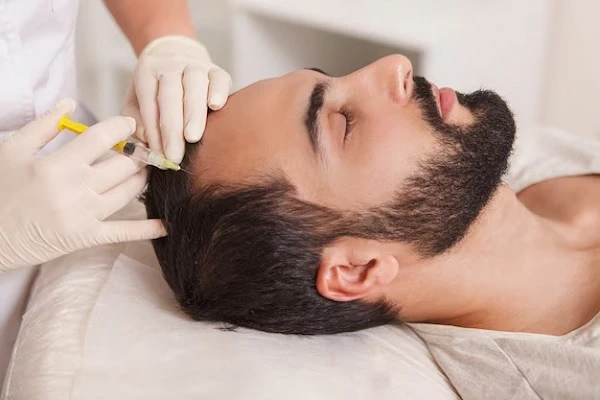
Anesthesia comes in three varieties: regional, local, and general. In the context of hair transplants, a mild sedative accompanies local anesthesia to keep the patient at ease throughout the procedure. General anesthesia induces various effects, including sedation, loss of consciousness, analgesia, muscle relaxation, amnesia, and suspension of reflexes.
General anesthesia allows the patient to sleep during the procedure, with no recollection afterward. To mitigate pain during surgery, two measures are employed: postoperative and intraoperative measures. These measures aim to enhance the overall experience and reduce discomfort associated with hair transplantation.
Intraoperative Measures
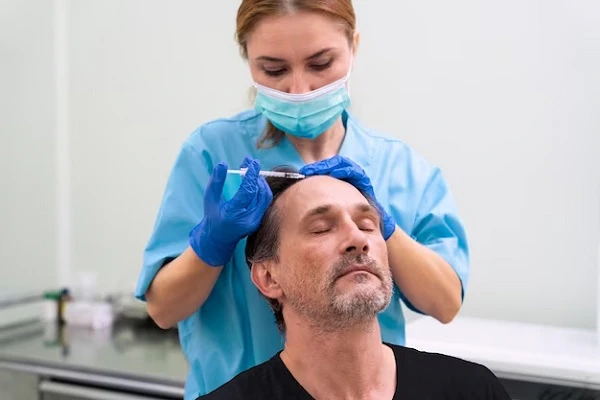
To manage apprehension and anxiety, a subtle level of sedation is employed, allowing patients to retain awareness of their environment. Conversely, deep sedation suppresses responses to external stimuli, with exceptions for recurring, distressing sensations, potentially leaving the patient partially cognizant of their surroundings.
Within the surgical context, pain is controlled through the administration of a local anesthetic. The implementation of the time-scent technique involves the infusion of a meticulously diluted anesthetic, resulting in a localized firmness and swelling. This unique characteristic facilitates the proficient implantation of grafts into the tissue. The use of tumescent anesthesia extends its utility. Enabling the comprehensive treatment of larger skin areas without exposing patients to significant toxicity risks.
The inclusion of vasoconstrictors in the process serves to constrict blood vessels, effectively minimizing the risk of bleeding during transplantation. Beyond this, they play a pivotal role in reducing pain and inflammation in the targeted area.
The judicious use of mild sedation not only sustains patient relaxation but also induces a state of drowsiness, effectively compressing the perceived timeframe of the surgery. Given the prolonged duration of the procedure, this aspect is of paramount importance to enhance the overall patient experience.
Preparing for Anesthesia
Proper preparation for anesthesia is crucial for ensuring a smooth and successful medical procedure. Here’s a detailed guide to help you get ready:
- Medication Disclosure: It is vital to inform your doctor about all medications you are taking, including vitamins and herbal supplements. This comprehensive disclosure ensures that the anesthesia team can make informed decisions based on your current health condition and potential interactions with anesthesia drugs.
- Smoking and Alcohol Cessation: To optimize your body’s response to anesthesia, it is advisable to cease smoking and abstain from alcohol consumption for at least two weeks before the scheduled procedure. Smoking can impair lung function, affecting the delivery of oxygen during anesthesia, while alcohol may interact with anesthesia drugs, leading to unpredictable reactions.
- Prioritize a Restful Night: Adequate rest is essential for overall well-being and plays a significant role in the success of anesthesia. Strive for a good night’s sleep before the procedure to ensure your body is well-rested and in the best possible condition for the upcoming medical intervention.
- Fasting Guidelines: Follow the fasting guidelines provided by your healthcare team. Typically, it is recommended not to eat or drink anything for at least eight hours before the scheduled procedure. This fasting period helps prevent complications such as vomiting during anesthesia, reducing the risk of aspiration.
Post-Surgery Protocols
Following a surgical procedure, a crucial phase involves the implementation of specific measures to ensure optimal recovery. Patients are typically prescribed a regimen of orally administered anti-inflammatory medications for a designated period, aimed at mitigating postoperative discomfort. Additionally, in select cases, a course of antibiotics may be prescribed to preemptively address any potential susceptibility to infections that could arise in the aftermath of the surgery.
Navigating Anesthetic Ramifications in Hair Transplants
The use of local anesthesia in the context of hair transplants introduces a spectrum of potential reactions, spanning toxic, psychogenic, or allergic responses. It is noteworthy, however, that adverse bodily reactions to anesthesia are infrequently observed in the broader clinical landscape.
These reactions are frequently intertwined with heightened anxiety and preoperative apprehension experienced by patients. To assuage these concerns, mild sedatives are often integrated into the pre-surgical protocol. Notably, advancements in technology have ushered in the era of the comfort-in system, revolutionizing the administration of regular anesthesia. Departing from conventional needle-based methods, this innovative system employs a high-pressure punch for the seamless delivery of anesthesia, symbolizing a noteworthy stride in enhancing patient comfort and procedural efficiency.
Introducing an advanced high-pressure pump, meticulously designed with a needle depth of a mere 0.15mm, leaving behind no discernible mark post-administration. This innovative solution emerges as a beacon of comfort in the realm of anesthesia. Particularly catering to individuals harboring a fear of needles and injections. The administration process unfolds with impressive efficiency, concluding within a few fleeting seconds. Thereby minimizing discomfort to patients who undergo only a subtle pressure sensation.
The brilliance of the comfort-in system lies in its ability to expedite the dispersion of anesthesia. The utilization of high pressure not only enhances the speed of distribution but also ensures a uniform spread across the targeted surface area. An added benefit surfaces as this system proves to be markedly less painful than its conventional counterpart, the standard syringe.
Other Important Things to Note About Hair Transplantation
Delving into the nuances of hair transplantation, it’s noteworthy that patients remain conscious throughout the procedure, albeit possibly experiencing a mild sense of dizziness. This effect stems from the administration of mild sedatives shortly before the surgery commences. A deliberate choice is made to abstain from deploying deep sedatives or resorting to general anesthesia in the context of hair transplants. This strategic decision ensures that patients do not lose consciousness during the procedure. Underscoring a commitment to both safety and procedural awareness.
Hair transplant procedures refrain from employing general anesthesia due to the relatively mild nature of the intervention on the skin. Instead, the utilization of local anesthesia proves effective in managing the procedure without exposing the patient to potential risks associated with general anesthesia. The decision to avoid general anesthesia is rooted in the desire to prioritize patient safety. Maintaining a conscious and responsive state during surgery allows patients to be fully aware of the surrounding pressure and tugging sensations, contributing to an overall better surgical experience.
In the postoperative phase, patients may encounter a temporary loss of sensation in the scalp area and experience itchiness. These effects, while potentially disconcerting, are deemed normal and indicate the ongoing healing process of the incisions. Notably, when compared to the Follicular Unit Transplantation (FUT) method, patients seldom report significant post-surgery pain. Instead, a manageable level of discomfort may persist for approximately a week, facilitating a smoother and less burdensome recovery process.
Risks and Side Effects Of Anesthesia
Below is an in-depth exploration of the risks and side effects associated with various types of anesthesia is crucial for informed decision-making in medical procedures.
- Local Anesthesia: Local anesthesia, widely employed for its targeted effects, may present common side effects at the injection site. Patients might experience bruising, swelling, and redness. Which are generally transient but should be monitored for a comprehensive understanding of the procedure’s aftermath.
- Sedation: In the realm of sedation, a commonly employed technique to induce a relaxed state during medical interventions, patients should be aware of potential post-procedural effects. Sedation may lead to sensations of drowsiness, dizziness, and nausea. A nuanced comprehension of these effects ensures that individuals are mentally prepared for the post-sedation phase.
- General Anesthesia: Opting for general anesthesia, which induces a state of unconsciousness, involves considerations of more serious risks. Potential complications encompass infection, allergic reactions, and, albeit rare, the extreme consequence of death. A detailed discussion with the medical team is imperative to weigh the benefits against these rare but severe risks associated with general anesthesia.
- Nerve Block Anesthesia: Delving into nerve block anesthesia, employed to numb specific regions for surgical interventions, brings attention to its distinctive set of side effects. Numbness, tingling, and weakness in the targeted area are among the most prevalent. Patients should be adequately informed about these effects to manage expectations. And ensure a comprehensive understanding of the potential outcomes associated with nerve block anesthesia. Regular monitoring and communication with healthcare providers contribute to a more comprehensive risk assessment for this type of anesthesia.
In Conclusion
Hair transplantation stands out as a secure surgical procedure, ensuring minimal invasion and the option for local anesthesia. While some individuals may choose unconsciousness during the process to alleviate anxiety and avoid a distorted sense of time. Opting for general anesthesia is discouraged due to allergy risks and potential adverse reactions. Instead, a gentle sedative is recommended to foster patient comfort. Allowing them to stay awake and engaged with their surroundings and the medical team.
Moreover, the comfort-in system presents an alternative for administering anesthesia, particularly suitable for those apprehensive about pain and needles. This technique minimizes discomfort compared to traditional syringe methods and ensures the even spread of anesthesia across the scalp area.