



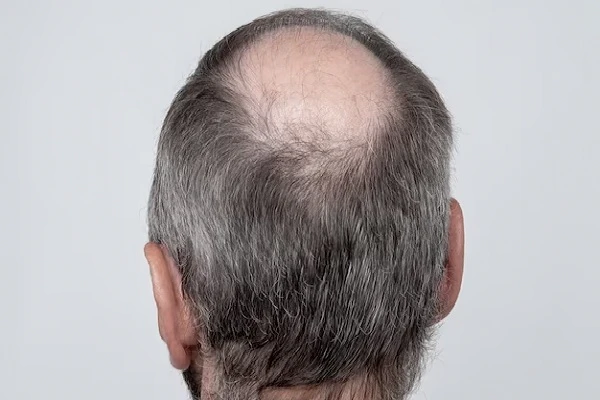
Androgenic alopecia, often known as male and female pattern baldness, affects countless people all over the world and can have a significant psychological impact on them. In Istanbul, too, a sizable number of men and women are dealing with the aftereffects of this ailment.
This alopecia is a form of baldness that primarily affects men and is characterised by thinning hair and eventual hair loss. Women’s hair loss typically takes the form of a more dispersed thinning than men’s, who typically experience the characteristic “receding hairline” and balding crown.
The purpose of this blog is to provide information about Androgenic Alopecia, including its causes and effects, how it affects men and women differently, how to identify it, what treatments are available, and how to take care of your hair. By the end, we aim to have equipped readers with the understanding and resources they need to deal with the difficulties associated with Androgenic Alopecia.
The Science behind Androgenic Alopecia
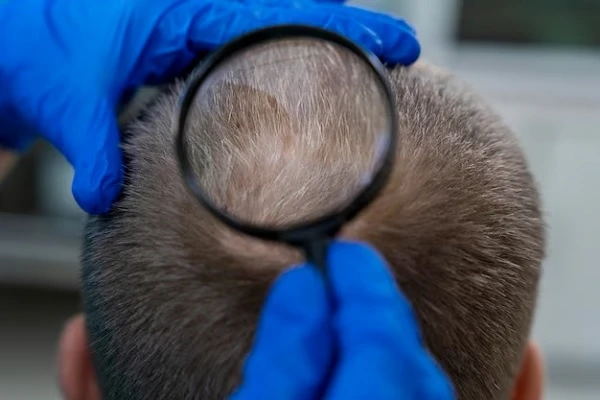
Millions of people all over the world suffer from androgenic alopecia, often known as male or female pattern baldness. Genetic, hormonal, and metabolic variables all play a role in its development.
Role of Genetics
The occurrence of androgenic alopecia is significantly influenced by genetic factors. There is a notable tendency for this trait to be hereditary, indicating a significant genetic inclination. Certain genes, such as those associated with the androgen receptor, have been identified as playing a role in the development of the illness. Individuals who possess a hereditary predisposition to alopecia are at a heightened risk of developing the condition.
Hormonal Factors
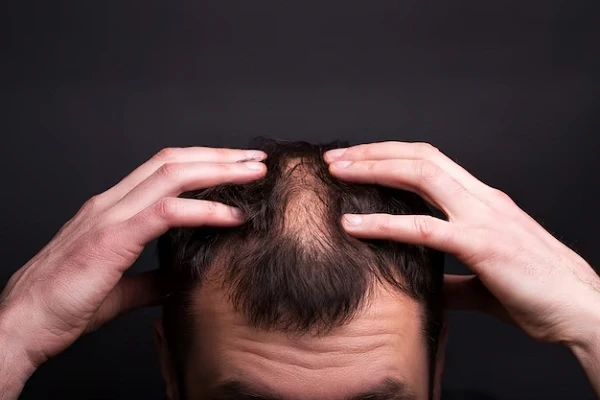
Hormonal imbalances are another important factor that contributes. It is possible for both men and women to make androgens, with testosterone being one of the most well-known examples. It is thought that the hormone dihydrotestosterone (DHT) plays a role in the growth of androgenic alopecia. The process by which 5-alpha-reductase changes testosterone into dihydrotestosterone (DHT) has been seen to make hair follicles smaller gradually.
DHT and Hair Follicle Sensitivity
People who have androgenic alopecia have hair cells that react badly to DHT. When DHT links to receptors in hair follicles, they get smaller and hairs grow out that are thinner and shorter. This process is called miniaturisation, and it stops hair growth in the long run.
Androgenic Alopecia in Men
Androgenic alopecia, of which male pattern baldness is a subtype, occurs in a fairly regular pattern. The hairline recedes, and the crown thins out first, creating a “M” shape on the scalp. The hairline gradually recedes over time, eventually resulting in either full or partial baldness on the scalp. Hormonal shifts and genetic predispositions both play a role in causing this pattern.
Common Signs and Symptoms
Male pattern baldness has clear symptoms that are easy to spot. Among them are:
- Receding hairline: Over time, the hairline moves backwards, revealing more of the face.
- Hair loss at the crown: The hair at the top of the head gets thinner and thinner until it forms a bald spot.
- Hair that is thinner and shorter: Hair that is affected by dihydrotestosterone (DHT), a hormone that makes hair follicles thinner, becomes thinner and shorter.
- A lot of hair loss: In the worst cases, hair loss can cover the whole top of the head, leaving a horseshoe-shaped border of hair on the sides and back.
Treatment Options
Medications: Male pattern baldness can be effectively treated with approved drugs, including minoxidil and finasteride. Minoxidil is a dermatological formulation that facilitates the proliferation of hair follicles, whereas finasteride is an orally administered pharmaceutical agent that hampers the enzymatic conversion of testosterone to dihydrotestosterone (DHT), hence mitigating the detrimental effects on hair follicles.
Hair Transplantation: Hair transplantation is a surgical procedure that involves the extraction of viable hair follicles from a specific region of the scalp, commonly the posterior or lateral regions, followed by their transplantation to areas experiencing hair loss. This approach offers a viable and sustainable alternative for the restoration of a hairline that closely resembles its natural appearance over an extended period of time.
Lifestyle Changes: Male pattern baldness can be slowed by taking care of one’s health. This includes taking care of stress, eating right, and keeping active. For healthier hair, it may also help to abstain from smoke and drink alcohol in moderation.
Androgenic Alopecia in Women
Similar to male pattern baldness, females can experience pattern baldness as well. It’s not the same, although it does have some parallels. Thinness occurs all over the head instead of just at the hairline or the crown in women with this illness. Alopecia can extend from the crown to the rest of the scalp.
Unique Symptoms and Patterns
When compared to men, women with androgenic alopecia tend to keep their hairline while experiencing thinning and thinning hair. Because of this, early diagnosis of the illness might be difficult. In addition, women may find that their hair part widens and that they lose more hair than usual. Female pattern baldness can present itself in a variety of ways, from gradual thinning to sudden bald patches.
Approaches to Managing Hair Loss:
Topical Treatments: FDA-approved topical therapies such as minoxidil, often known as Rogaine, are available for women suffering from androgenic alopecia. These proposed remedies have the potential to facilitate the stimulation of hair development and impede the progression of hair loss.
Hormone Therapy: In the treatment of hair loss in women, hormone therapy may be recommended as a potential intervention. This therapeutic approach involves the administration of oral contraceptives or anti-androgen drugs, such as spironolactone, to address hormonal imbalances that may be contributing to the condition. These pharmaceutical interventions have the potential to effectively modulate hormone levels and decelerate the process of hair thinning.
Cosmetic Solutions: A considerable number of women resort to cosmetic remedies as a means of addressing the visual manifestation of hair thinning. This encompasses the practice of utilising wigs, hairpieces, hair fibres, and other styling procedures in order to provide the perceptual appearance of increased hair density.
Prevention and Maintenance
The management of androgenic alopecia necessitates the implementation of effective strategies for the prevention and maintenance of healthy hair. Although genetics can exert a substantial influence, lifestyle choices and early intervention techniques can also contribute to the preservation of one’s hair.
A. Lifestyle Choices
Diet and Nutrition: A well-balanced diet full of important nutrients is important for hair growth. Minerals like iron and zinc, vitamins (especially biotin and vitamin D), and protein are all very important for hair growth. Eat more fruits, veggies, whole grains, lean proteins, and less fat.
Managing your stress: Having a lot of stress can make you lose your hair. Using stress-relieving activities like yoga, meditation, or deep breathing can help keep your hair healthy.
Taking care of your hair: Remember to be gentle with your hair. Stay away from harsh chemical treatments, tight shapes that pull on the hair shaft (like tight ponytails), and styling your hair with too much heat. If you wash your hair too much, it can strip the skin of its natural oils. Use a mild shampoo and conditioner that doesn’t contain sulphates.
B. Early Intervention
When noticing hair loss, acting quickly is of the utmost importance. You should see a doctor or dermatologist quickly if you notice thinning hair, a widening part, or other changes to your hair. Early diagnosis and therapy can reduce the severity of the condition and even stop or reverse hair loss.
Health tourism can treat alopecia
Due to the popularity of hair transplants in countries like Turkey, where this procedure has been offered to patients from all over the world for a number of years, “health tourism” has been trending for a while now. Many people who suffer from the common baldness known as “androgenic alopecia” travel there to have their hair restored.
Alopecia sufferers can find treatment at hospitals all over the world, but one of the most well-known destinations for medical tourists is Istanbul, where patients can get top-notch medical care at a fraction of the cost.
People choose health tourism as an escape route to problems that can affect them on a physical, emotional, or mental level in their daily lives. The most common reasons for this are to improve one’s physical appearance, to care for one’s corporal or facial aesthetics, and to reap the benefits of immediate treatment.
Consultation with Healthcare Professionals
It is important to seek the advice of medical professionals who focus on hair and scalp health if you are experiencing hair loss. Dermatologists are trained to diagnose hair loss, determine its severity, and provide treatment options. Depending on your individual situation, they might recommend a topical treatment, oral medication, or a change in lifestyle.
Hair transplantation and laser therapy are examples of cutting-edge procedures that doctors might suggest. You should make these choices, which may have more substantial results, under the supervision of a medical professional.
Conclusion
In conclusion, millions worldwide experience Androgenic Alopecia, known as male and female pattern baldness. Genetic, hormonal, and metabolic factors all play a role in its development. In men, this condition typically manifests as a receding hairline and balding crown, while women experience more dispersed thinning. Recognizing the symptoms and understanding the underlying causes are crucial for seeking appropriate treatments.
Medications like minoxidil and finasteride, along with hair transplantation, treat male pattern baldness. Managing stress and maintaining a healthy lifestyle also help reduce its effects. In women, the symptoms and patterns of Androgenic Alopecia differ from those in men, requiring tailored approaches for treatment and management.