



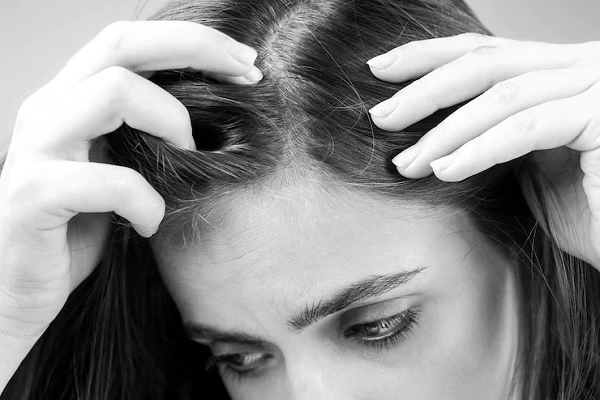
Alopecia affects many women, often causing silent struggles. Among its types, androgenetic alopecia in young women is especially distressing, as it can intensify anxiety about appearance. Unlike gradual changes, such as graying or thinning with age, hair loss at a young age can be overwhelmingly hard to accept, as seen with androgenetic alopecia.
At CapilClinic, we recognize the emotional impact of androgenetic alopecia in young women. Therefore, we offer support throughout your hair restoration journey. Our goal is to empower you by promoting healthier habits and providing expert guidance tailored to help you regain vibrant, full-bodied hair.
What is Androgenetic Alopecia in young women?
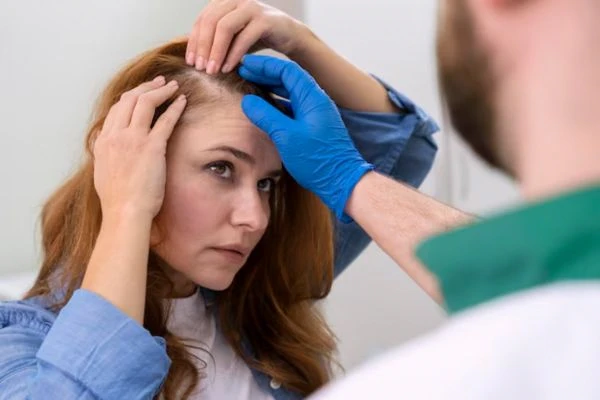
Androgenetic alopecia in young women is one of the most common causes of hair loss. Alopecia areata, cicatricial alopecia, telogen effluvium, and traumatic alopecia are some other hair loss illnesses. Alopecia can be divided into two categories. On the one hand, the disorder occurs when the follicle is healthy, but the hair development cycle is disrupted. On the other hand, some conditions occur when the follicle is impaired and cannot produce new hair.
The diagnosis is typically arrived at after carefully reviewing the patient’s medical history and performing a detailed physical examination. Executing specific laboratory tests on some patients or a punch biopsy on others may be essential.
Experts discovered that alopecia significantly negatively affects a person’s sense of self-worth, psychological and emotional well-being, and body image. Although androgenetic alopecia in young women can strike any part of the body, the most troubling symptoms appear on the scalp. Hair loss can present itself in a variety of patterns, ranging from a discrete bald spot that you can cover up with minimal effort to a more widespread thinning that is more noticeable.
Factors that contribute to androgenetic alopecia in women
Androgenetic alopecia in women can result from more than just genetics. Several underlying factors may contribute to this condition, each impacting hair health uniquely.
- Hormonal imbalances: Changes in hormones, especially elevated androgen levels, can increase hair thinning. Conditions like polycystic ovary syndrome (PCOS) often raise androgen levels, directly affecting hair loss.
- Age and menopause: Aging and menopause reduce estrogen levels, which can worsen hair thinning by shifting the balance of hormones.
- Chronic stress: High stress disrupts the hair growth cycle, causing prolonged shedding phases and increasing the risk of noticeable thinning.
- Nutritional deficiencies: Deficiencies in iron, vitamin D, and biotin weaken hair structure, often worsening the symptoms of androgenetic alopecia.
- Medications: Some medications, such as those for blood pressure, depression, or hormonal birth control, can accelerate or trigger hair thinning in susceptible women.
Let’s talk about mental health and alopecia
Androgenetic alopecia can deeply affect young women emotionally and psychologically. Many women associate their hair with femininity, beauty, and self-image, so hair loss can significantly impact their self-esteem and well-being. Experiencing thinning hair, receding hairlines or bald spots often lower self-confidence.
Many young women feel insecure about their appearance, which may lead to inadequacy or unattractiveness. This shift can influence their relationships, social interactions, and quality of life. In addition, fear of judgment or ridicule adds to the anxiety young women with androgenetic alopecia often feel.
Also, constant worry about appearance and a sense of lost control over their hair can heighten anxiety and stress. Seeking support from loved ones, counseling, or support groups helps young women handle the emotional impact of androgenetic alopecia.
Symptoms of Androgenetic Alopecia in young women
Androgenetic alopecia causes progressive hair thinning, which can greatly affect a person’s self-esteem and confidence. Recognizing its signs and symptoms is crucial for addressing the condition effectively.
Thinning hair
A primary sign of androgenetic alopecia in young women is noticeable hair thinning, particularly around the crown. This results in reduced hair density and volume.
Receding hairline
A receding hairline, often seen in both men and women, involves the gradual retreat of the hairline, resulting in a more prominent forehead. This change can create the illusion of an even larger forehead and is a source of concern for many women who value their hair as a key aspect of their appearance.
Hair loss on the crown
Women with androgenetic alopecia often experience hair loss on the crown, which may lead to a visible bald spot or thinning in that area. This can be distressing, and intervention may be needed to prevent further loss.
Increased shedding
Ladies with androgenetic alopecia may notice an increase in hair shedding, both during washing and styling. This can lead to a greater amount of hair loss than usual, as well as the presence of more hair strands on pillows, clothing, and hairbrushes.
Miniaturization of hair follicles
A characteristic feature of androgenetic alopecia is the miniaturization of the hair follicles, where the hair shaft becomes finer and shorter over time. This can lead to the appearance of thin, wispy hair that is less robust and less healthy-looking.
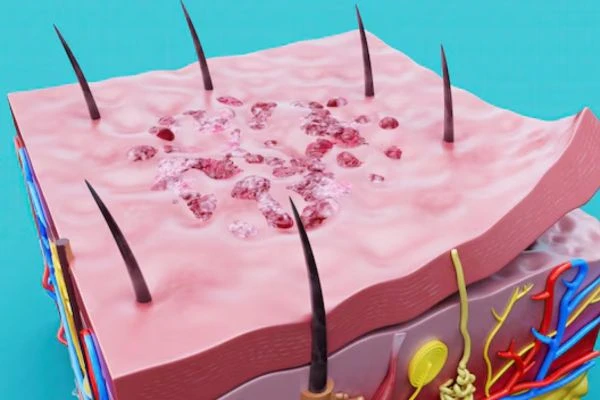
Hairline displacement and alopecia can lead to feelings of self-consciousness and embarrassment, especially in women. However, female sufferers of androgenetic alopecia can explore different styling or treatment options to manage the changes.
For young women experiencing androgenetic alopecia, several treatment options are available to address the condition and promote hair regrowth. One of the common treatments is minoxidil, a topical solution that can help stimulate hair follicles and promote hair growth.
Finasteride is another option; this oral medication blocks dihydrotestosterone (DHT), a hormone linked to hair loss. However, consulting a healthcare professional is essential before starting finasteride, especially for women of childbearing age.
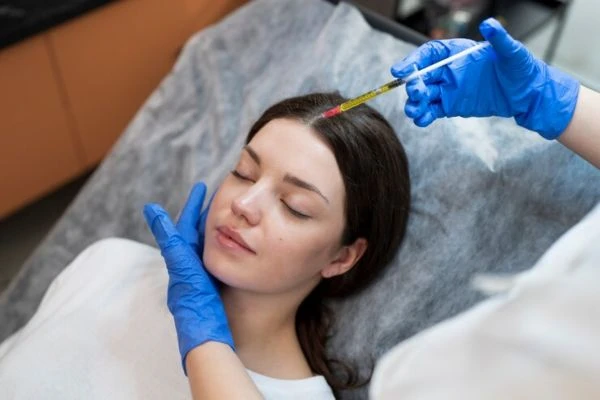
Hair transplant surgery, like the ones we offer at Capilclinic, can also be effective for young women with androgenetic alopecia. At Capilclinic, we use the advanced FUE Sapphire technique, which involves individual extraction and precise placement of follicles for natural-looking results.
REMEMBER: Consulting a hair transplant specialist or dermatologist helps in choosing the most suitable treatment based on personal needs and hair loss severity.
How to manage Androgenetic alopecia in young women?
Implementing lifestyle changes is crucial for managing androgenetic alopecia in young women. The following advice and tips can help prevent further hair loss. Remember, consistency is key to adopting these lifestyle changes for effective management.
Stress reduction
High stress levels can contribute greatly to hair loss, so adopting stress management techniques is essential. One effective method is deep breathing exercises. By focusing on your breath, inhaling deeply through the nose, and exhaling slowly through the mouth, you activate your body’s relaxation response, which reduces tension and promotes calm.
Meditation and yoga also serve as powerful stress-management tools. Meditation practices like guided imagery or mindfulness help alleviate stress and promote emotional balance. Yoga offers a holistic approach, combining physical postures, controlled breathing, and meditation. These elements reduce stress, enhance flexibility, and improve overall health.
Healthy diet
Maintaining a balanced and nutritious diet plays a significant role in promoting hair health. Focus on incorporating foods that are rich in essential nutrients. Iron is crucial for healthy hair growth, so consider including sources like leafy greens, lentils, and lean meats. Protein is another vital component, as hair is primarily made of protein (keratin).
Ensure you consume adequate amounts of high-quality proteins, such as eggs, fish, and legumes. Vitamins also have an essential impact. Vitamin D is linked to the hair growth cycle. On the other hand, B vitamins (especially biotin) support follicle health.
Physical exercise
Engaging in regular physical exercise enhances overall health and improves blood circulation, including to the scalp. This increased circulation may help deliver nutrients and oxygen to hair follicles, potentially encouraging hair growth.
To maintain a well-rounded fitness routine, aim for a combination of cardiovascular exercises, strength training, and flexibility workouts. By incorporating regular physical activity into your daily schedule, you are investing in both your physical and mental well-being, laying the groundwork for vibrant hair and overall vitality.
Hair care practices
It’s also crucial to be mindful of hair care practices. Avoid harsh hair treatments, such as bleach, chemical solid relaxers, or excessive use of heat styling tools, as these can damage the hair shaft and lead to hair loss. When styling, opt for gentle techniques and products.
For instance, use a wide-tooth comb to detangle wet hair and minimize the use of curling irons and straighteners. When exposing your hair to the sun, consider wearing a hat or using hair products with UV protection to shield it from harmful rays.
Hair-loss products
When choosing hair products, opt for shampoos and conditioners with ingredients like biotin, keratin, and natural oils. These ingredients add nourishment and hydration essential for healthy hair. Biotin improves texture and strength, while keratin helps repair damage for smoother strands.
Additionally, consider using serums and treatments that focus on scalp health, as a healthy scalp supports strong hair growth. Products with essential fatty acids and vitamins can also balance oil production and prevent dryness, keeping your hair vibrant and resilient.
Faq’s
How can I differentiate androgenetic alopecia from other types of hair loss?
Are there any effective non-surgical treatments for androgenetic alopecia in young women?
Yes, there are non-surgical treatment options available for androgenetic alopecia in young women, such as minoxidil solution and finasteride tablets. When used as directed by a healthcare provider, these medications can help promote hair growth and prevent further hair loss.
How long does it take to see results from a hair transplant?
The results of hair transplant surgery for androgenetic alopecia in young women can vary. However, visible growth typically starts to show around 6-12 months post-procedure. Full results may take up to 12-18 months as the transplanted hair follicles grow and mature.
Conclusion
Androgenetic alopecia in young women can affect both their physical appearance and emotional well-being. However, with proper treatment and lifestyle adjustments, it’s possible to manage this condition effectively. By embracing stress management, a balanced diet, regular exercise, and mindful hair care practices, young women can take positive steps toward preserving hair health. Remember, while hair is an important part of self-expression, it does not define your worth or beauty. You are beautiful just the way you are